Nut Milk: How to Make It at Home (and What to Look for in a Bought One)

Quick answer: To make nut milk, soak 100g of nuts (almonds, cashews or hazelnuts), drain and rinse them, then blend with 750ml of fresh water for about a minute and strain through a nut milk bag. Add a pinch of salt and a date or a little vanilla if you like it sweeter. It keeps for about 3 days in the fridge.
Nut milk is one of those things that sounds fiddly until you've made it once. You need nuts, water, a blender and something to strain it through, and the whole job takes about ten minutes once the nuts have soaked. The result is creamier and fresher-tasting than most cartons, and you decide exactly what goes in.
If you're going plant-based for Veganuary, or just want something nicer in your porridge, this guide covers how to make it, which nuts to use, how to flavour it and what to look for when you'd rather buy one.
Which nuts make the best nut milk?
- Almonds. The classic. Mild, slightly sweet and good in tea, coffee and cereal. Needs a long soak and straining.
- Cashews. The creamiest and easiest. They blend almost completely, so many people skip straining altogether.
- Hazelnuts. Rich and toasty. Brilliant with cacao for a chocolate milk.
- Mixes. Half almond and half cashew gives you almond flavour with a smoother texture.
How to make nut milk at home
You'll need
- 100g nuts
- 750ml cold filtered or tap water, plus extra for soaking
- A small pinch of salt
- Optional: 1–2 pitted dates or 1 tsp maple syrup, ½ tsp vanilla extract
- A blender and a nut milk bag, a fine sieve lined with muslin, or a clean thin tea towel
Method
- Soak. Cover the nuts with water and leave them in the fridge: 8–12 hours for almonds and hazelnuts, 2–4 hours for cashews and macadamias. In a hurry, pour just-boiled water over cashews and leave them for 15 minutes.
- Drain and rinse. Throw away the soaking water and rinse the nuts well.
- Blend. Add the nuts, 750ml fresh water and the salt to the blender. Blend on high for 60–90 seconds until smooth and frothy.
- Strain. Pour through the nut milk bag into a jug and squeeze gently until only fairly dry pulp is left. Cashew and macadamia milk can be used unstrained.
- Flavour and bottle. Blend in any dates, syrup or vanilla, pour into a clean glass bottle and chill.
Want a different texture? Use 1 litre of water for a lighter milk, closer to a carton, or 500ml for a rich one you can use like single cream in coffee.
Easy nut milk flavours
- Chocolate. Blend the strained milk with 1–2 tbsp raw cacao or cocoa powder, two dates and a pinch of sea salt.
- Cinnamon. Add ½ tsp ground cinnamon, a date and a drop of vanilla. Lovely warmed through on a cold morning.
- Golden. Warm the milk gently with turmeric, ginger, cinnamon and black pepper. Our golden milk guide has the full method.
Keep sweeteners modest. The NHS says adults should have no more than 30g of free sugars a day, and syrups, honey and sugar blended into drinks all count. Whole dates give sweetness without needing much else.
What to do with the leftover pulp
Don't bin it. Stir almond pulp into porridge, energy balls or banana bread, or dry it in a low oven to use like ground almonds. Use it within a couple of days, or freeze it.
How long does homemade nut milk last?
About 3 days in the fridge, in a clean, sealed bottle. Without preservatives or emulsifiers it will separate, which is normal: just shake it. If it smells sour, tastes off or turns thick and lumpy, throw it away.
Nut milk vs cows' milk: what to know
Nut milk is a great drink in its own right, but it isn't a like-for-like nutritional swap for dairy. Homemade versions are much lower in protein than cows' milk or soya drink, and they aren't fortified. That matters if nut milk replaces dairy in your diet, because cows' milk is a big source of calcium and iodine for many people in the UK.
The NHS advises choosing unsweetened, calcium-fortified dairy alternatives, and its guide to a vegan diet covers getting calcium, iodine and vitamin B12 from other foods. If you're making your own, it's worth making sure the rest of your diet covers those. The British Dietetic Association has a helpful overview, and our post on which plant milk is best compares oat, soya, almond and others.
Allergy note: tree nuts are one of the 14 major allergens. If you're making nut milk for guests or children, tell them what's in it, and keep it well away from anyone with a nut allergy.
What to look for in a bought nut milk
- Nut content. Many cartons are only 2–3% nuts. Check the ingredients list; the higher the nut percentage, the creamier it tastes.
- Added sugar. Look for "unsweetened" or check the sugars per 100ml.
- Additives. Long-life milks often contain gums, emulsifiers and added oils for texture. Fresh nut milks usually have a short ingredients list and a short shelf life.
- Fortification. If it's replacing dairy, check whether calcium, iodine and B12 are added. Fresh handmade nut milks usually aren't fortified.
Prefer it made for you?
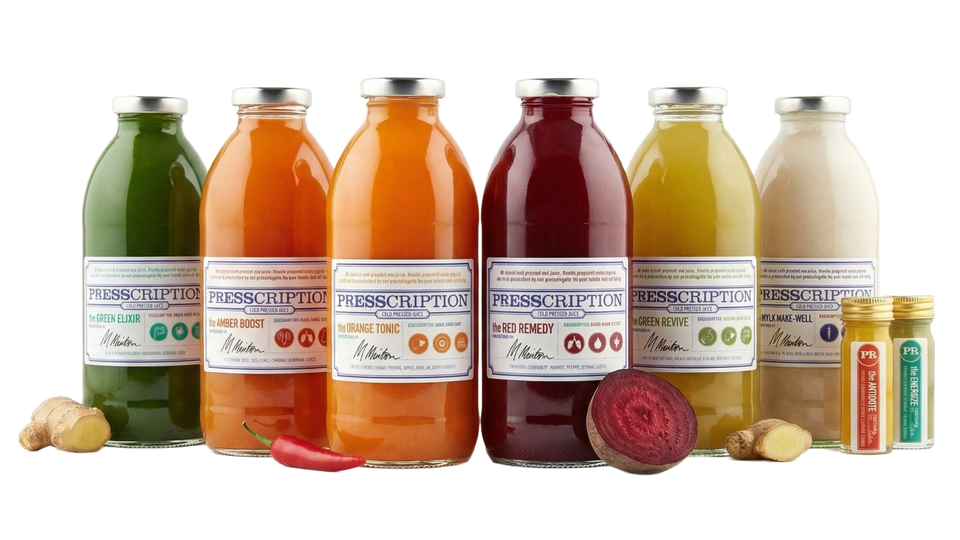
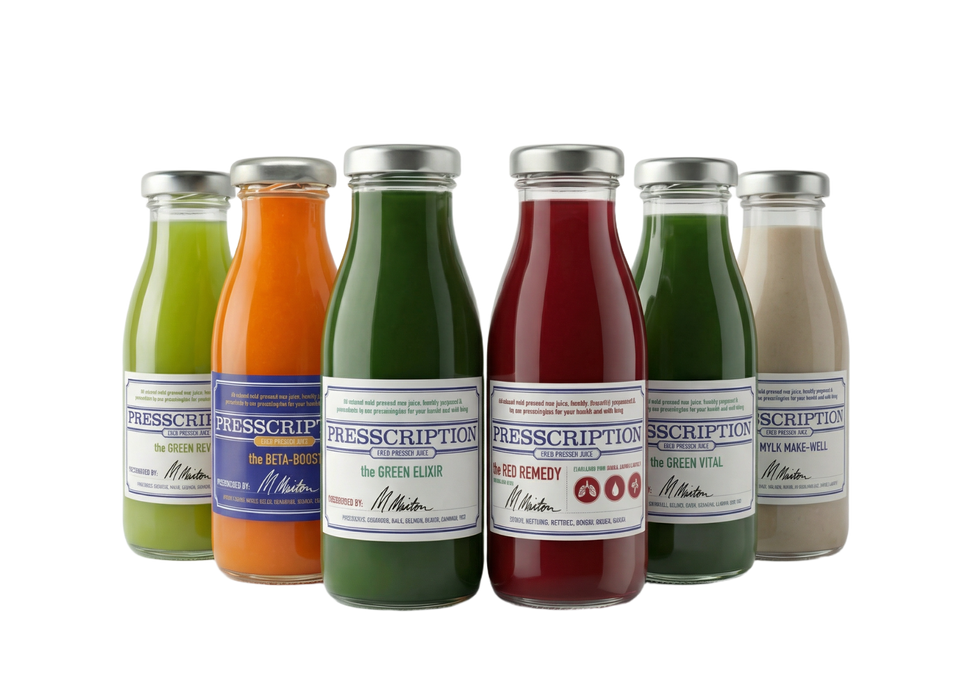
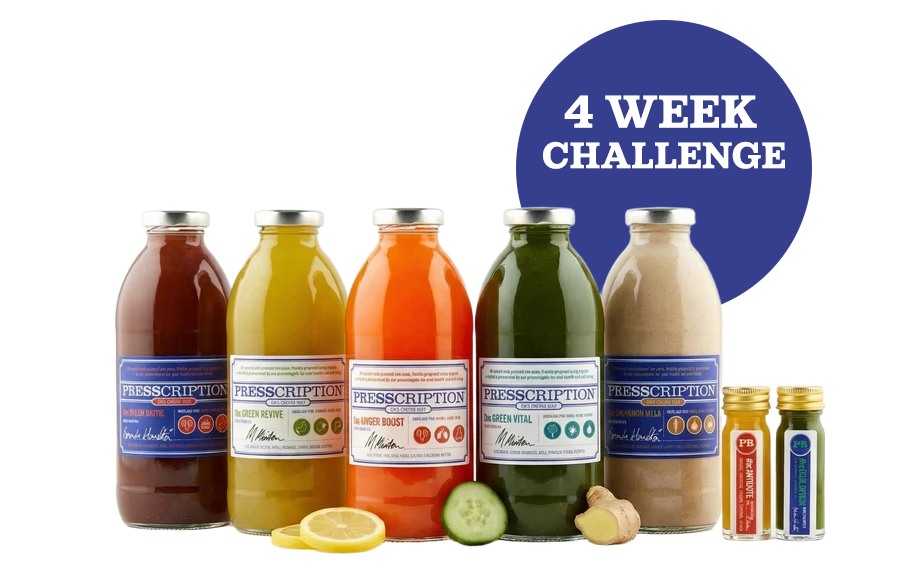
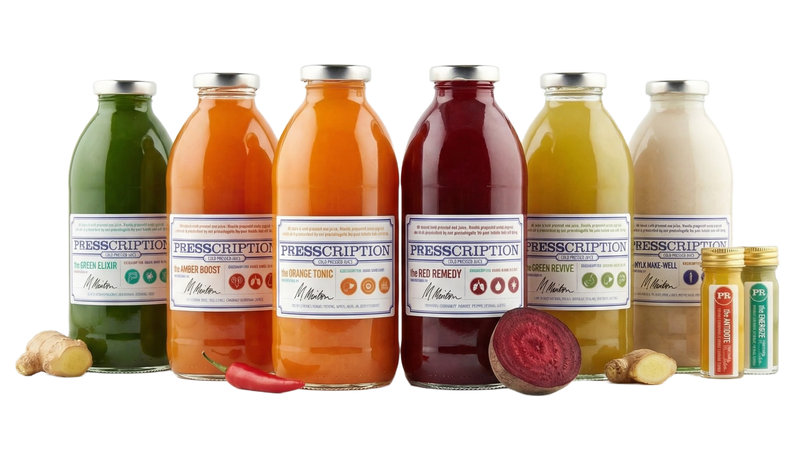
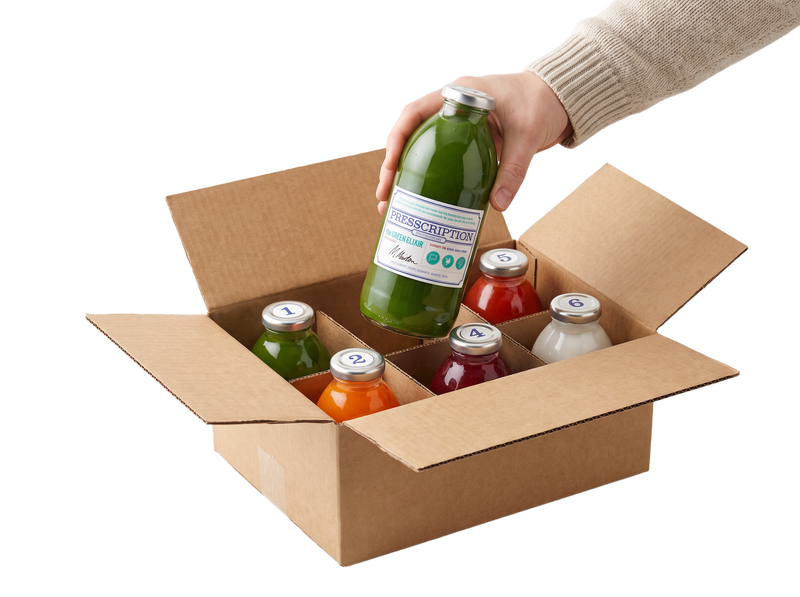
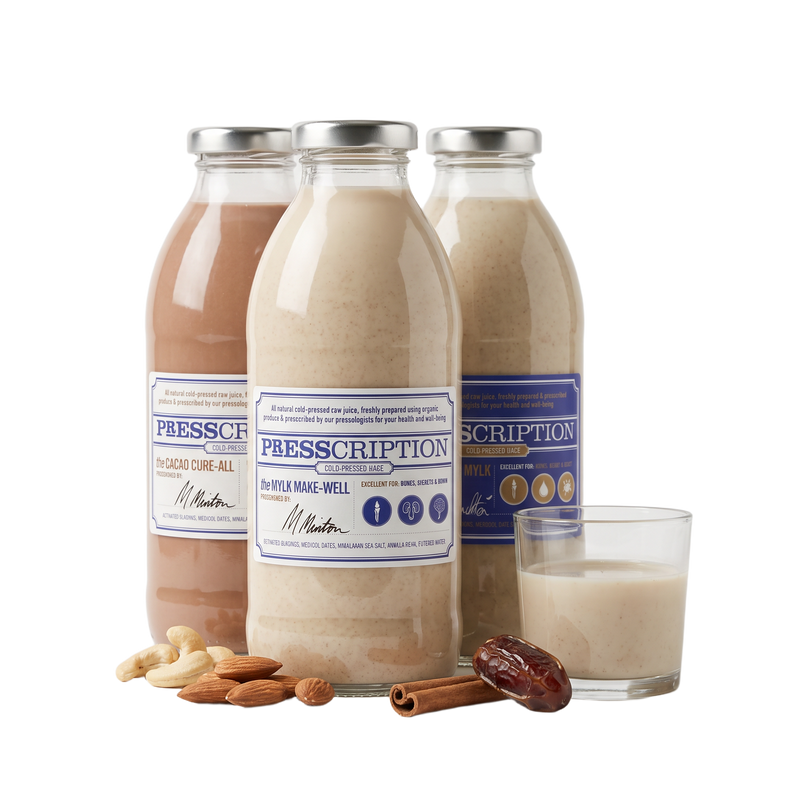
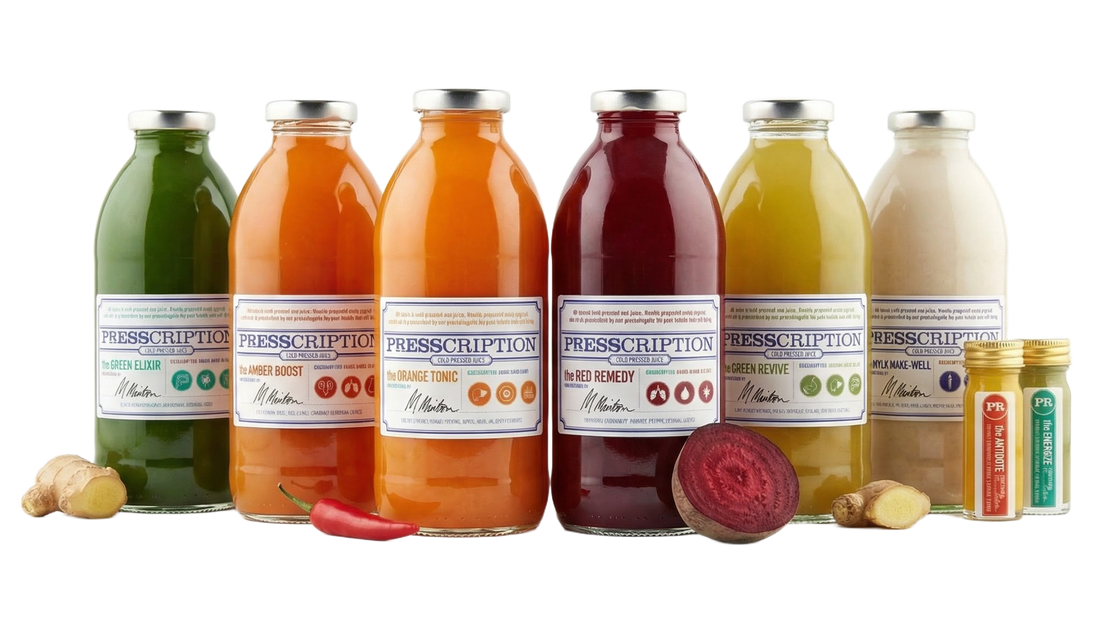
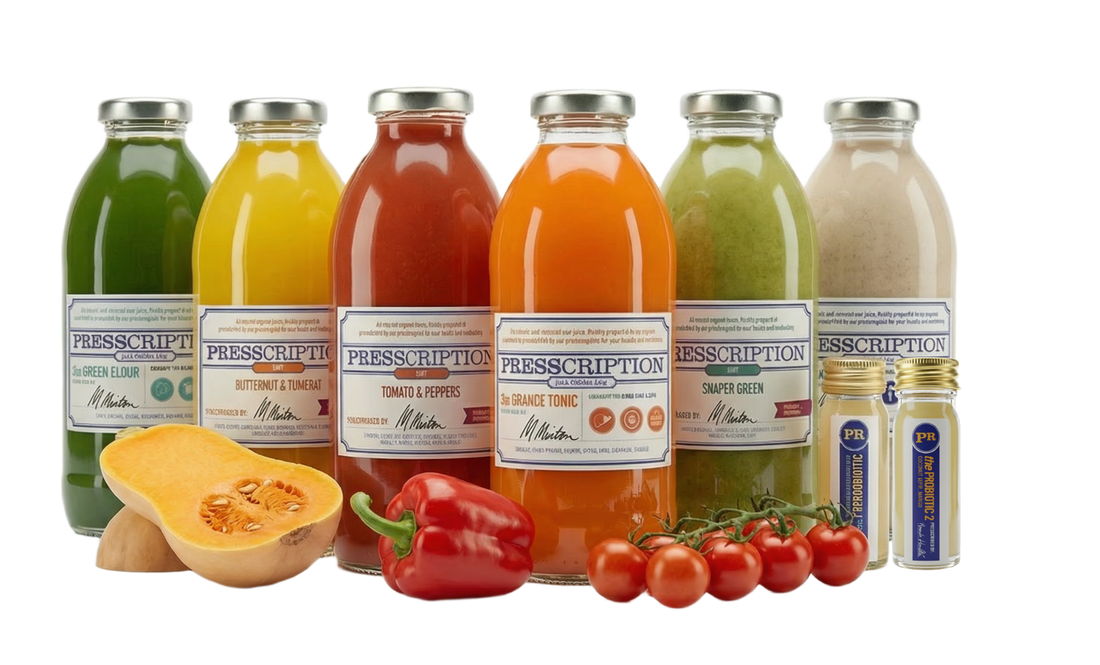
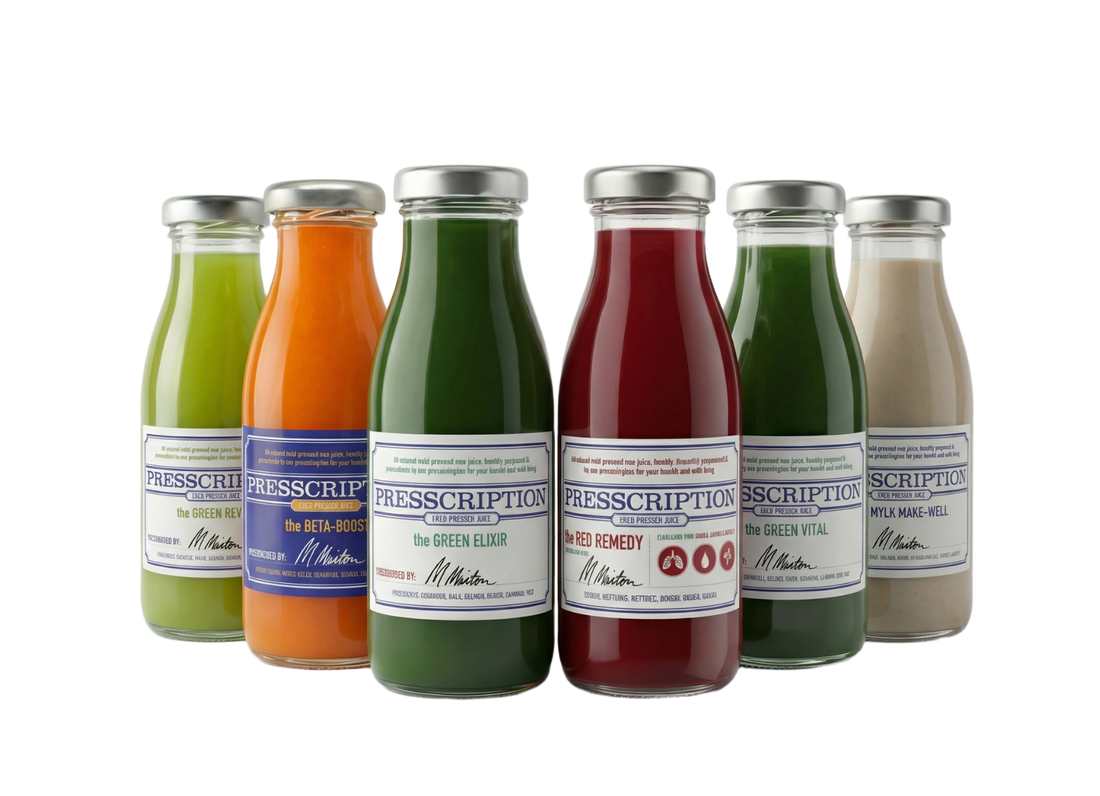
Our handmade nut mylks are made the slow way: raw almonds soaked overnight in filtered water, then pressed to a fresh, creamy milk with no preservatives. Choose plain Mylk Make-Well, the chocolate Cacao Cure with raw cacao, dates and sea salt, cinnamon or golden turmeric. They're designed by our nutritionist Grace Kingswell, made fresh to order in our London kitchen and bottled in glass, with night-before delivery in London and delivery across the UK.
Nut milk FAQs
How long does homemade nut milk last?
Keep homemade nut milk in a clean, sealed bottle in the fridge and drink it within about 3 days. It has no preservatives, so it separates as it sits; give it a good shake before pouring. If it smells sour or tastes off, throw it away.
Do you have to soak nuts to make nut milk?
Soaking isn't essential, but it softens the nuts so they blend more smoothly and give a creamier milk. Almonds and hazelnuts need about 8–12 hours in the fridge; cashews and macadamias only need 2–4 hours, or 15 minutes in hot water if you're short on time. Always discard the soaking water and rinse the nuts.
What is the best ratio of nuts to water?
Start with 100g of nuts to 750ml of water for a creamy, everyday milk. Use 1 litre of water for a lighter milk closer to shop-bought, or 500ml for something rich enough to use as a coffee creamer.
Is homemade nut milk as nutritious as cows' milk?
Not in the same way. Homemade nut milk is much lower in protein than cows' milk or soya drink and isn't fortified, so it won't give you the calcium, iodine or vitamin B12 that many shop-bought dairy alternatives add. If it replaces dairy in your diet, the NHS advises choosing unsweetened, calcium-fortified alternatives or getting those nutrients from other foods.
Can children drink nut milk?
The NHS says unsweetened, calcium-fortified plant-based drinks can be given to children from age 1 as part of a varied diet, but they aren't suitable as a main drink for babies under 12 months. Homemade nut milk isn't fortified, and nuts are a common allergen, so speak to your health visitor or GP before using it as a regular drink for a child.
Fancy skipping the soaking? Order a bottle of Mylk Make-Well or browse all our handmade nut mylks, delivered fresh in London and across the UK.