
Coconut Kefir: What It Is, How It Tastes and How to Drink It

Quick answer: Coconut kefir is a dairy-free kefir: coconut milk or coconut water fermented with live cultures, so it tastes tangy, lightly fizzy and creamy rather than sour like dairy kefir. Most people drink a small glass or a 30ml shot a day, keep it in the fridge and shake it before drinking. You can make it at home in 24–48 hours or buy it fresh.
Kefir has gone from health-food-shop curiosity to supermarket staple, and coconut kefir is the version most people reach for when they want the tang of kefir without the dairy. If you're trying Veganuary, cutting back on dairy or just curious about fermented drinks, this guide covers what coconut kefir actually is, how it differs from milk kefir, how it tastes, how much to drink and how to make your own.
What is coconut kefir?
Kefir is a fermented drink. Traditionally it's made by adding kefir "grains", small clusters of bacteria and yeasts, to milk and leaving it at room temperature for a day or so. The cultures feed on the natural sugars and turn the milk thick, tangy and slightly sparkling.
Coconut kefir uses the same idea with coconut instead of cows' milk. There are two main types:
- Coconut milk kefir. Made from coconut milk, so it's creamy and drinkable, a bit like a thin, tangy yoghurt.
- Coconut water kefir. Made from coconut water, usually with water kefir grains. It's light, clear and more like a gently fizzy soft drink.
Both are naturally dairy-free when made with a non-dairy starter, which is the main reason people choose them.
Coconut kefir vs milk kefir
- Dairy. Milk kefir is made from cows', goats' or sheep's milk. Coconut kefir contains no dairy, so it suits vegans and anyone avoiding milk.
- Taste and texture. Milk kefir is thick and distinctly sour. Coconut milk kefir is milder and creamier, with a natural sweetness from the coconut.
- Nutrition. Cows' milk kefir naturally provides protein and calcium. Coconut versions are much lower in protein and only contain meaningful calcium if they're fortified. The NHS advises choosing unsweetened, calcium-fortified dairy alternatives if they're replacing dairy in your diet, so treat coconut kefir as a drink you enjoy rather than a like-for-like swap.
What does coconut kefir taste like?
Think creamy coconut with a bright, yoghurty tang and a faint fizz on the tongue. The longer it ferments, the tangier and less sweet it gets. That's why it pairs so well with fruit: pineapple and mango soften the sharpness and make it taste almost like a tropical smoothie. If you've found dairy kefir too sour, coconut kefir is a gentler place to start.
How to drink coconut kefir
- Start small. A small glass or a 30ml shot a day is plenty to begin with. There's no official recommended amount.
- Shake it. Kefir naturally separates as it sits, so give the bottle a good shake first.
- Keep it cold. Store it in the fridge and drink it within a few days of opening. It keeps fermenting slowly, so it gets tangier over time.
- Use it in food. Pour it over granola, blend it into smoothies or use it instead of yoghurt in overnight oats or a salad dressing.
- Watch the sugar. Some bought kefirs are sweetened or blended with lots of fruit juice. The NHS says adults should have no more than 30g of free sugars a day, and sugar from juice counts, so check the label.
A sensible note: fresh kefir is unpasteurised. If you're pregnant or have a weakened immune system, check with your GP or midwife before having it. The NHS also points out that live-culture products are generally sold as foods rather than medicines, so they aren't tested in the same way, and the research on them is still developing.
How to make coconut kefir at home
The easiest home method uses a few spoonfuls of a shop-bought live coconut kefir as your starter, so you don't need to source grains.
You'll need
- 1 x 400ml tin of coconut milk (full-fat makes it creamier)
- 3 tbsp live, unflavoured coconut kefir, or a dairy-free kefir starter culture following the pack instructions
- A very clean glass jar, a clean cloth or kitchen paper and an elastic band
Method
- Mix. Pour the coconut milk into the jar, stir until smooth, then stir in the starter.
- Cover. Top with the cloth and secure it, so air can get in but nothing else can.
- Ferment. Leave it somewhere warm, out of direct sunlight, for 24–48 hours. Taste after 24: it's ready when it smells pleasantly sour and tastes tangy.
- Chill. Put a lid on and refrigerate. It will thicken as it cools. Use within about 5 days, and save 3 tbsp to start your next batch.
For a fizzier, lighter drink, ferment 1 litre of coconut water with 3–4 tbsp of water kefir grains instead, then strain out the grains. Whichever method you use, keep everything clean, and throw the batch away if you see mould or it smells unpleasant rather than fresh and sour.
Buying coconut kefir: what to look for
- Live cultures. Look for "live" on the label. Some long-life fermented drinks are heat-treated after fermentation.
- Short ingredients list. Coconut, cultures and maybe fruit. Fewer gums and flavourings is a good sign.
- Sugar per 100ml. Plain versions are low; fruit-flavoured ones vary a lot.
- Freshness. Fresh kefir has a short shelf life and needs to stay in the fridge.
Our coconut kefir shots
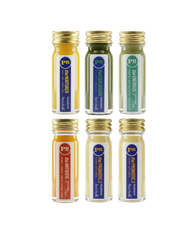
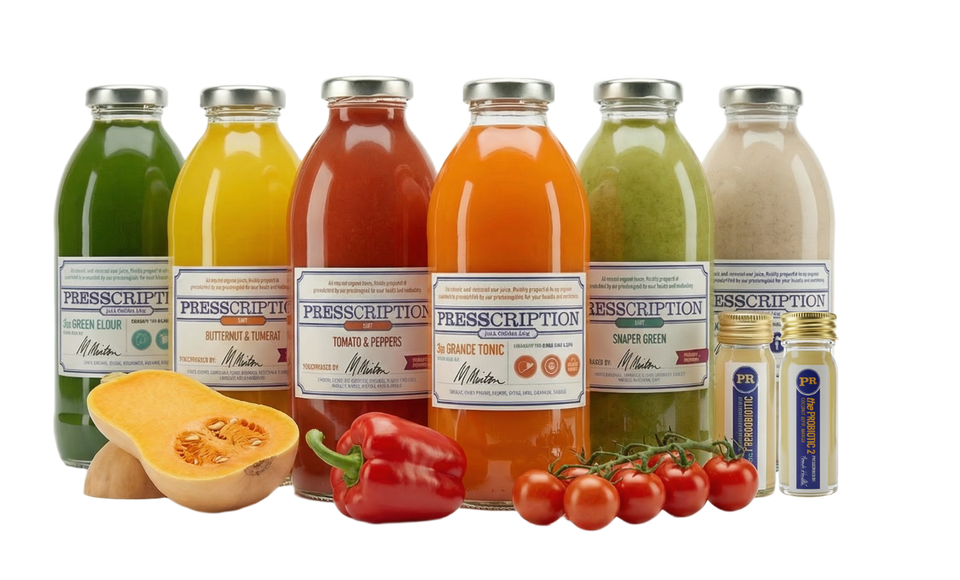
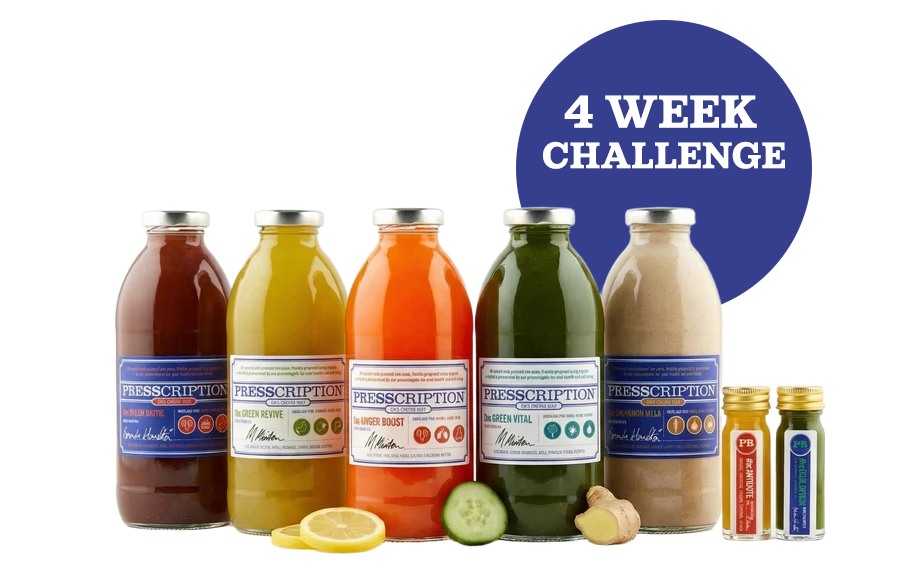
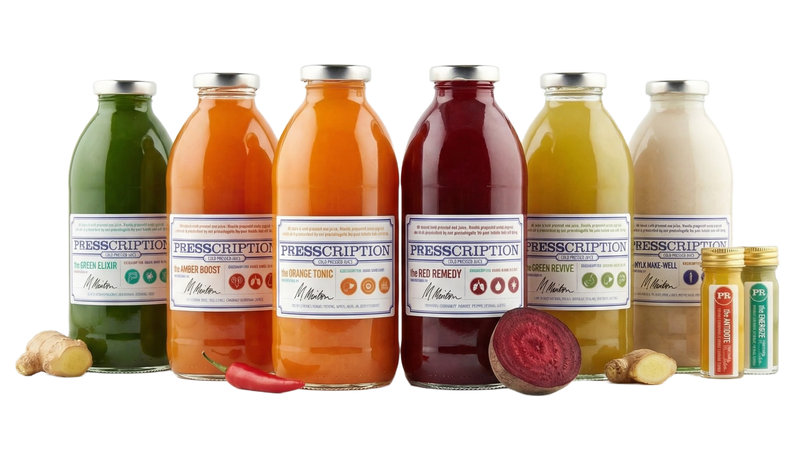
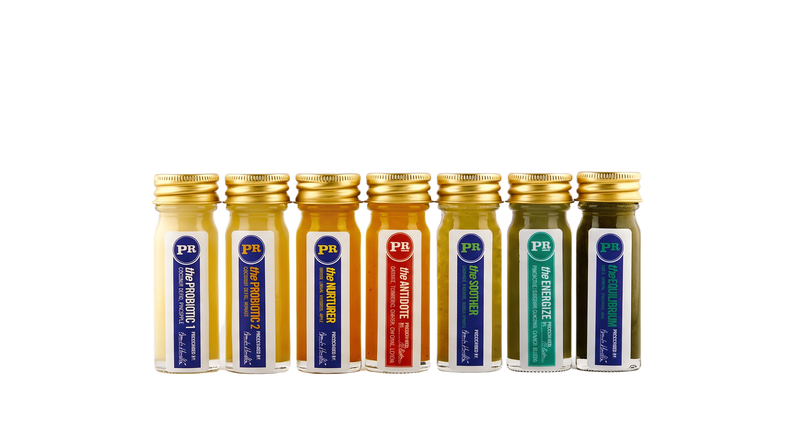
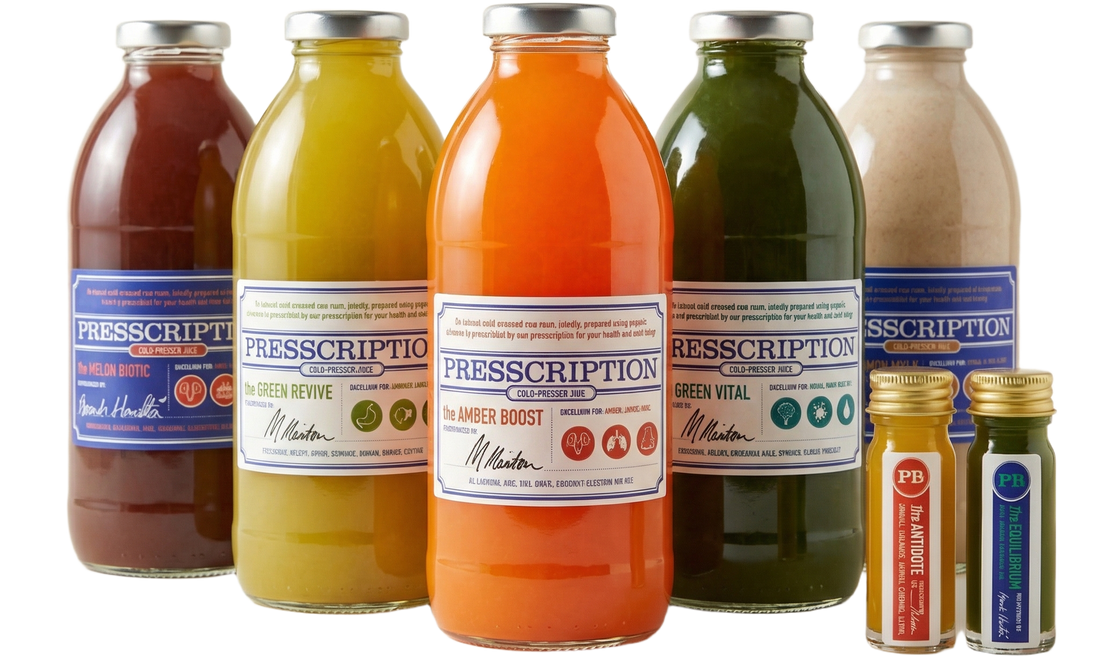
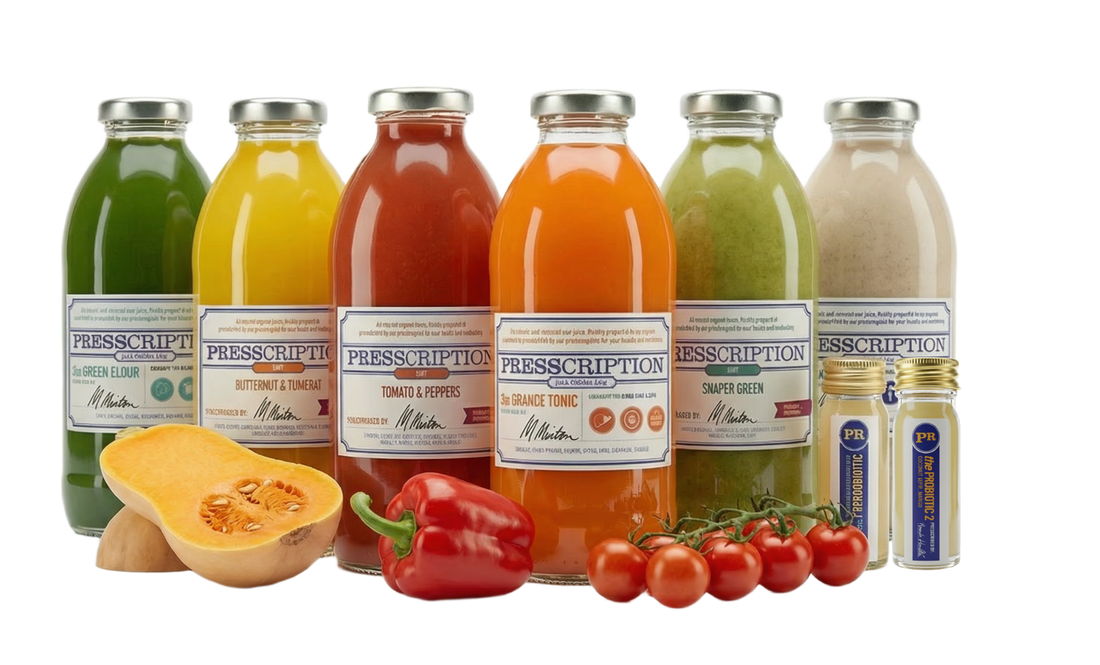
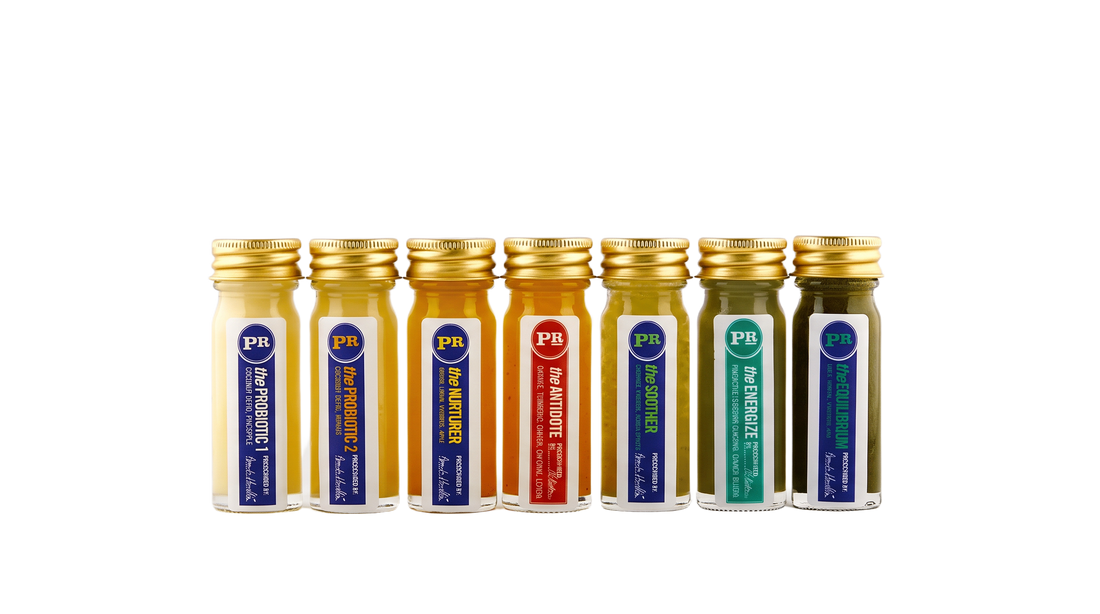
We make two coconut kefir shots, both designed by our nutritionist Grace Kingswell and made fresh to order in our London kitchen. The Probiotic 1 blends creamy coconut kefir with cold-pressed pineapple, and The Probiotic 2 pairs it with mango. Each is a 30ml glass bottle, never pasteurised, with night-before delivery in London and delivery across the UK. They also come twice a day on our juice cleanses, and in the Shot Bundle alongside our ginger and turmeric shots. Both are produced in a facility that handles nuts and celery.
For more on shots, read our guide to ginger, turmeric and kefir juice shots, or our comparison of which plant milk is best if you're going dairy-free.
Coconut kefir FAQs
What is coconut kefir?
Coconut kefir is a dairy-free kefir made by fermenting coconut milk or coconut water with live cultures instead of cows' milk. It tastes gently tangy and slightly fizzy, with a creamy coconut finish.
Is coconut kefir dairy-free?
Yes, as long as it is made from coconut milk or coconut water and a non-dairy starter. Traditional milk kefir grains are grown in dairy milk, so if you avoid dairy strictly, check the label or use a dairy-free starter culture at home.
How much coconut kefir should I drink a day?
There is no official amount. Most people start with a small glass or a 30ml shot a day and see how they get on, rather than drinking a large bottle in one go. If you are pregnant or have a weakened immune system, check with your GP or midwife before having unpasteurised, fermented drinks.
How long does coconut kefir last in the fridge?
Fresh, unpasteurised coconut kefir is best kept in the fridge and drunk within a few days; our kefir shots should be drunk within three days of delivery. It keeps fermenting slowly, so it can get tangier and fizzier over time. If it smells unpleasant or shows any mould, throw it away.
Does coconut kefir contain alcohol?
Like other fermented drinks, kefir can contain a small trace of alcohol produced during fermentation. Homemade batches left to ferment for longer usually contain more.
Want to try it without the fermenting? Order The Probiotic 1 coconut kefir shot or browse all our juice shots, made fresh and delivered in London and across the UK.