Beetroot Juice: How to Drink It, What's in It and Where to Buy It

Quick answer: Beetroot juice is pressed from raw beetroot, usually with carrot, apple, lemon, ginger or celery to soften its earthy taste. Drink a small glass (the NHS suggests no more than 150ml of juice a day in total), ideally with a meal, and keep it cold. You can make it at home with a juicer or blender, or buy it fresh: supermarkets mostly sell pasteurised bottles, while cold-pressed beetroot juice made to order is the closest to homemade.
Beetroot juice is one of those drinks people either love or find a bit much. Made well, it is sweet, earthy and deeply coloured; made badly, it tastes like soil. This guide covers what is in a glass, how to make it taste good, how much to drink, how long it keeps and where to buy beetroot juice in the UK, with input from our nutritionist, Grace Kingswell.
What is in beetroot juice?
Beetroot juice is mostly water, natural sugars from the root and the deep red pigments (betalains) that give it its colour and stain everything they touch. Beetroot naturally contains folate and potassium. Folate contributes to normal blood formation and to the reduction of tiredness and fatigue, and potassium contributes to normal muscle function. How much of each ends up in a bottle depends on the recipe and the size of the serving.
Beetroot is also naturally rich in nitrates, which is why it gets so much attention from researchers and sports writers. That research is ongoing, and none of it is an authorised health claim in the UK, so we won't make promises about blood pressure or performance. What we can say is that beetroot juice is a tasty way to add more vegetables to your week.
Like all juice, it leaves most of the fibre behind in the pulp. That is why the NHS counts juice as a maximum of one of your 5 A Day, however much you drink. Our post on blending vs juicing explains the trade-off.
How much beetroot juice should you drink?
The NHS advises keeping fruit juice, vegetable juice and smoothies to a combined total of 150ml a day, because juicing releases the natural sugars as "free sugars" (NHS: 5 A Day, what counts). For most people that means a small glass a day, preferably with food, which is also kinder to your teeth.
Things to know before you drink it
- Pink pee is normal. Beetroot can turn your urine (and sometimes your stools) pink or red for a day or so. It is harmless and called beeturia. The NHS notes that eating beetroot can turn pee red or pink, but if you see red and haven't had beetroot, speak to your GP (NHS: blood in urine).
- Oxalates. Beetroot is one of the foods high in oxalate. If you have had kidney stones and been told to limit oxalate, check with your GP before drinking it regularly (NHS: preventing kidney stones).
- Unpasteurised juice. If you are pregnant or have a weakened immune system, ask your GP or midwife whether unpasteurised juice is right for you.
How to make beetroot juice taste good
Straight beetroot juice is intense. These pairings take the edge off the earthiness:
- Beetroot, carrot and ginger: sweet, warming and the easiest place to start.
- Beetroot, cucumber, celery and lemon: lighter, fresher and all vegetable.
- Beetroot and apple: softer and sweeter; use a sharp green apple and keep it the minority.
- Beetroot and cherry: rich and almost jammy, like a grown-up squash.
How to make beetroot juice at home
This makes roughly one 250ml glass, enough for two small servings.
Ingredients
- 2 medium raw beetroot (about 250g), scrubbed and topped
- 2 carrots
- ½ cucumber
- A 2cm piece of fresh ginger
- ½ lemon, peeled
With a juicer
- Scrub the beetroot well; there is no need to peel young beetroot.
- Cut everything into pieces that fit your juicer and feed the ginger between the harder vegetables.
- Stir, taste and add more lemon if it is too earthy. Drink straight away or chill.
With a blender
- Chop everything small and blend with about 150ml cold water until completely smooth.
- Strain through a nut milk bag or fine sieve, squeezing out as much liquid as you can.
- Chill and drink the same day.
Raw beetroot gives a fresher, brighter juice than cooked. Avoid pickled beetroot.
How long does beetroot juice last?
- Homemade: keep it in a sealed glass bottle filled to the top, in the fridge, and drink it within 24 hours. Shake before drinking as it separates.
- Fresh cold-pressed: because it is never pasteurised, ours keeps for about three days in the fridge. Once opened, finish it the same day.
- Supermarket bottles: most are pasteurised or high pressure processed (HPP) for a long shelf life; follow the label once opened.
- Freezing: homemade beetroot juice freezes well in ice-cube trays for a few months. Thawed cubes are best used in smoothies or soups.
Where to buy beetroot juice in the UK
You have three main options:
- Supermarkets and health food shops sell bottled beetroot juice, usually pasteurised, sometimes from concentrate or blended with apple. Check the ingredients list: they are listed from most to least.
- Juice bars will press one fresh, which is great if one is near you.
- Cold-pressed delivery is the closest you can get to homemade without the cleaning up.
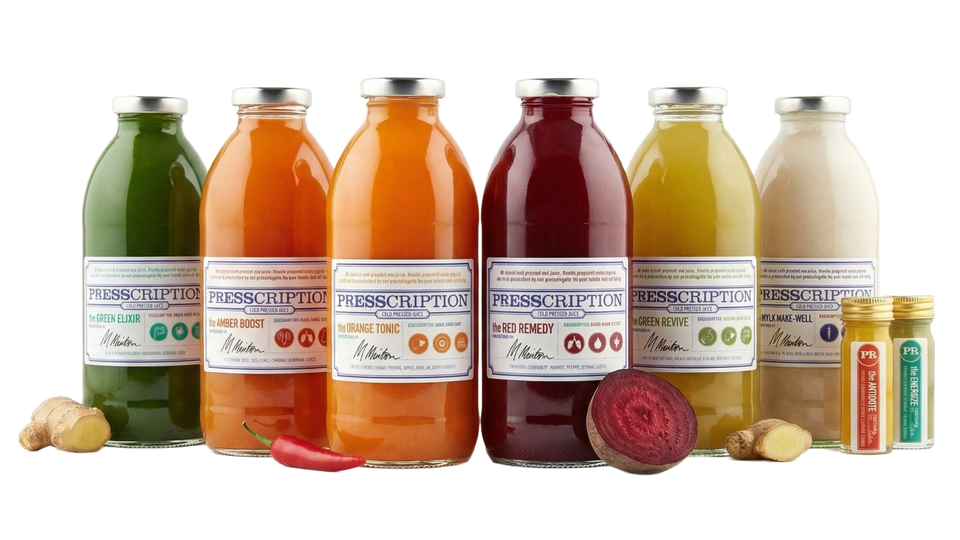
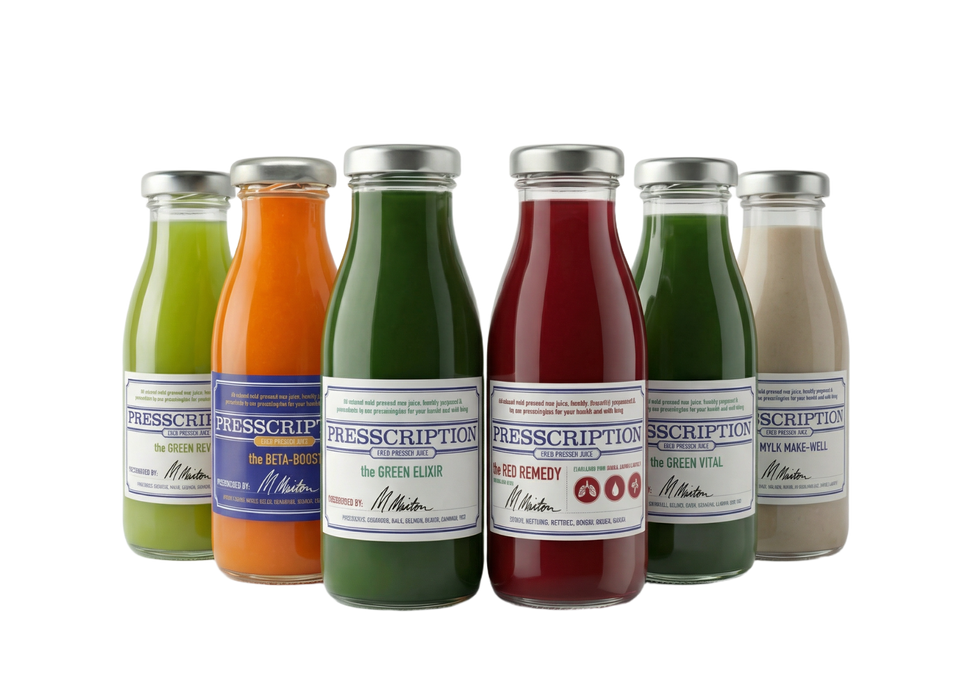
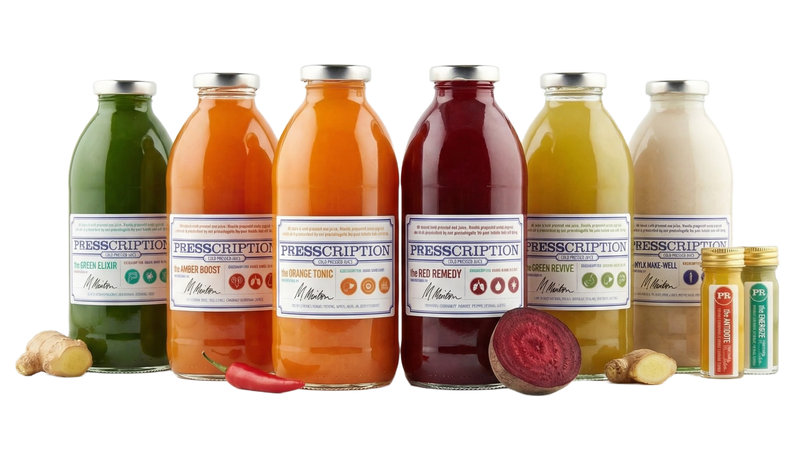
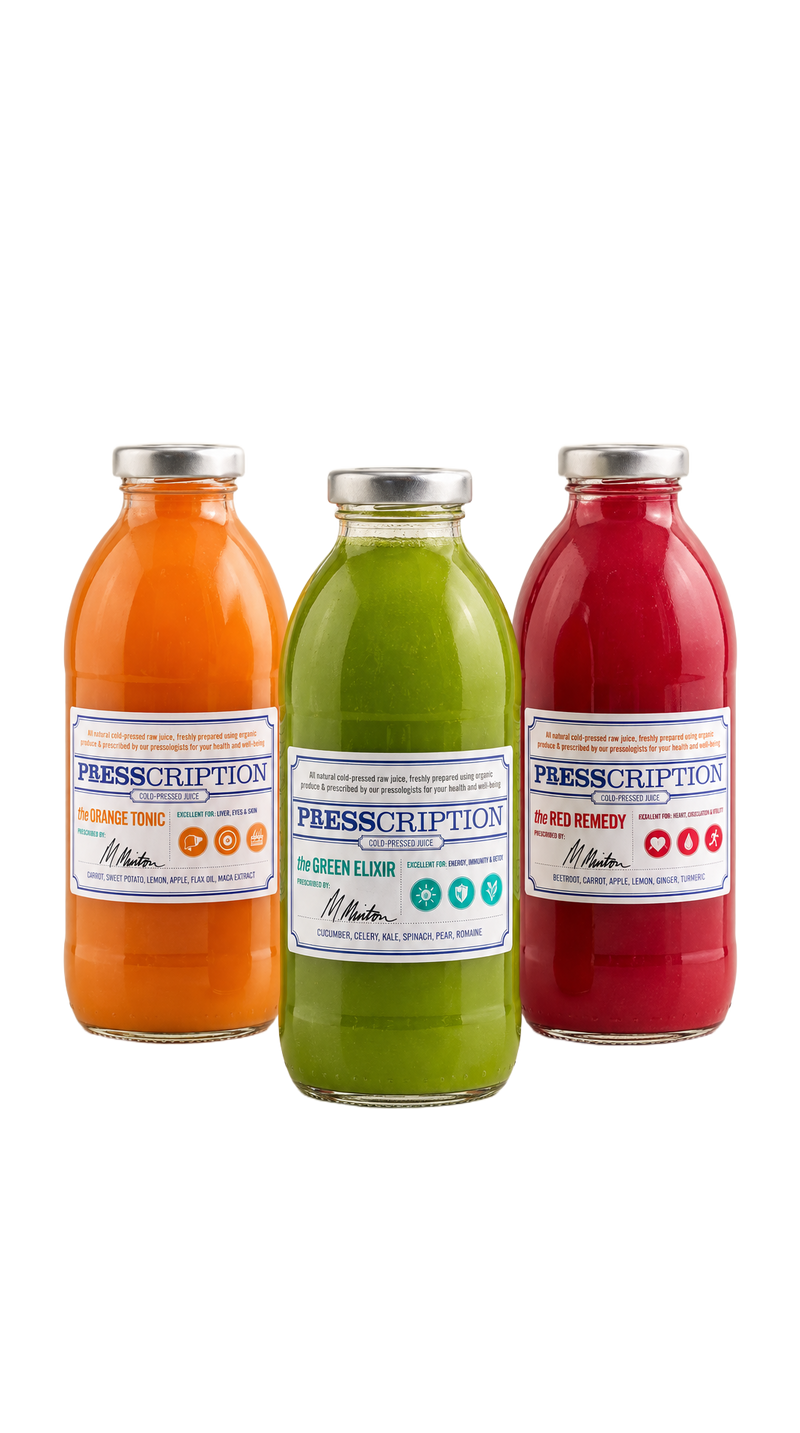
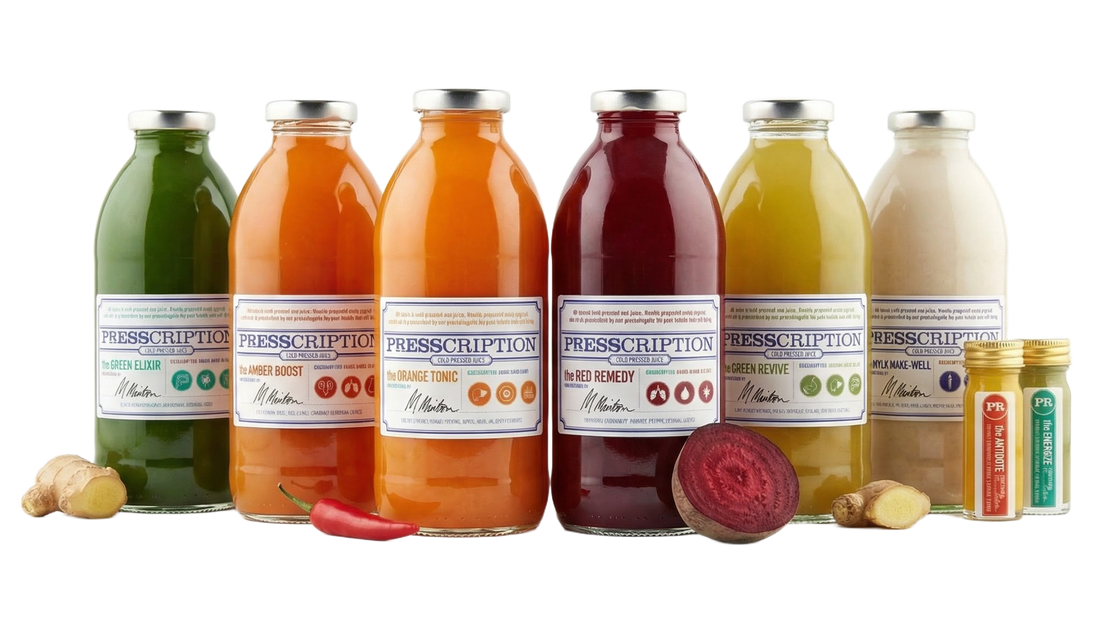
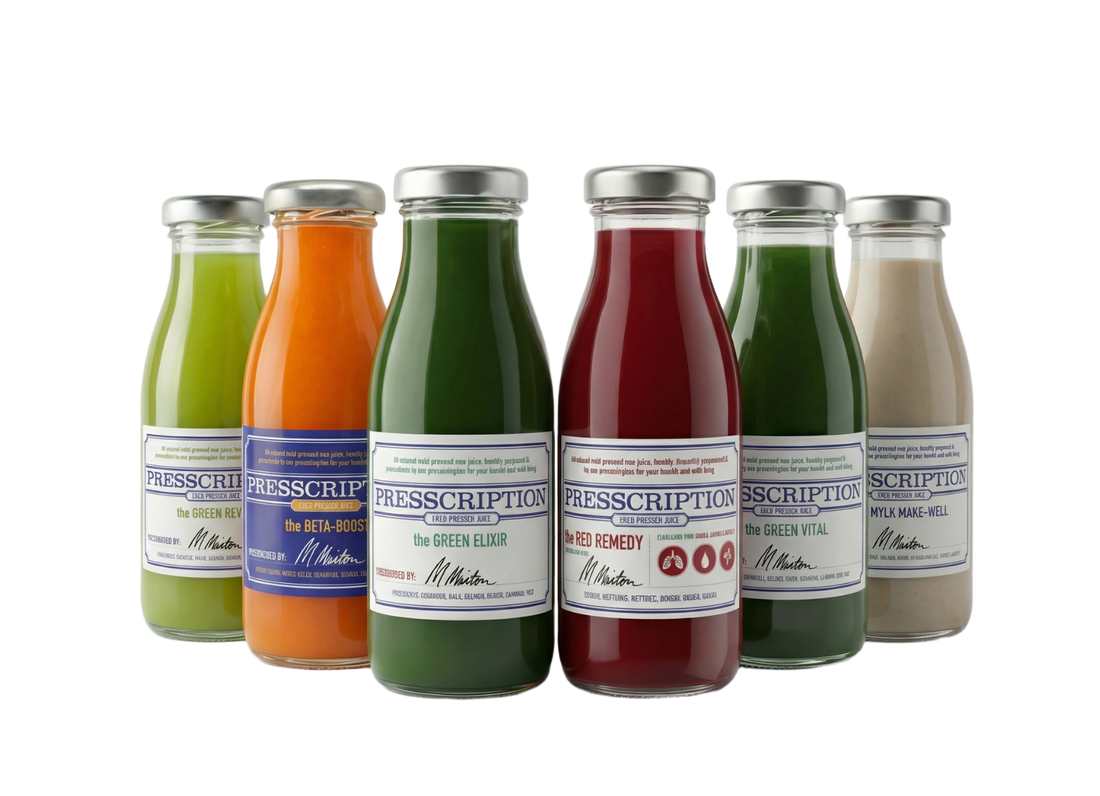
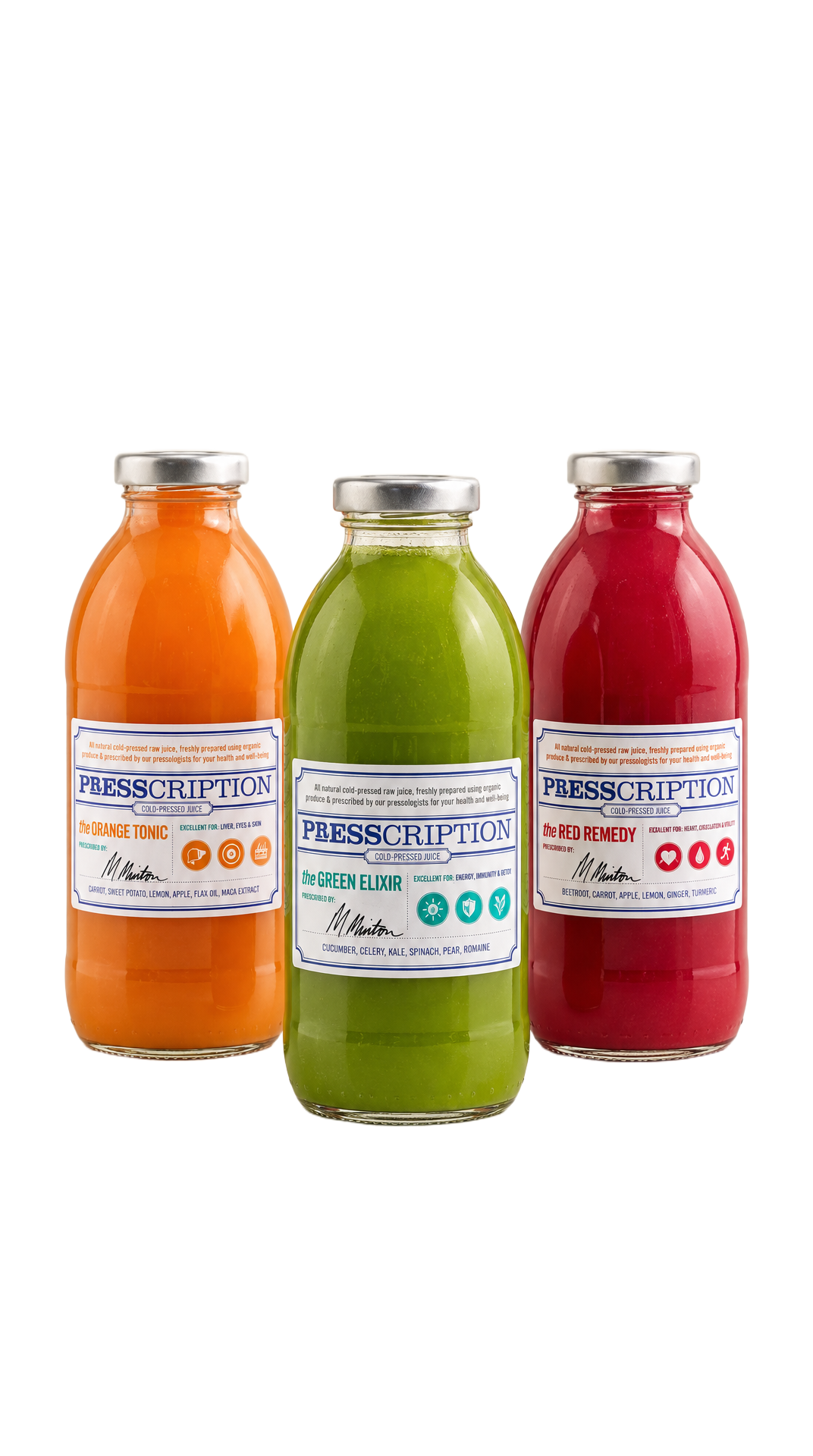
Our Red Remedy is cold-pressed from beetroot, cucumber, carrot, celery, lemon and ginger, with no added water, sugar or concentrate: all vegetable apart from a squeeze of lemon. It comes in 250ml (£4.95) and 500ml (£8.95) glass bottles. If you prefer something sweeter, The Red Revive blends beetroot with cherry.
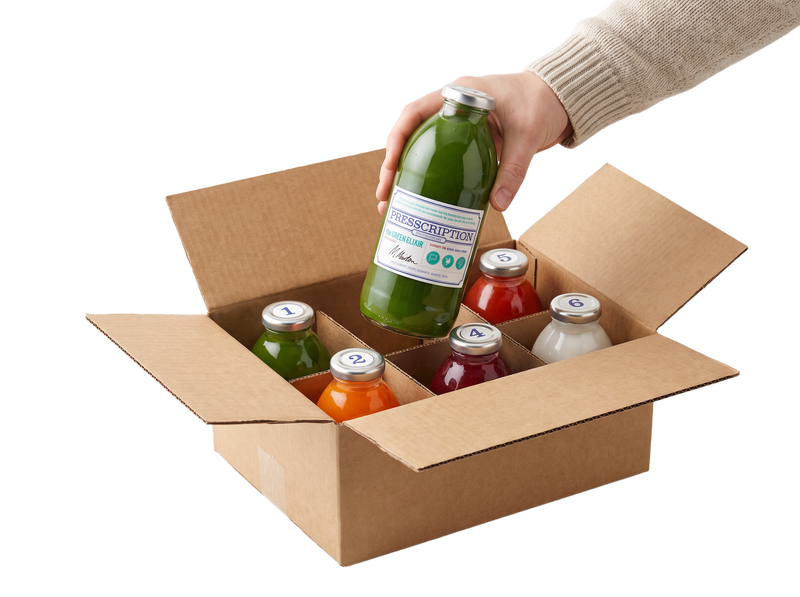
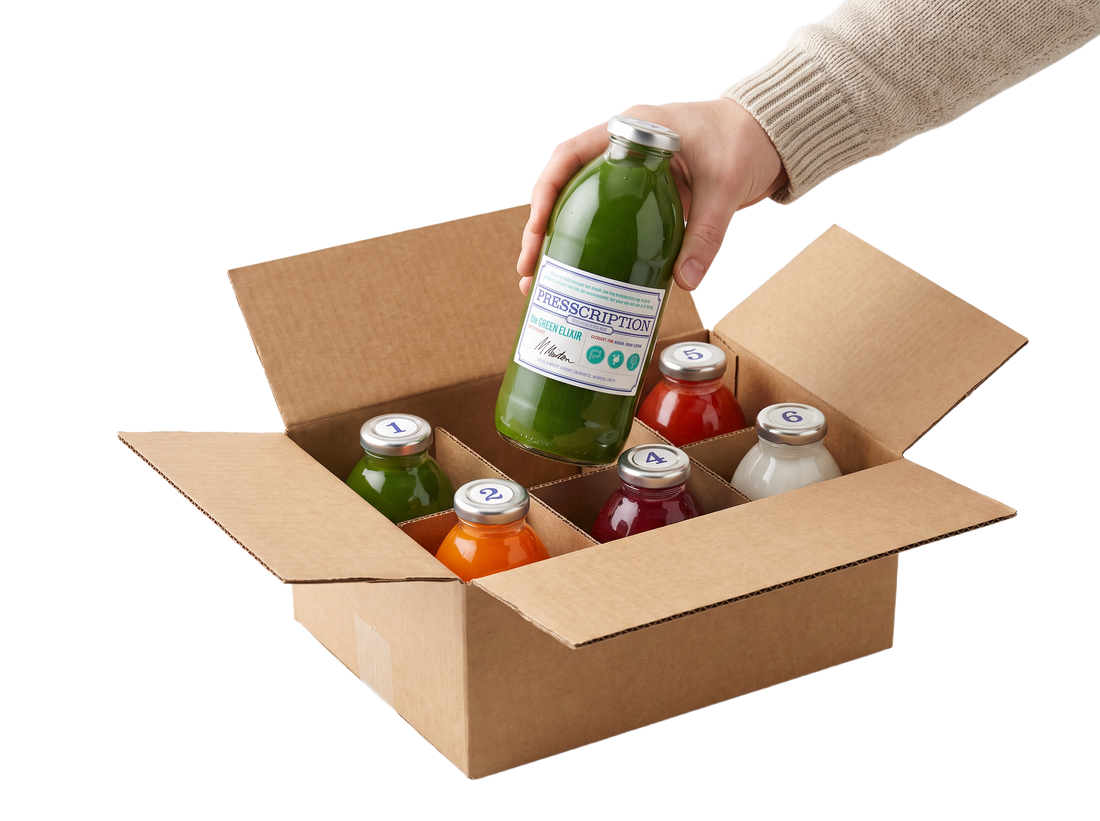
Every bottle is made fresh to order daily in London, never pasteurised, and bottled in glass. Our recipes are designed by our nutritionist and run at about 80% veg to fruit. London orders arrive the night before your chosen day, and we deliver across the rest of the UK too; our guide to how juice delivery works has the details. You can mix beetroot juice with the rest of our cold-pressed juices in one box, and if you like root-veg juices, our carrot juice guide is a good next read.
Beetroot juice FAQs
Is it OK to drink beetroot juice every day?
Yes, for most people, as part of a balanced diet. Keep juice and smoothies to around 150ml a day in total, as the NHS suggests, and keep eating whole vegetables for their fibre. If you have had kidney stones or take regular medication, check with your GP first.
What does beetroot juice taste like?
Sweet and earthy. Carrot, ginger, lemon and cucumber all balance it; a squeeze of lemon is the quickest way to stop it tasting of soil.
Why has beetroot juice turned my pee pink?
The red pigments in beetroot can pass through and colour urine pink or red for a day or so. It is harmless. If your pee is red and you haven't had beetroot, speak to your GP.
Where can I buy fresh beetroot juice?
Juice bars and cold-pressed delivery services sell it fresh. Supermarket beetroot juice is usually pasteurised for a long shelf life. Presscription presses The Red Remedy to order in London and delivers across London and the UK.
How long does fresh beetroot juice last in the fridge?
Homemade juice is best within 24 hours. Fresh, unpasteurised cold-pressed juice keeps for about three days in the fridge; once opened, finish it the same day.
Want beetroot juice without the purple kitchen? Try The Red Remedy: beetroot, carrot, cucumber, celery, lemon and ginger, cold-pressed fresh to order and delivered across London and the UK.