Carrot Juice: How to Drink It, What's in It and How to Make It

Quick answer: Carrot juice is pressed from raw carrots, often with ginger, apple, orange or lemon. Carrots are one of the richest sources of beta-carotene, which the body turns into vitamin A, and vitamin A contributes to the maintenance of normal vision and normal skin. Drink it fresh, keep it cold, and stick to around 150ml a day as part of a balanced diet.
Carrot juice is one of the most searched juices in the UK: it is naturally sweet, pairs with almost anything and is easy to make at home. This guide covers what is actually in a glass, the combinations that work best, a simple recipe, how long it keeps and how much to drink, written with our nutritionist.
What is in a glass of carrot juice?
The headline nutrient is beta-carotene, the orange pigment that gives carrots their colour. Your body converts beta-carotene into vitamin A, and the NHS lists yellow, red and leafy green vegetables such as carrots, spinach, sweet potatoes and red peppers among the main food sources of beta-carotene (NHS: vitamin A).
Vitamin A contributes to the maintenance of normal vision and normal skin. That is the honest, officially recognised version of the "carrots help you see in the dark" story: they won't give you night vision, but they are a genuinely good source of a vitamin your eyes and skin need.
Carrot juice also contains potassium and a little vitamin C, and its natural sweetness comes from the sugars in the carrots themselves. What it doesn't keep is most of the fibre. Pressing separates the juice from the pulp, which is why juice is a complement to whole vegetables, not a replacement for them.
One useful detail: beta-carotene is fat-soluble, so it is better absorbed alongside a little fat. Having your carrot juice with a meal that includes nuts, seeds, avocado or olive oil is a simple way to make the most of it.
How much carrot juice should you drink?
The NHS advises that fruit juice, vegetable juice and smoothies count as a maximum of one of your 5 A Day, and that you limit them to a combined 150ml a day, because juicing releases the natural sugars into "free sugars" (NHS: 5 A Day, what counts).
In practice that means a small glass a day, ideally with food. A 250ml bottle can be split across two days or shared. Carrot-based juices that are mostly vegetable, with ginger, lemon or greens rather than lots of apple or orange, keep the sugar lower than a fruit-led juice.
If you drink a lot of carrot juice every day for weeks, your skin can take on a slight orange tinge (called carotenaemia). It is harmless and fades when you cut back, but it is a good sign that a smaller daily glass is plenty.
The best carrot juice combinations
Straight carrot juice is pleasant but one-note. These pairings are the ones we come back to:
- Carrot and ginger: the classic. Ginger cuts through the sweetness with warmth. Add a squeeze of lemon to brighten it.
- Carrot, ginger and turmeric: earthy, warming and ideal in winter. A pinch of black pepper is traditional with turmeric.
- Carrot and orange: sweet and familiar, good for anyone new to vegetable juice. Keep the orange to a minority so it doesn't become a fruit juice.
- Carrot and apple: softer and rounder; use a sharp green apple.
- Carrot, beetroot and celery: deep red, savoury and less sweet. Cucumber and lemon lighten it.
- Carrot and sweet potato: a richer, almost creamy juice that tastes like autumn in a bottle.
How to make carrot juice at home
This makes roughly one 250ml glass, depending on how juicy your carrots are.
Ingredients
- 5 medium carrots (about 400g), scrubbed and topped
- 1 small green apple
- A 2cm piece of fresh ginger
- ½ lemon, peeled
With a juicer
- Wash everything well; scrubbed carrots don't need peeling.
- Cut into pieces that fit your juicer's chute and juice the ginger between the carrots so none of it is wasted.
- Stir, taste and add more lemon if it is too sweet. Drink straight away or chill.
With a blender
- Chop everything small and blend with about 150ml cold water until completely smooth.
- Strain through a nut milk bag or fine sieve, squeezing out as much liquid as you can.
- Chill and drink the same day.
Homemade vs cold-pressed carrot juice
Homemade is great when you have the time and the kit; the trade-offs are the cleaning and that it is best drunk within a day.
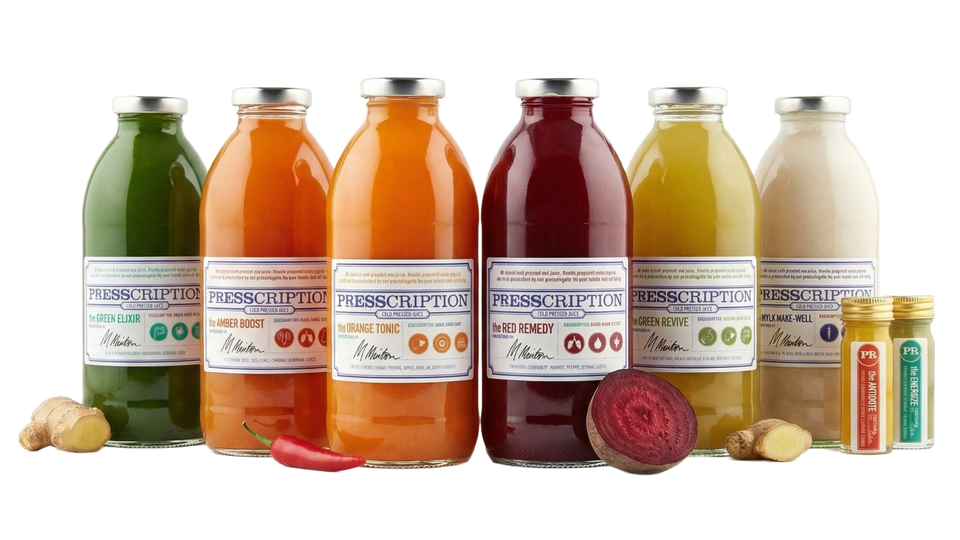
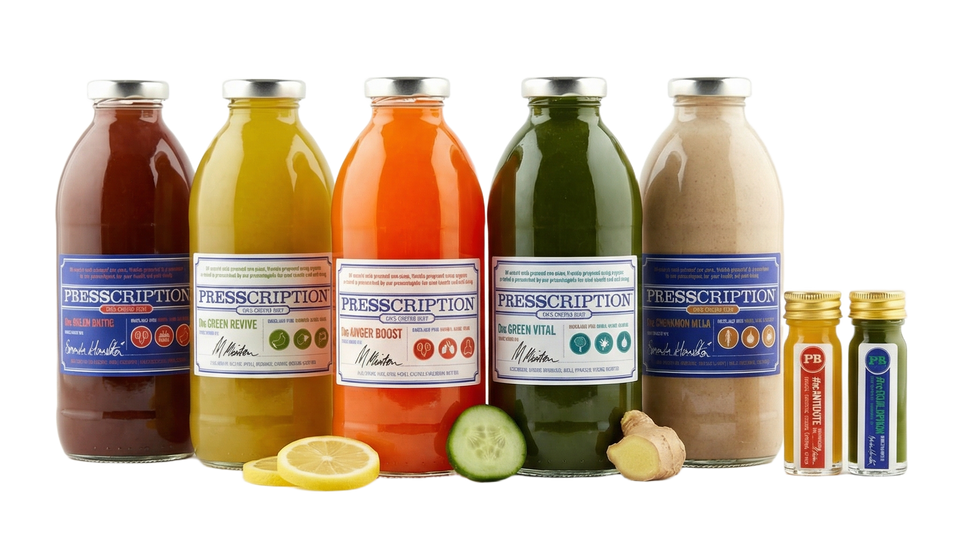
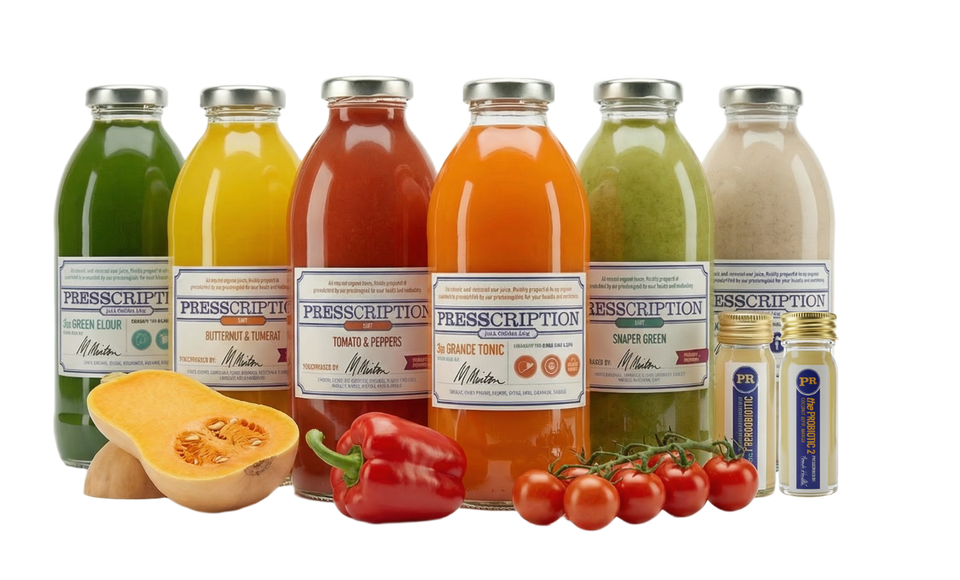
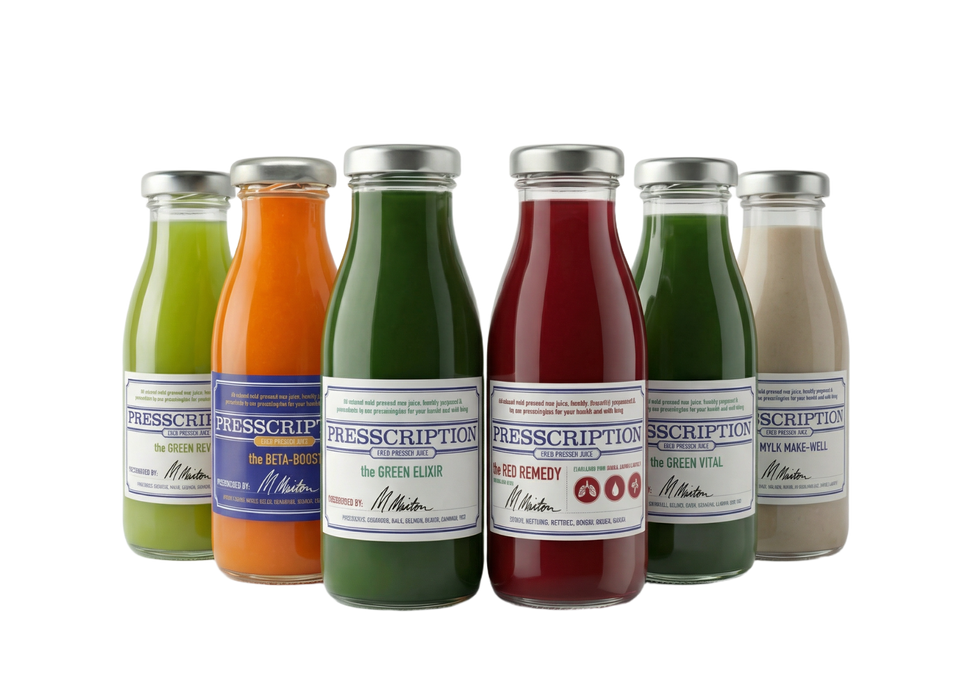
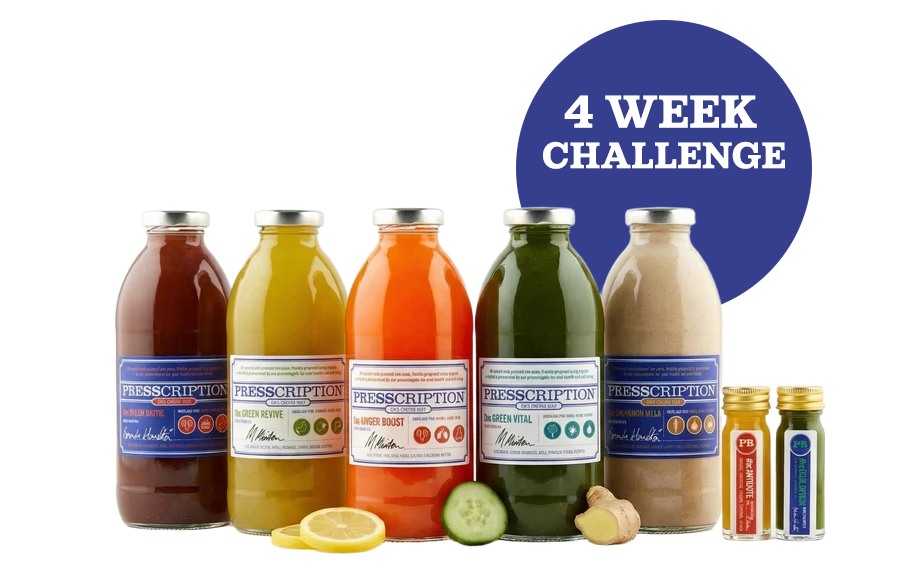
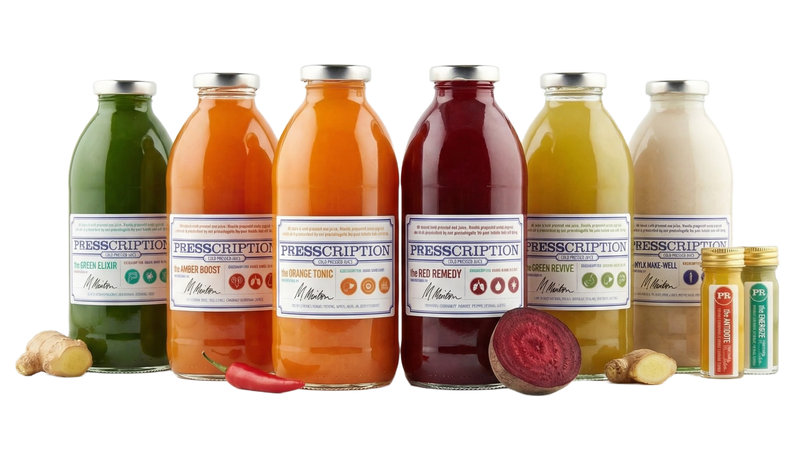
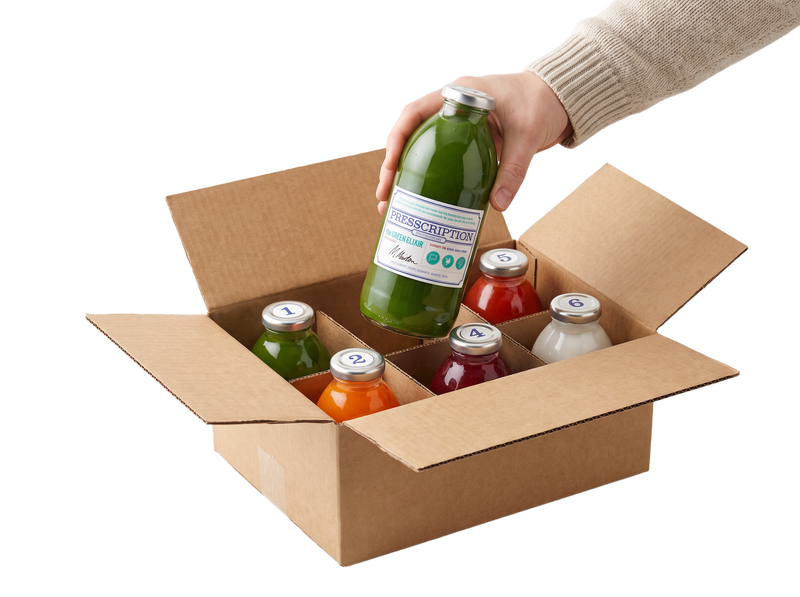
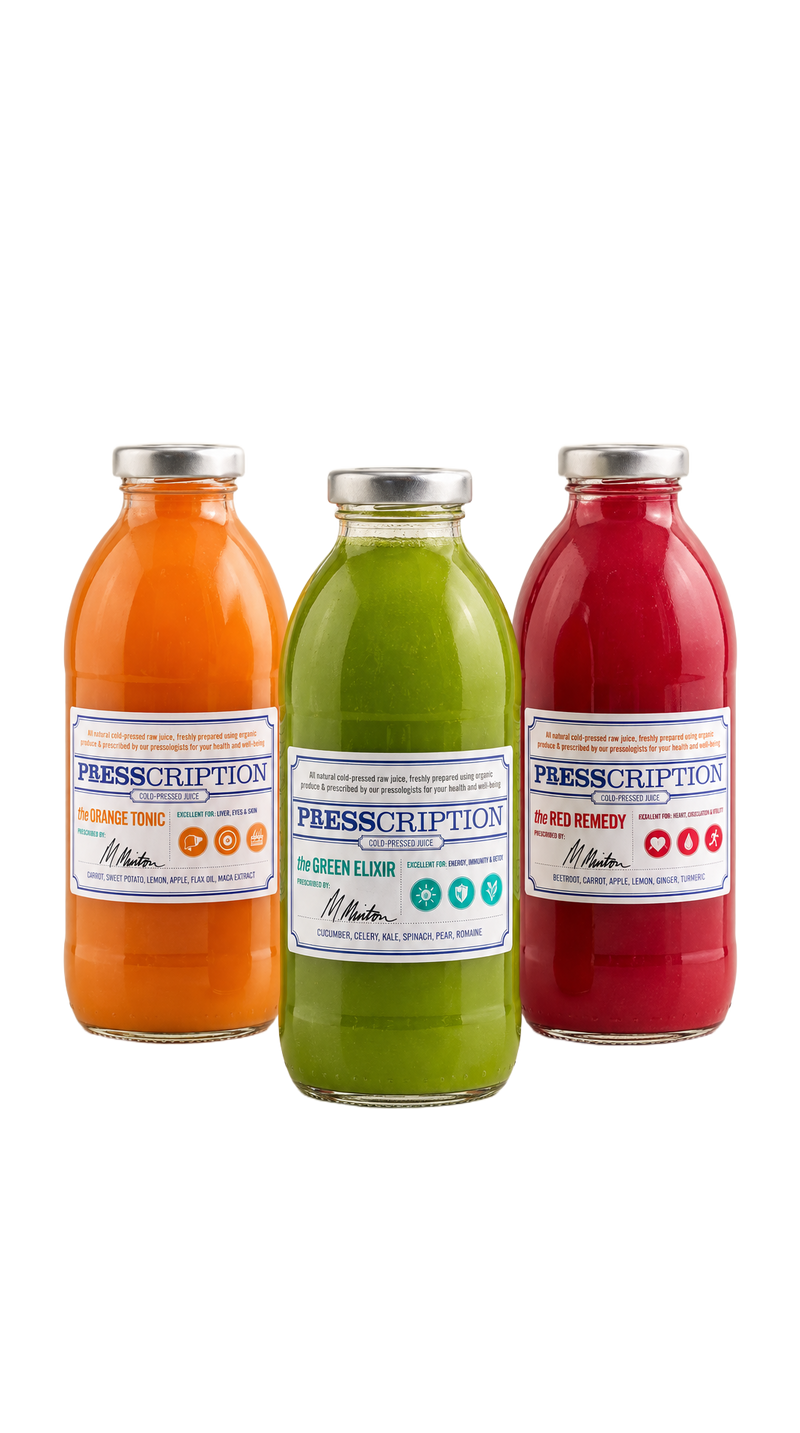
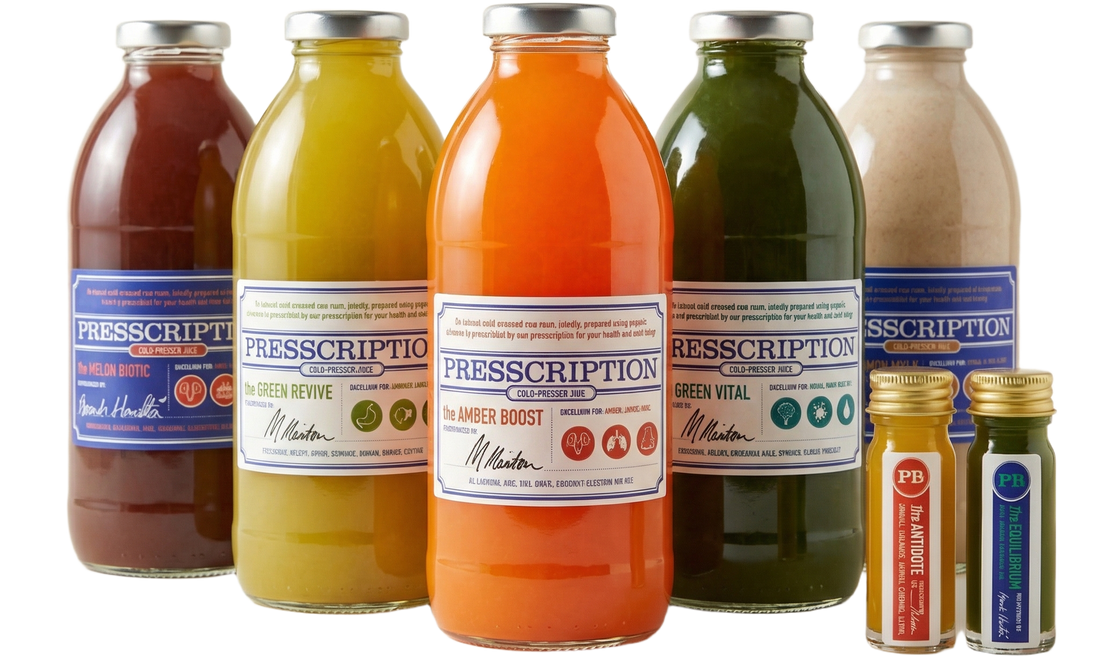
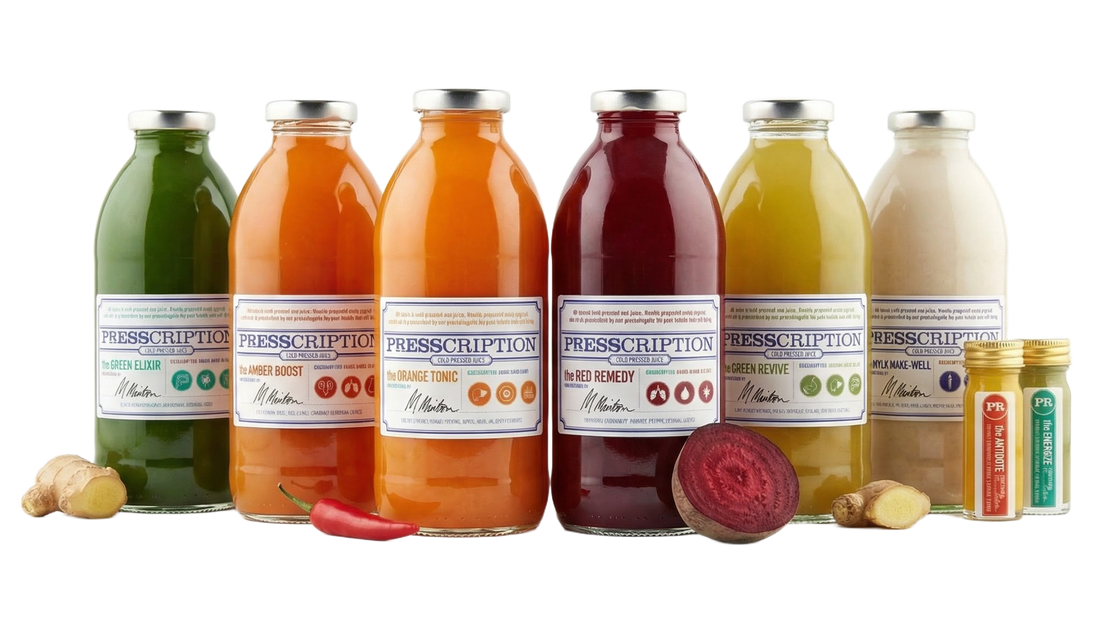
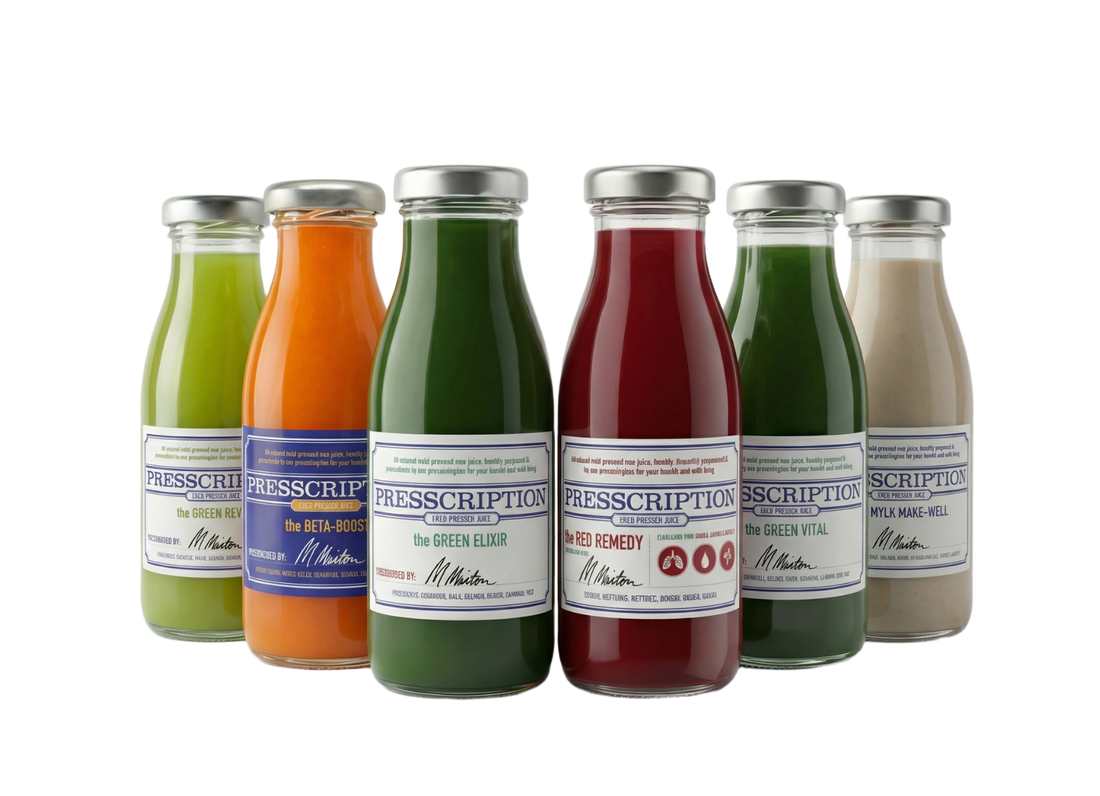
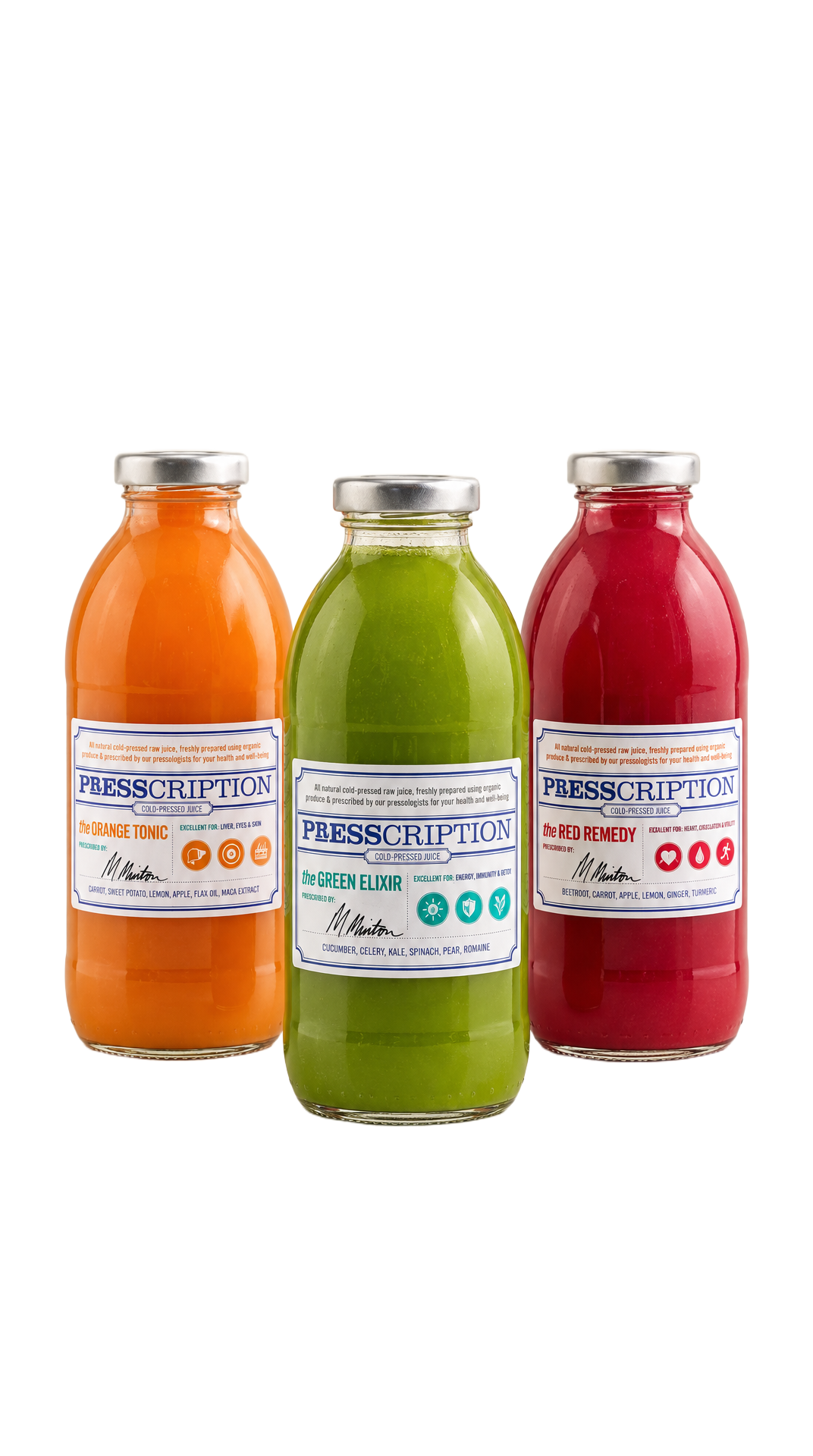
Cold-pressed juice is made with a hydraulic press that squeezes the juice out under pressure rather than shredding it with a fast-spinning blade. Ours is made fresh to order daily in London, never pasteurised, and bottled in glass, so the juice in your fridge was pressed for your delivery. Our recipes are about 80% veg to fruit and designed by nutritionist Amanda Hamilton. We have three carrot-based juices:
- The Beta Boost: our upgraded carrot juice, with turmeric, ginger and a vegan omega 3 and 6 oil blend (which also gives the beta-carotene a little fat to travel with). 250ml £5.95, 500ml £9.95.
- The Orange Tonic: carrot, sweet potato and apple. Sweet, smooth and a good first carrot juice. 250ml £4.95, 500ml £8.95.
- The Red Remedy: beetroot, cucumber, carrot, celery, lemon and ginger. All vegetable, with a kick. 250ml £4.95, 500ml £8.95.
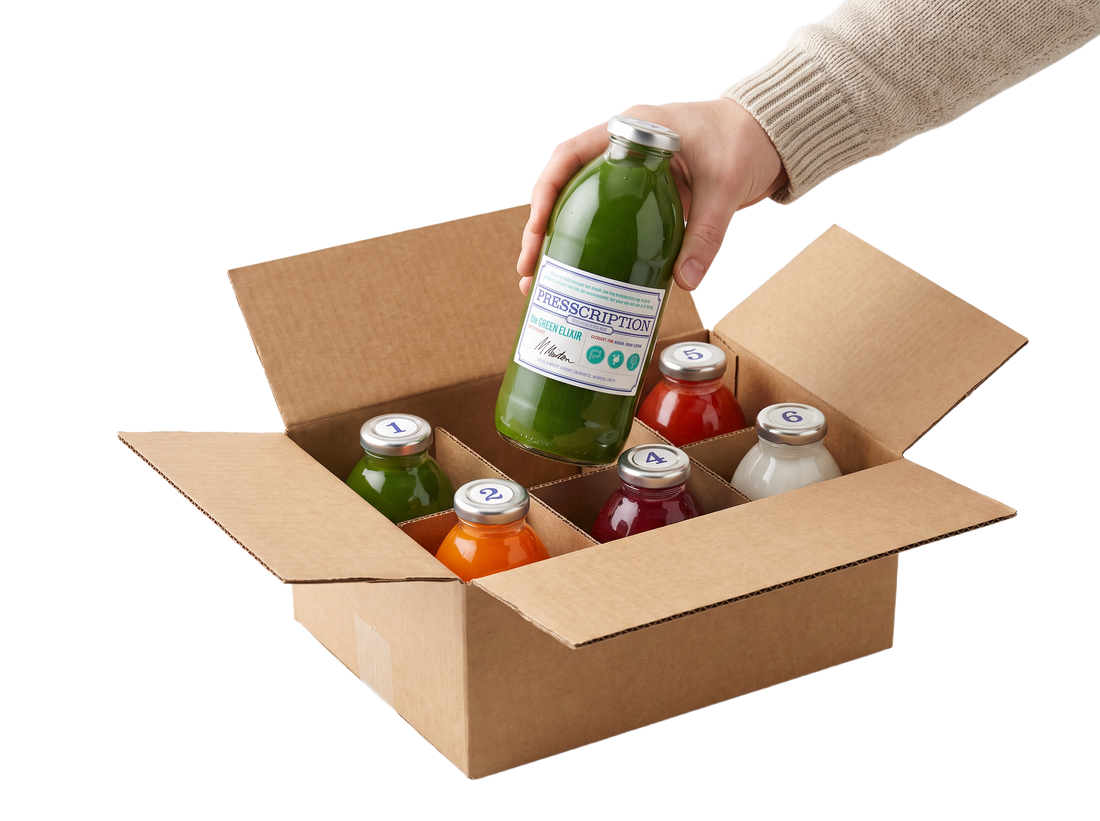
You can see the full range on our cold-pressed juices page, and our guide to how juice delivery works explains how fresh bottles reach you across London and the UK.
How long does carrot juice last?
- Homemade: keep it in a sealed glass jar or bottle in the fridge and drink it within 24 hours. Fill the container to the top to limit air, and give it a shake before drinking as it naturally separates.
- Our cold-pressed juice: keep it refrigerated and drink it by the date on the bottle. Once opened, finish it the same day.
- Freezing: you can freeze homemade carrot juice in an airtight container or ice-cube tray for a few months. Thawed juice is best used in smoothies or soups.
For more ideas on building a veg-led juice, see our post on what goes into a good detox juice, which includes three simple recipes.
Carrot juice FAQs
Is it OK to drink carrot juice every day?
Yes, as part of a balanced diet. The NHS suggests limiting juice and smoothies to 150ml a day combined, ideally with a meal, and still eating whole vegetables for their fibre.
What is the best time to drink carrot juice?
There is no magic time. Having it with a meal that includes a little fat, such as nuts, seeds or avocado, helps your body make the most of the beta-carotene and is kinder to your teeth than sipping it between meals.
Does carrot juice help your eyes?
Carrots are rich in beta-carotene, which the body converts to vitamin A, and vitamin A contributes to the maintenance of normal vision. Carrot juice won't correct your eyesight, but it is a good dietary source of vitamin A.
What goes well with carrot juice?
Ginger, lemon, turmeric, orange, apple, beetroot, celery and sweet potato all pair well. Ginger and lemon are the easiest way to stop it tasting too sweet.
Is cold-pressed carrot juice better than shop-bought?
Many supermarket juices are pasteurised or high-pressure processed for a long shelf life, and some are made from concentrate. Cold-pressed juice made fresh to order is closer to what you would make at home, without the cleaning up.
Want carrot juice without the juicer? Try The Beta Boost: carrot, turmeric, ginger and omega oils, cold-pressed fresh to order and delivered across London and the UK.