Protein Soup: 5 Plant-Based Bowls for January Lunches

Quick answer: A protein soup is any soup built around a proper protein source rather than vegetables alone. For a plant-based bowl, that means red lentils, chickpeas, beans, peas, tofu or quinoa, which can take a bowl from a few grams of protein to roughly 10–15g. Pick one of the five recipes below, or stir a tin of beans or a handful of red lentils into a soup you already like.
Most vegetable soups are lovely, warming and full of veg, but they're not high in protein. That matters in January, when soup becomes lunch most days and people want something that feels like a proper meal. The good news is that you don't need protein powder. A few cupboard staples do the job, and they add fibre and texture at the same time.
How much protein do you need?
The UK Government's Eatwell Guide and dietary recommendations put average adult needs at about 45g of protein a day for women and about 55g for men. That's based on roughly 0.75g per kilo of body weight, so it varies with your size and how active you are. Spread across three meals, a lunch with 10–20g of protein is a sensible target for most people.
The NHS describes beans, peas and lentils as a good source of protein that is also low in fat and high in fibre, and a cheap alternative to meat. They count towards your 5 A Day too, though only once a day however much you eat: a portion is 80g, or about 3 heaped tablespoons.
The best plant protein sources for soup
- Red lentils. The easiest. They cook in 15–20 minutes, need no soaking and melt into a thick, smooth soup. Dried red lentils are roughly a quarter protein by weight.
- Chickpeas and beans. Tinned chickpeas, cannellini, butter beans and black beans add around 6–8g of protein per 100g drained. Blend some for creaminess and leave some whole for bite.
- Peas and edamame. Frozen peas are a freezer staple with about 5g of protein per 100g; edamame has roughly double that.
- Tofu. Firm tofu holds its shape in a broth; silken tofu blends into a creamy soup without dairy.
- Quinoa and pearl barley. They add body and some protein, and make a thin soup more filling to eat.
- Toppings. A spoon of hemp seeds, toasted pumpkin seeds or a swirl of tahini adds a few extra grams.
The protein figures in this guide are approximate and vary by brand, so check the label on your tins and packets if you're tracking.
5 plant-based protein soups
Each recipe serves 4, and the protein figure is a rough per-bowl estimate from the main protein ingredients.
1. Red lentil, carrot and cumin (about 12g per bowl)
Soften an onion, 3 carrots and 2 garlic cloves in olive oil, add 2 tsp ground cumin, then 200g rinsed red lentils and 1.2 litres of low-salt vegetable stock. Simmer for 20 minutes, blend and finish with lemon juice. Cheap, quick and very forgiving.
2. Smoky chickpea and tomato (about 9g per bowl)
Fry an onion and a red pepper with 1 tsp smoked paprika, add a 400g tin of chopped tomatoes, 2 drained tins of chickpeas and 800ml stock. Simmer for 15 minutes, then blend half and stir it back in so the soup is thick but chunky. Spinach wilted in at the end adds colour.
3. Pea, mint and white bean (about 10g per bowl)
Soften a leek, add 500g frozen peas, a drained tin of cannellini beans and 900ml stock. Simmer for 5 minutes only, so the peas stay bright, then blend with a handful of mint. The beans make it creamy without any cream.
4. Miso broth with tofu, edamame and greens (about 12g per bowl)
Warm 1.2 litres of vegetable broth with sliced ginger and spring onions. Add 280g cubed firm tofu, 150g frozen edamame and shredded pak choi or kale, then simmer for 5 minutes. Take it off the heat and stir in 2–3 tbsp miso paste (boiling miso dulls its flavour). Add cooked noodles to make it a bigger meal.
5. Black bean, sweet potato and quinoa (about 13g per bowl)
Cook an onion, garlic and a diced sweet potato with cumin and chilli, then add 2 drained tins of black beans, 100g rinsed quinoa, a tin of tomatoes and 1 litre of stock. Simmer for 20 minutes until the quinoa is tender. Top with lime, coriander and a spoon of yoghurt or a plant-based alternative.
How to add protein to any soup
You don't always need a new recipe. These tricks work with a soup you've made, bought or had delivered:
- Stir in half a tin of drained beans or chickpeas while it warms through.
- Blend in 100g of silken tofu for a creamy finish.
- Add a handful of frozen peas or edamame for the last 3 minutes.
- Spoon it over cooked quinoa, lentils or barley rather than eating it on its own.
- Top with seeds, or serve with hummus on wholemeal toast on the side.
Watch the salt if you use stock cubes and tinned pulses in brine. The NHS recommends adults have no more than 6g of salt a day, so choose low-salt stock and rinse tinned beans before using them.
What about our soups?
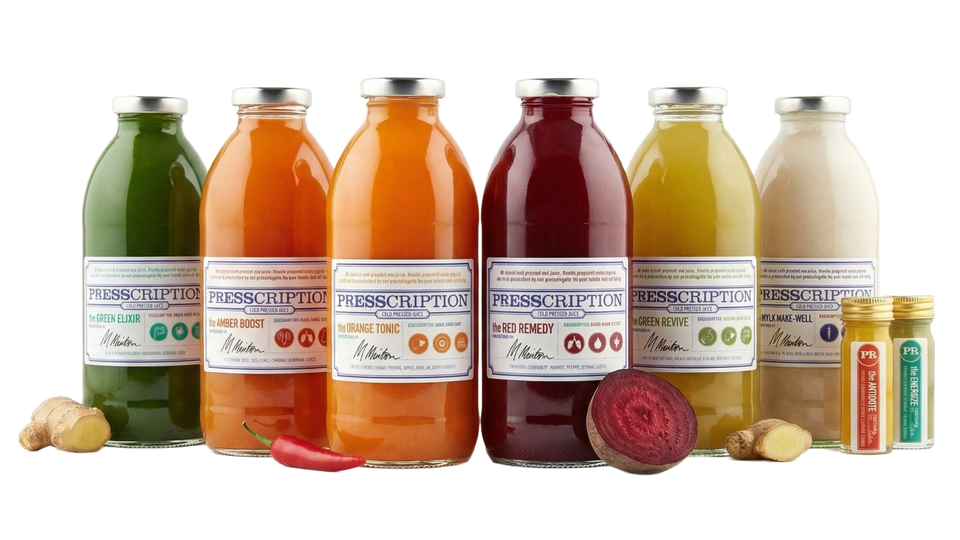
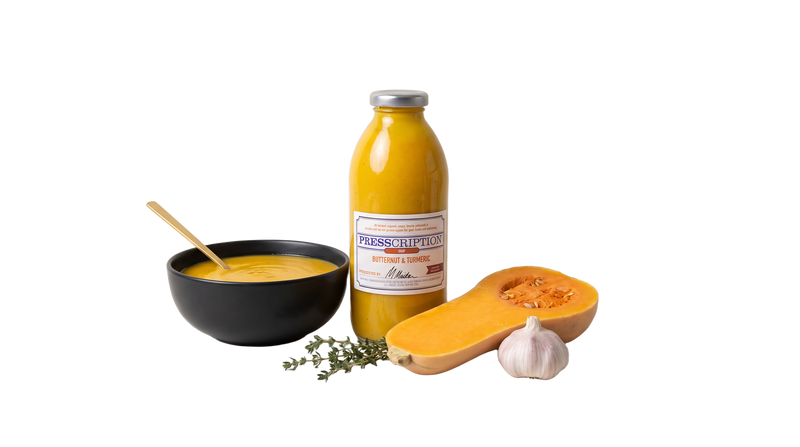
Our fresh soups and broths are veg-led rather than high-protein. Souper Green, for example, is broccoli, spinach, kale, leek and cauliflower, and our broths are slow-cooked from whole vegetables. They're designed by our nutritionist, Grace Kingswell, made fresh to order daily in London, never pasteurised, and delivered in glass bottles. They make a great base for the tips above: warm a bottle of Souper Green and add a tin of white beans, or use our Original Broth as the stock for the miso and tofu bowl.
If you're thinking about soup and weight, our guide to whether soup is good for weight loss looks at what the evidence says, and our vegetable broth guide shows how to make a good base at home.
Protein soup FAQs
Which soup has the most protein?
Soups built on lentils, beans, tofu or edamame are the highest of the plant-based options. Of the recipes above, the black bean and quinoa soup and the red lentil soup come out highest, at roughly 12–13g a bowl.
Can you get enough protein from soup alone?
One bowl can give a useful share of a day's protein, but it's best as part of a varied diet across the day. The Eatwell Guide suggests eating a mix of protein foods, including beans, pulses, eggs, fish and meat if you eat them.
Do lentils need soaking before going in soup?
Red and yellow split lentils don't need soaking; just rinse them. Green and brown lentils hold their shape and take a little longer, about 25–30 minutes. Dried beans and chickpeas do need soaking, which is why tins are handy for weekday soups.
Can I freeze protein soup?
Yes, lentil and bean soups freeze very well for up to about 3 months. Tofu can turn a little spongy once frozen, so add it fresh when you reheat. Reheat until steaming hot all the way through.
Is protein powder in soup a good idea?
Unflavoured powder can work in a blended soup, but whole foods such as lentils and beans give you fibre and texture as well as protein, and they're usually cheaper.
Want a head start? Order our Soup Bundle and add your own beans or lentils, with night-before delivery in London and delivery across the UK, or pair soups with juices on one of our soup cleanses.