Cold-Pressed Juice: What It Is, How It's Made and How It Compares With Pasteurised and HPP Juice

Quick answer: Cold-pressed juice is made by crushing fruit and vegetables into a pulp and then squeezing the juice out under a hydraulic press, rather than shredding them with a fast-spinning blade. Truly fresh cold-pressed juice is never heated (pasteurised) and lasts about three days in the fridge; many "cold-pressed" bottles in shops are also treated with high pressure processing (HPP) to last for weeks. Check the label for "unpasteurised", "not HPP" and a short use-by date if you want juice that is as close to homemade as possible.
"Cold-pressed" is printed on everything from supermarket juice to coconut oil. So what does it actually mean for juice, and how is it different from the juice in a carton or at a juice bar? This guide explains how cold-pressed juice is made, how it compares with pasteurised and HPP juice, how long it keeps and how to read a label, with input from our nutritionist, Grace Kingswell.
What is cold-pressed juice?
Cold-pressed juice is juice extracted in two stages. First the fruit and vegetables are ground or crushed into a fine pulp. Then that pulp is packed into filter bags and squeezed under a hydraulic press, often at several tonnes of pressure, until the juice runs out and a dry cake of fibre is left behind.
The "cold" part refers to the fact that no heat is added during extraction, and the process doesn't rely on a blade spinning at thousands of revolutions per minute. The result is a smooth, pulp-free juice with a fresher, cleaner taste and less foam than juice from a standard centrifugal juicer.
Cold-pressed vs centrifugal juicers
Most home juicers and many juice bars use a centrifugal juicer: a flat blade spins very fast and flings the shredded produce against a mesh basket. It is quick and cheap, but it whips a lot of air into the juice, which is why it often separates, foams and turns brown within minutes.
A hydraulic cold press works slowly and presses rather than shreds. Compared with centrifugal juicing, you typically get:
- Less air and foam, so the juice looks and tastes fresher for longer.
- A higher yield from leafy greens like spinach, kale and celery, which centrifugal juicers handle badly.
- A smoother texture with very little pulp.
Slow "masticating" home juicers sit somewhere in between: they crush rather than spin, but they don't use a separate hydraulic press stage. Our older post, Cold Pressed is Best, goes into the difference in more detail.
Cold-pressed vs pasteurised vs HPP juice
How juice is extracted is only half the story. What happens to it afterwards decides how fresh it really is and how long it lasts.
- Unpasteurised (raw) cold-pressed juice is pressed, bottled and chilled, and that is it. Nothing else is done to it, so it has a short life: about three days in the fridge.
- Pasteurised juice is heated to kill bacteria so it can sit on a shelf or in the chiller for weeks or months. Most cartons and many supermarket bottles are pasteurised, and some are made from concentrate. Heat can reduce some heat-sensitive vitamins, such as vitamin C, and it changes the flavour.
- HPP (high pressure processed) juice is sealed in plastic bottles and then put under very high water pressure to inactivate bacteria without heat. This extends shelf life to several weeks. Plenty of HPP juices are cold-pressed first, which is why "cold-pressed" on a label doesn't always mean "fresh".
None of these is unsafe when done properly; they are trade-offs between freshness, taste and convenience. If you want the juice closest to what you would make yourself, look for unpasteurised, non-HPP juice with a short use-by date.
How long does cold-pressed juice last?
- Fresh, unpasteurised cold-pressed juice: about three days in the fridge, unopened. Once opened, drink it the same day.
- HPP cold-pressed juice: often 30 to 60 days unopened; follow the label once opened.
- Homemade juice: best within 24 hours, kept cold in a sealed glass bottle filled to the top.
Keep cold-pressed juice at fridge temperature (5°C or below) and shake it before drinking, as natural separation is normal.
How to read a cold-pressed juice label
A few quick checks tell you most of what you need to know:
- Look for "unpasteurised" or "raw" and check whether it says HPP or "high pressure processed".
- Check the use-by date. A few days means fresh; several weeks means it has been processed.
- Read the ingredients in order. They are listed from most to least, so a "green juice" that starts with apple is mostly apple.
- Watch for "from concentrate", added water or added sugar.
- Check the sugars per bottle on the nutrition panel. Vegetable-led juices are usually much lower than fruit-led ones.
- Note the packaging. Glass doesn't flavour the juice and is widely recyclable; HPP juice has to be in plastic because glass can't take the pressure.
How much cold-pressed juice should you drink?
Cold-pressed or not, juice is still juice. The NHS advises keeping fruit juice, vegetable juice and smoothies to a combined total of 150ml a day, because juicing releases natural sugars as "free sugars", and juice only counts as one of your 5 A Day however much you drink (NHS: 5 A Day, what counts). Drinking it with a meal is kinder to your teeth.
Pressing also leaves most of the fibre behind in the pulp, so juice works best alongside whole fruit and vegetables rather than instead of them. Our guide to blending vs juicing explains the trade-off. If you are doing a juice cleanse, you are drinking juice in place of meals for a short, planned period, which is a different situation; our guide to doing a juice cleanse covers that.
How Presscription makes cold-pressed juice
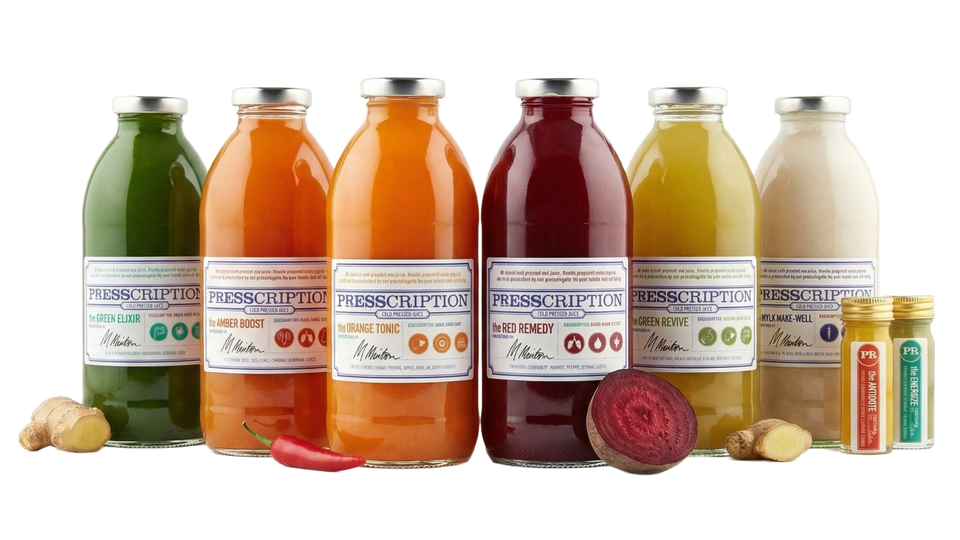
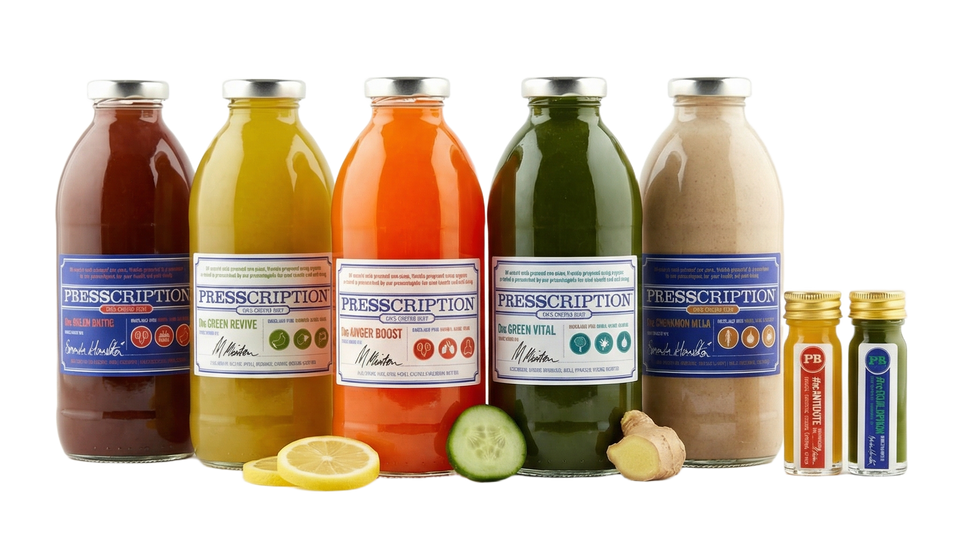
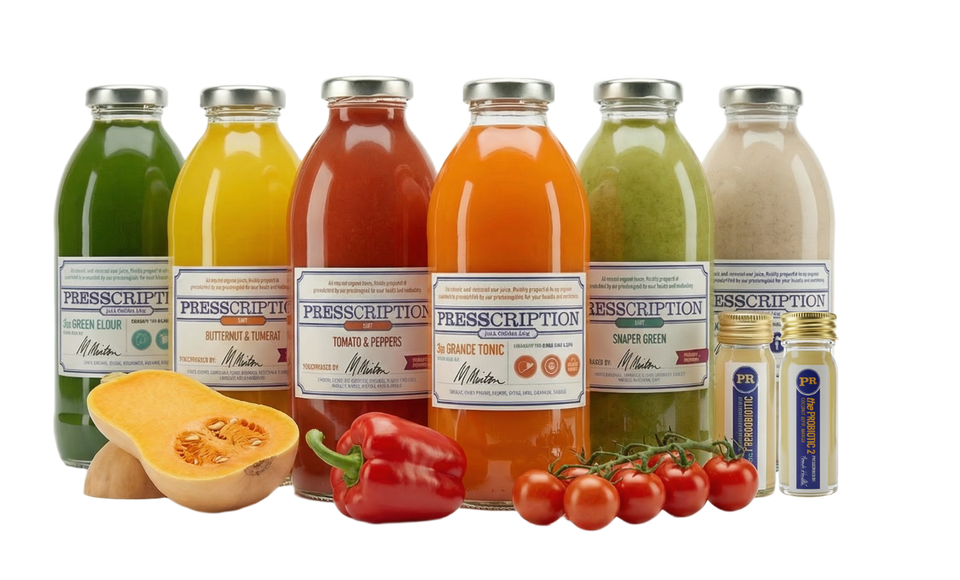
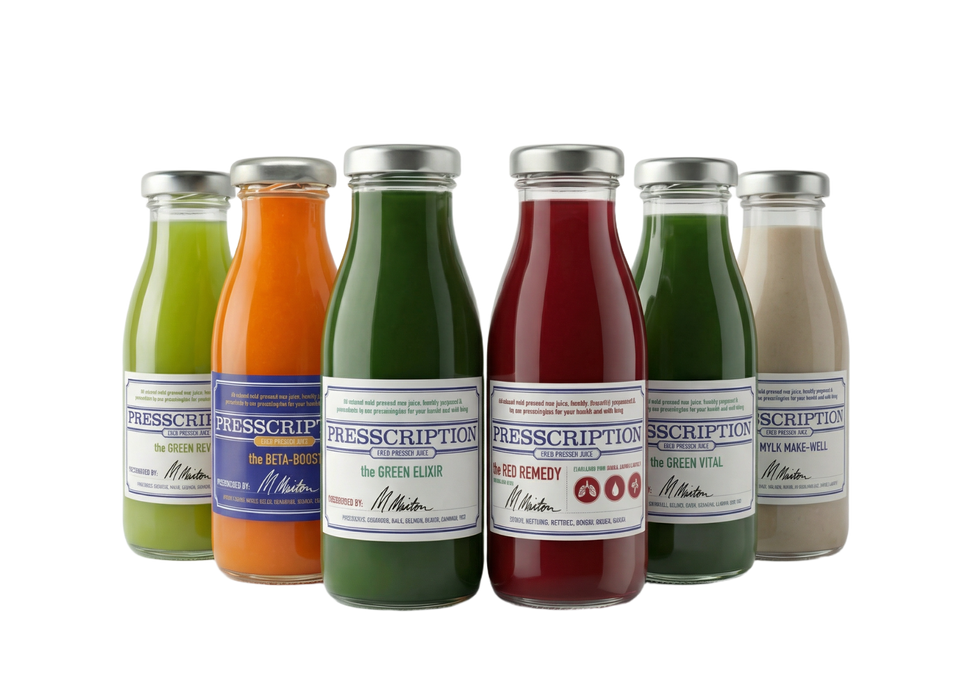
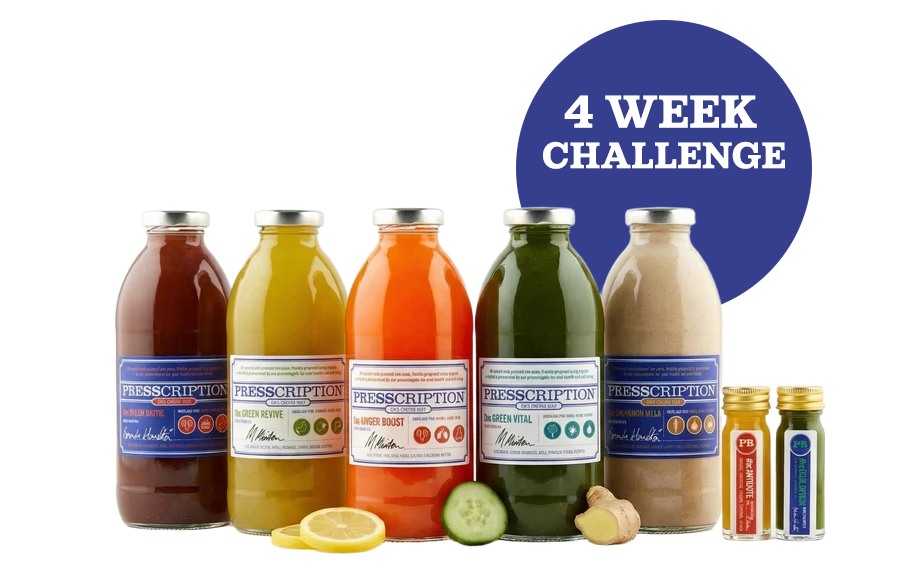
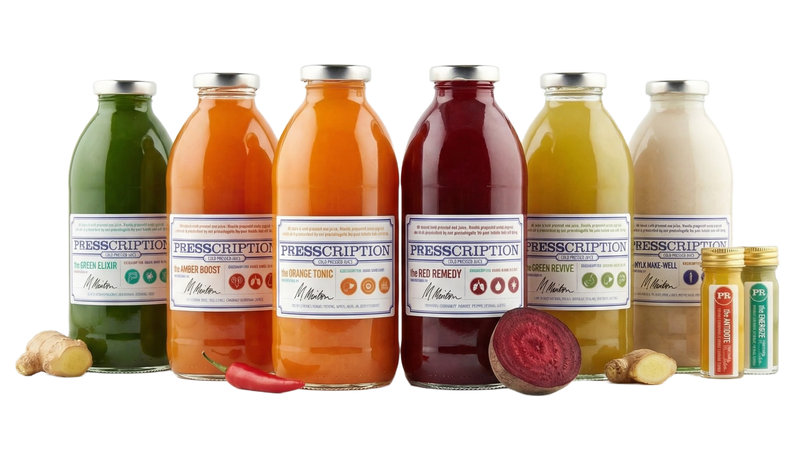
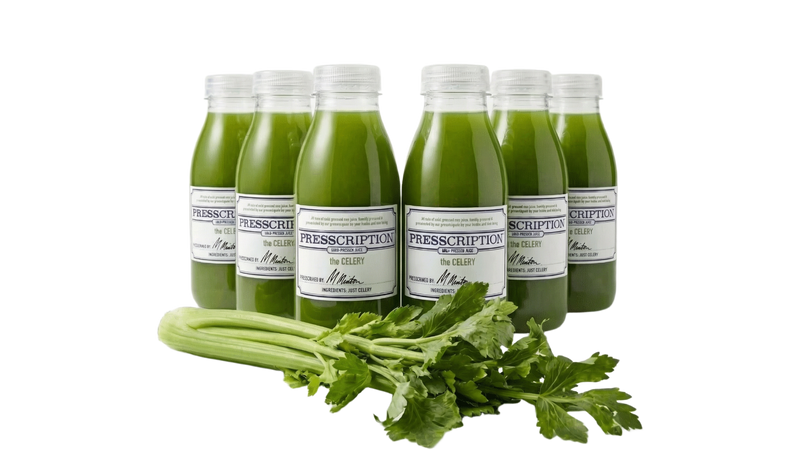
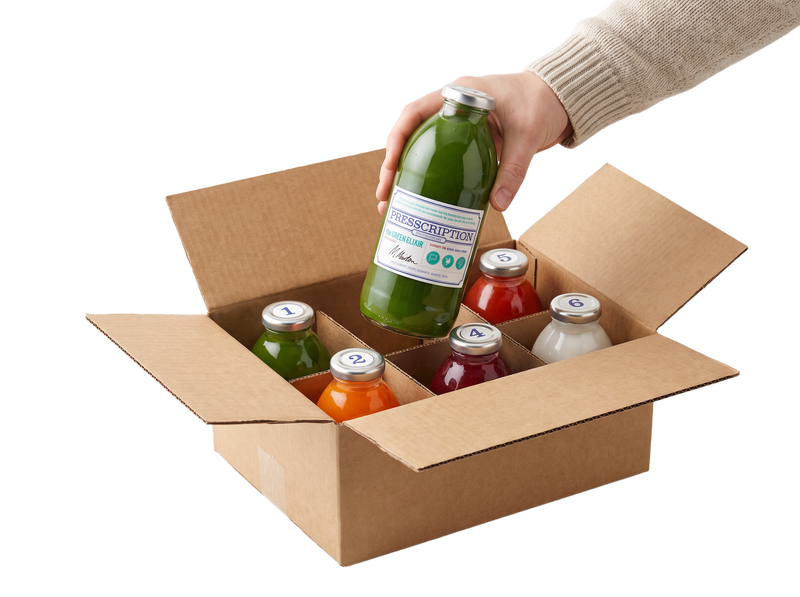
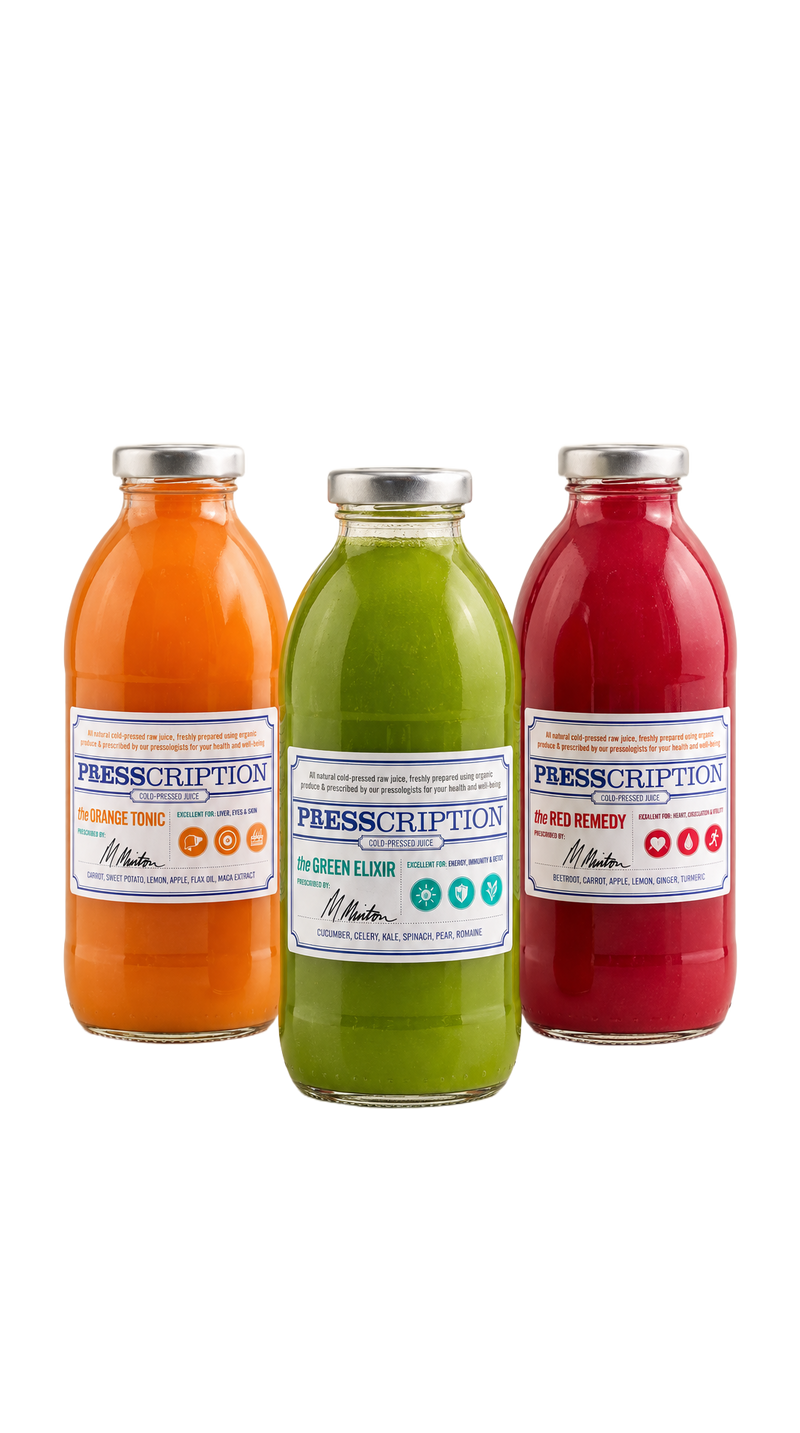
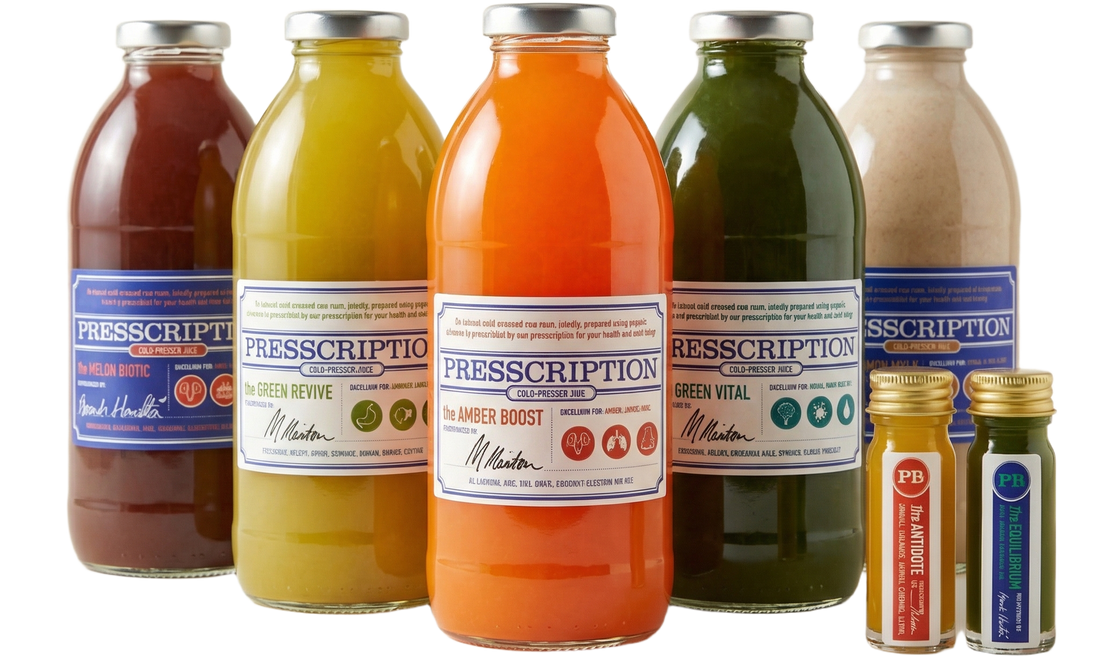
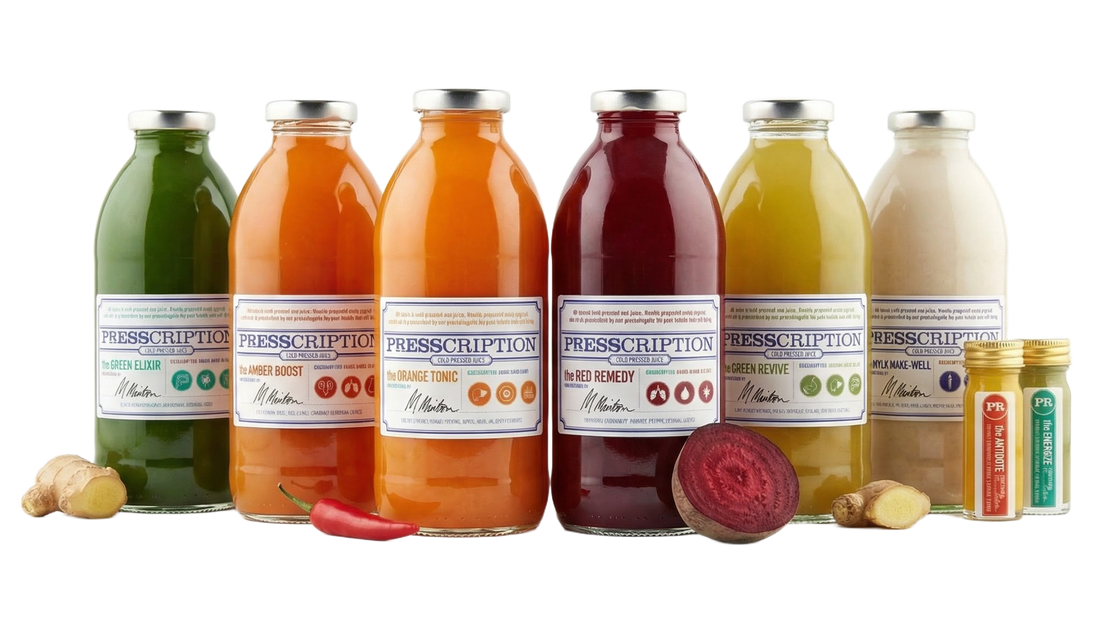
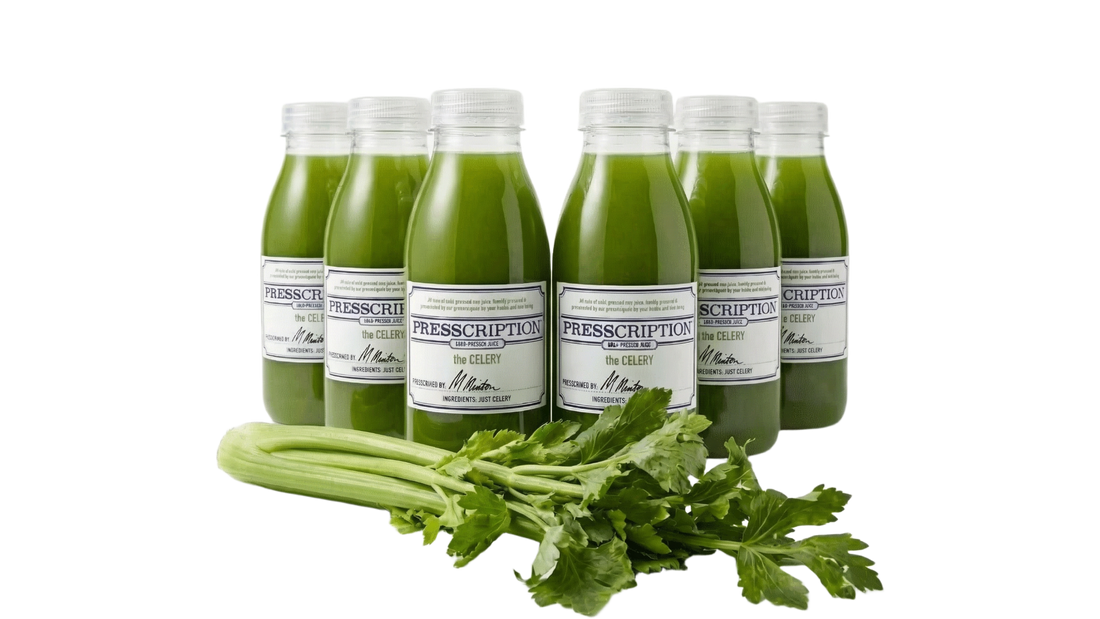
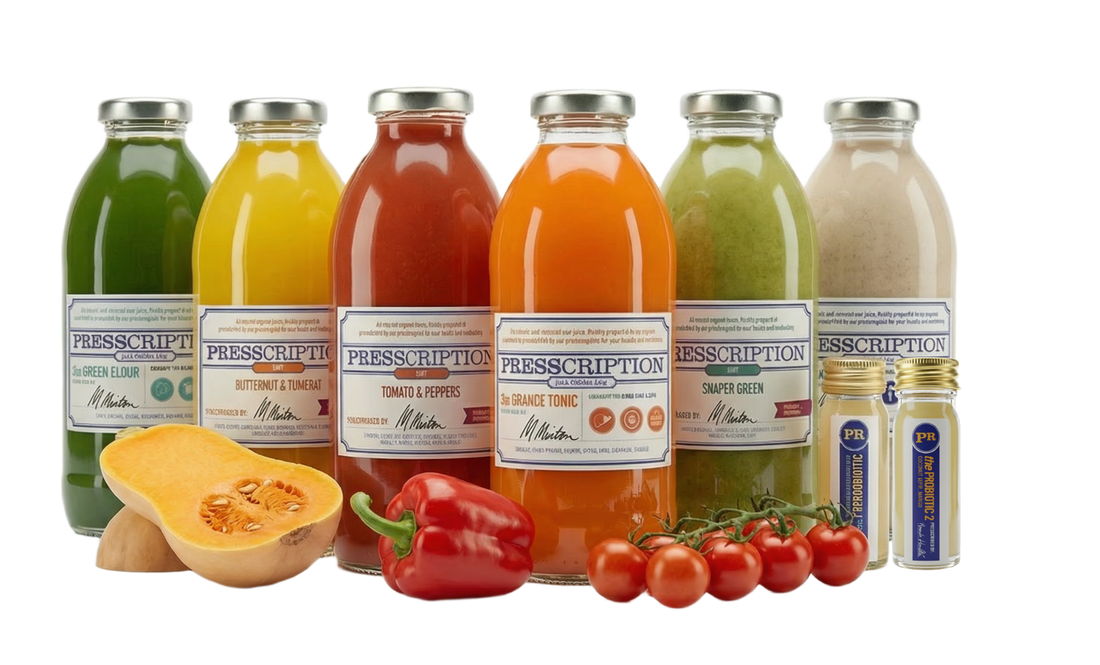
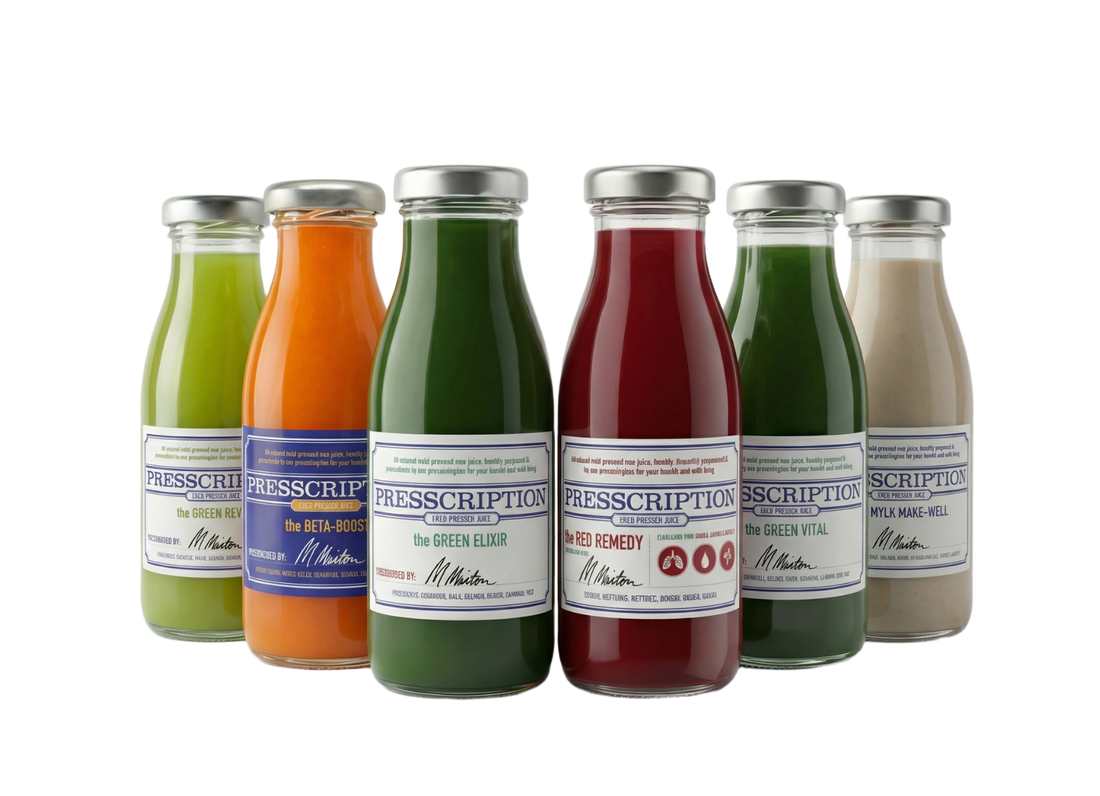
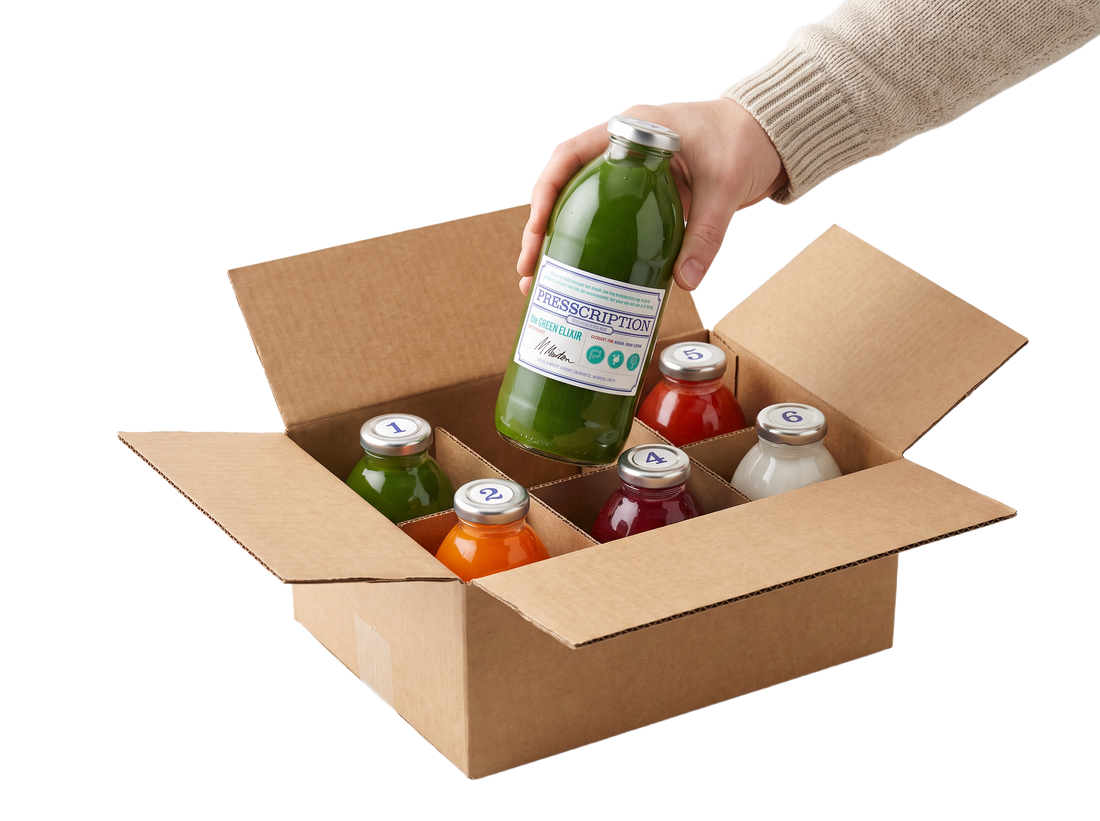
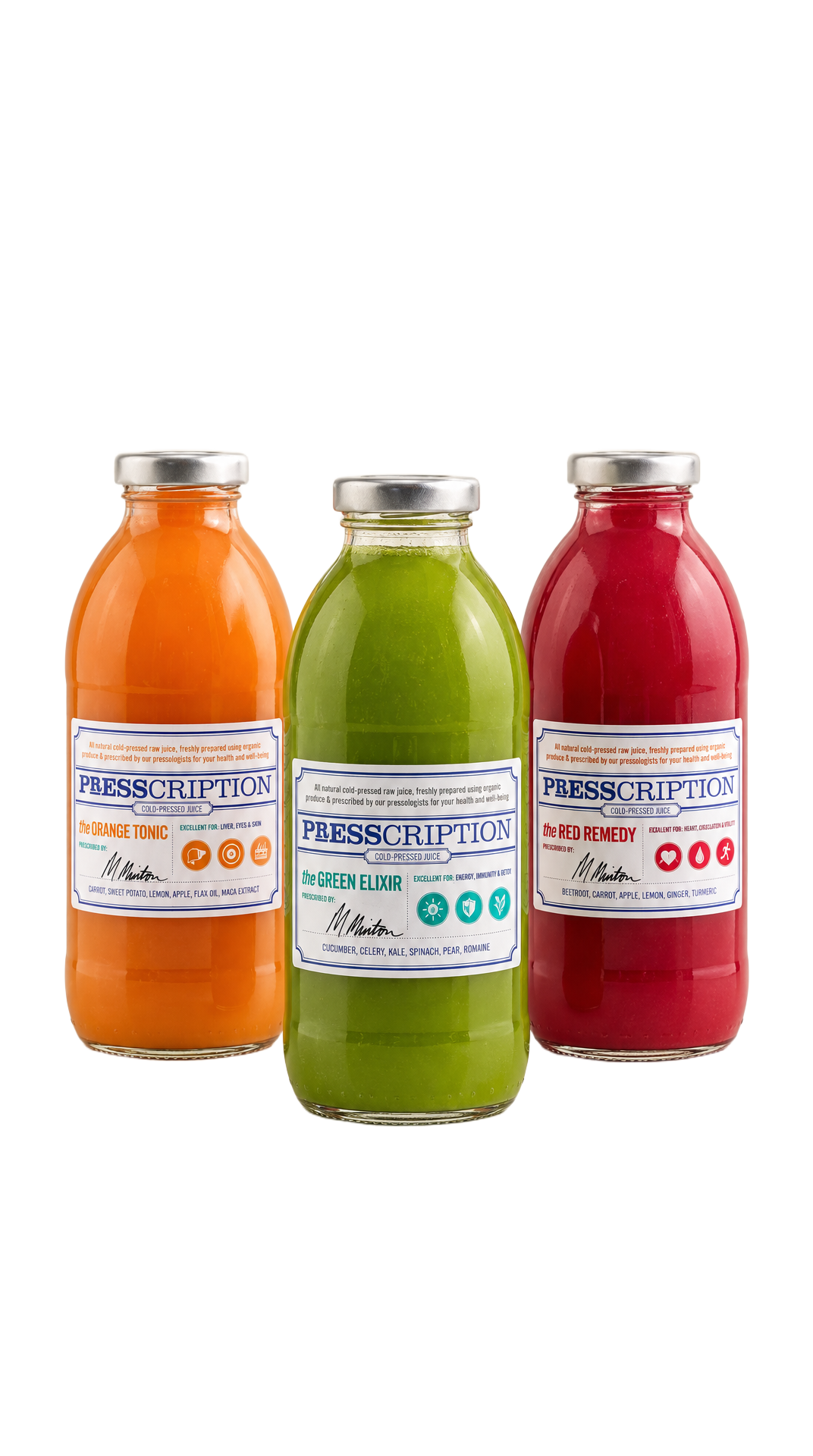
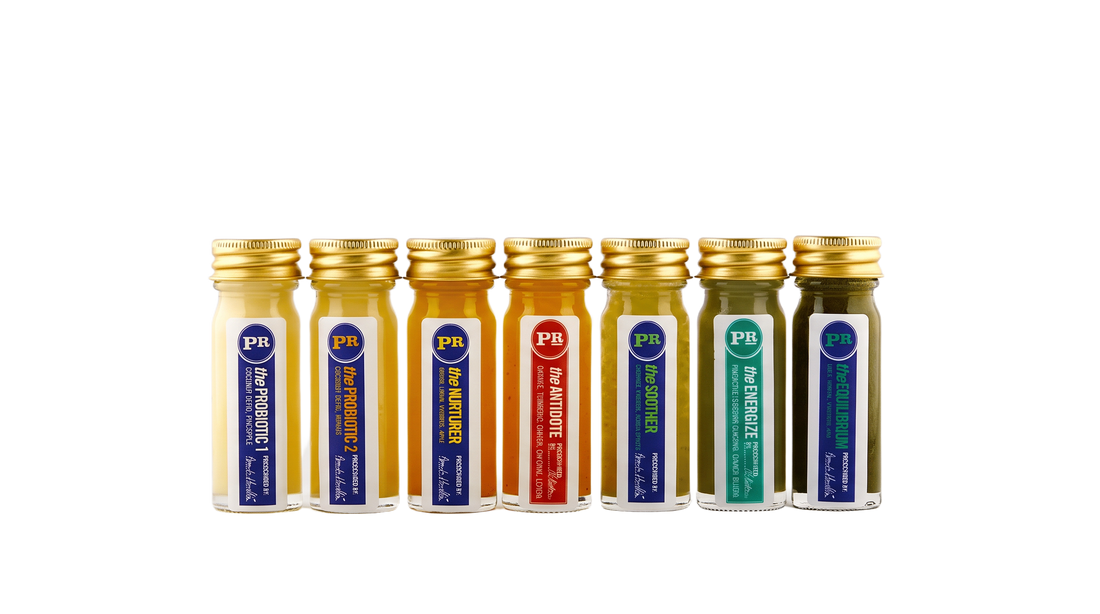
Every bottle is cold-pressed fresh to order daily in London, never pasteurised and never HPP-treated, which is why our juices keep for about three days. We bottle in glass, and our recipes are designed by our nutritionist, Grace Kingswell, to run at about 80% vegetables to fruit, so greens like The Green Vital taste fresh rather than sugary. London orders arrive the night before your chosen day, and we deliver across the rest of the UK too; our guide to how juice delivery works has the details. You can mix and match single bottles from our cold-pressed juices, or choose a ready-planned day from our juice cleanses.
Cold-pressed juice FAQs
Is cold-pressed juice better than normal juice?
It is usually fresher-tasting, smoother and, if unpasteurised, closer to homemade juice. Pasteurised juice has been heated, which can reduce some heat-sensitive vitamins such as vitamin C and changes the flavour. Either way, the NHS suggests no more than 150ml of juice a day in total.
Is cold-pressed juice pasteurised?
Not always. Fresh cold-pressed juice is unpasteurised, but many cold-pressed juices sold in shops are treated with high pressure processing (HPP) or heat to give them a longer shelf life. Check the label and the use-by date.
How long does cold-pressed juice last?
Fresh, unpasteurised cold-pressed juice lasts about three days in the fridge. HPP juice can last several weeks unopened. Once opened, drink any juice the same day.
Can you freeze cold-pressed juice?
Yes. Freeze it in a container with room for expansion, thaw it in the fridge and drink it within a day. The texture may change slightly, so give it a good shake.
Is cold-pressed juice safe in pregnancy?
Unpasteurised juice hasn't been heat-treated, so if you are pregnant or have a weakened immune system, ask your GP or midwife whether it is right for you.
Taste the difference fresh makes: build a box from our cold-pressed juices, pressed to order in London, never pasteurised and delivered in glass across London and the UK.