
Coffee alternatives: 8 swaps for Dry January and beyond

Quick answer: The best coffee alternative is the one that replaces the ritual, not just the drink. Caffeine-free swaps include chicory "coffee", rooibos, a turmeric latte, ginger and lemon, or a cold-pressed shot; matcha, green tea and decaf still contain some caffeine, so they suit cutting down rather than cutting out. Taper over a week or two rather than stopping overnight.
January is when a lot of us look at the third flat white of the day and wonder whether we need it. Maybe it is Dry January making you rethink habits in general, maybe it is sleep, or maybe you just want to stop feeling jittery by 11am. Whatever the reason, swapping coffee is far easier with a plan and a few drinks you actually enjoy. Here are eight coffee alternatives, what is (and is not) in them, and how to make the switch without a miserable first week.
Why people look for a coffee alternative
Most people are not trying to give up coffee forever. The common reasons we hear are:
- Sleep. Caffeine stays in your system for hours. The NHS advice for people struggling to sleep is to avoid tea and coffee for at least six hours before bed, which rules out that 4pm pick-me-up for many people.
- The jitters. Some people simply feel shaky, restless or anxious after a strong coffee, especially on an empty stomach.
- Habit rather than choice. If your second and third cups are on autopilot, a swap is a way to take back control.
- Pregnancy. The NHS recommends no more than 200mg of caffeine a day when you are pregnant.
- A cleanse or reset. Lots of people cut caffeine before a juice cleanse. We cover that in our guide to whether to ditch coffee on a juice cleanse.
How much caffeine is in your coffee?
It helps to know what you are cutting from. The NHS gives these rough figures:
- Mug of filter coffee: 140mg
- Mug of instant coffee: 100mg
- Mug of tea: 75mg
- Can of cola: 40mg
Coffee-shop drinks vary a lot depending on the beans and the number of shots, so a large latte can easily contain more than a mug of instant. For healthy adults who are not pregnant, the European Food Safety Authority considers up to 400mg a day from all sources to be of no safety concern. Most people looking for a coffee alternative are not over that line; they just want to drink less, or drink it earlier.
8 coffee alternatives worth trying
1. Chicory "coffee"
Roasted chicory root brews into a dark, slightly bitter drink that looks and tastes the closest to filter coffee of anything here. It is naturally caffeine-free. Some blends mix chicory with barley or dandelion root, and a few add real coffee, so check the label if you want zero caffeine.
2. Matcha
Powdered green tea whisked into hot water or milk. It does contain caffeine, generally less than a strong coffee but more than most cups of ordinary green tea, so it is a cutting-down option rather than a caffeine-free one. Many people like it as a stepping stone because it keeps the morning ritual of a frothy latte.
3. Rooibos
A South African red bush tea that is naturally caffeine-free. It is mellow, slightly sweet and takes milk well, which makes it a good swap for builder's tea drinkers as well as coffee drinkers. A rooibos "latte" with steamed oat milk and a pinch of cinnamon is a decent afternoon replacement for a cappuccino.
4. Turmeric latte (golden milk)
Turmeric, ginger, cinnamon and black pepper warmed with milk. It is caffeine-free, comforting on a cold January morning and easy to make at home. Our golden milk guide has a simple recipe and tips on getting the spice balance right.
5. Hot water with lemon and fresh ginger
Not glamorous, but it gives you something hot to hold first thing, which is half of what a morning coffee is for. Grate in fresh ginger for warmth. If you drink it daily, use a straw or rinse with plain water afterwards, as acidic drinks can be hard on tooth enamel.
6. Decaf coffee
If what you love is the taste of coffee, decaf is the obvious answer. Decaffeinated coffee still contains a small amount of caffeine, but far less than regular. Swapping your afternoon cups to decaf while keeping a morning regular coffee is one of the easiest ways to taper.
7. Herbal teas
Peppermint, chamomile, lemon verbena and fruit infusions are all caffeine-free. They are not trying to be coffee, which is the point: an evening mug of something warm can replace the after-dinner espresso without keeping you awake.
8. A cold-pressed shot
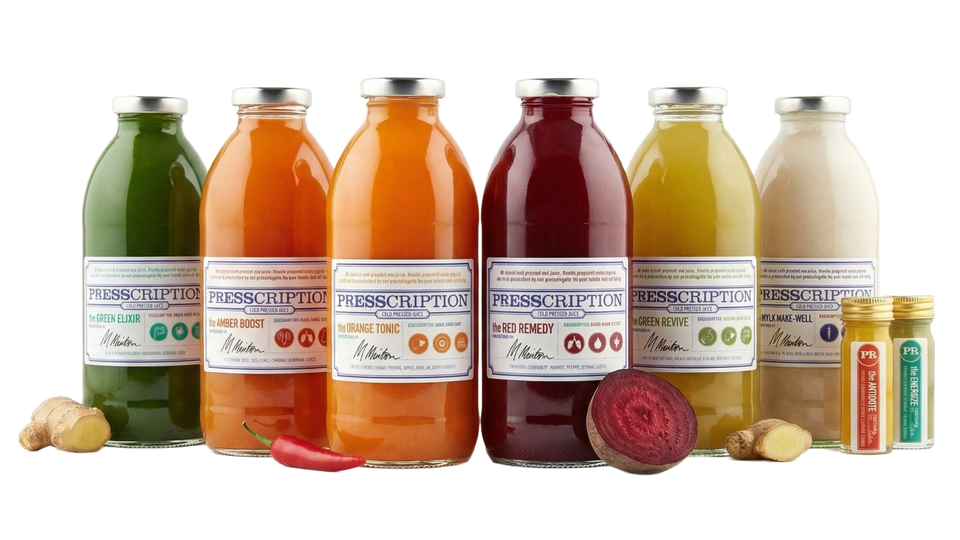
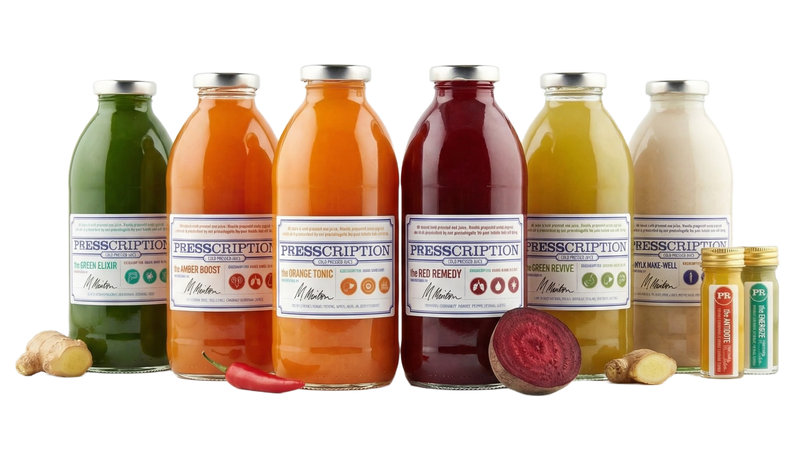
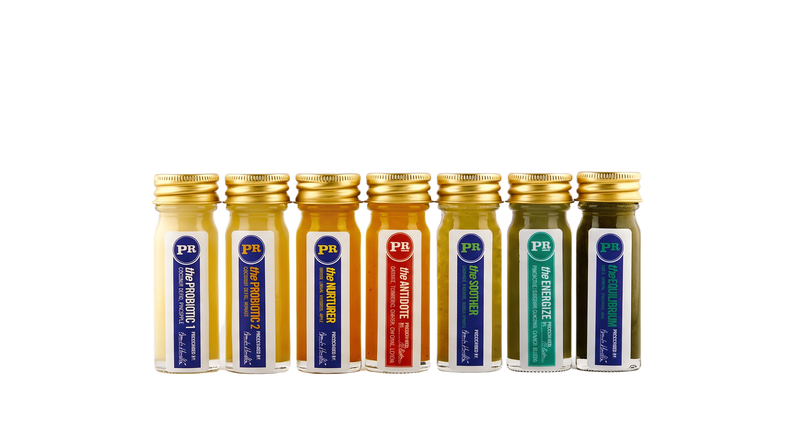
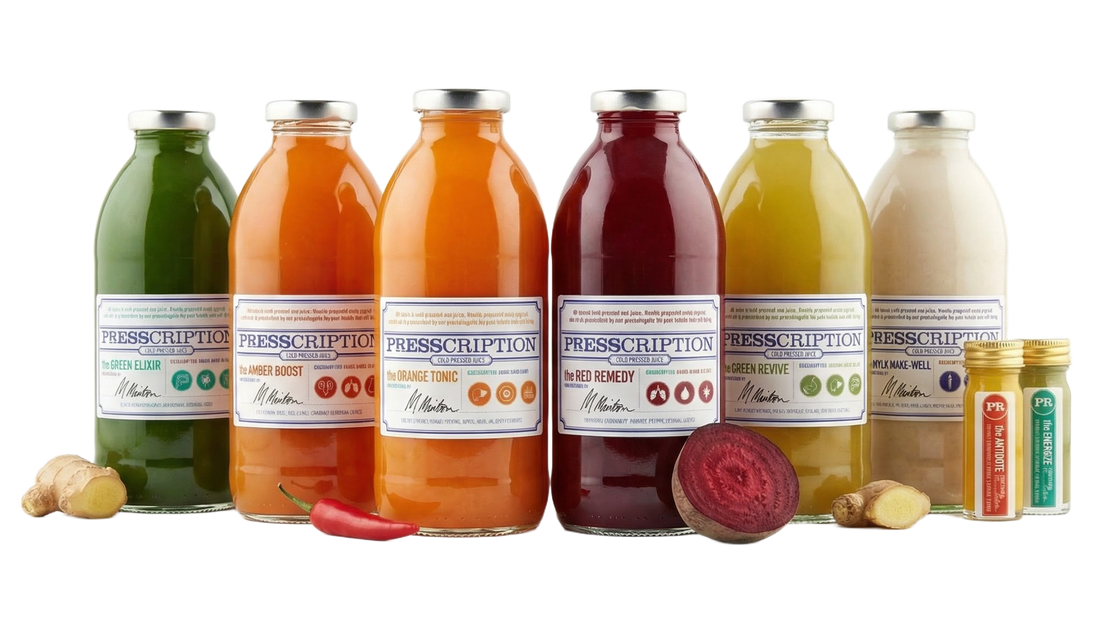
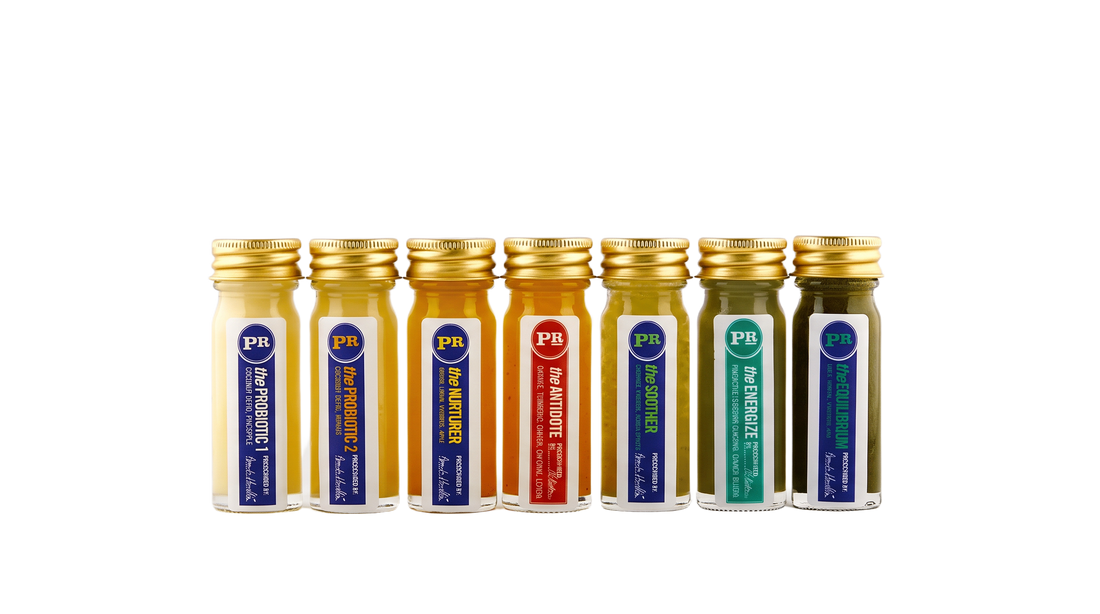
For people who like the "knock it back and get on with the day" feel of an espresso, a 30ml shot fills the same slot. The Energize is our coffee alternative shot: cold-pressed pineapple with Siberian ginseng and ginkgo biloba, with no coffee in it. Because it contains botanical extracts, check with your GP or pharmacist first if you are pregnant, breastfeeding or take any regular medication. If you prefer something fiery, our ginger and turmeric juice shots work the same way.
How to cut down on coffee without the misery
Stopping caffeine suddenly can leave some people with headaches, tiredness or irritability for a few days. A gentler approach usually works better:
- Write down what you actually drink for two or three days, including tea, cola and energy drinks. Many people drink more than they think.
- Cut the latest cup first. Replace your afternoon coffee with decaf, rooibos or a shot, and keep the morning one for now.
- Drop one cup every few days rather than all at once. Half-caf (half regular, half decaf) is a useful halfway step.
- Keep the ritual. Use the same mug, the same time and the same walk to the café, just with a different drink in your hand.
- Drink enough fluid. The NHS Eatwell Guide suggests 6 to 8 cups or glasses of fluid a day; water, lower-fat milk and sugar-free drinks, including tea and coffee, all count, but water is the simplest.
- Look at sleep and food as well. If you rely on coffee to get through the afternoon, a proper lunch and an earlier night often make more difference than any drink.
Coffee alternative FAQs
What is the closest coffee alternative to the real thing?
Roasted chicory or a chicory and barley blend tastes the most like filter coffee. If you mainly miss the flavour, decaf coffee is closer still.
Is matcha caffeine-free?
No. Matcha is a green tea and contains caffeine, usually less than a strong coffee. It is a good option for cutting down, but not for cutting caffeine out completely.
Which coffee alternatives are completely caffeine-free?
Chicory (without added coffee), rooibos, most herbal and fruit teas, a turmeric latte, hot water with lemon and ginger, and juice shots made with no coffee, such as The Energize.
How long does it take to get used to less coffee?
It varies. Tapering over one to two weeks, starting with your latest cup of the day, tends to be easier than stopping overnight.
Can I drink coffee alternatives during a juice cleanse?
Caffeine-free herbal teas and water fit alongside a juice cleanse. Our guide to coffee on a cleanse explains how to cut down beforehand.
Ready to swap your morning espresso? Try The Energize coffee alternative shot, cold-pressed to order in London, never pasteurised and bottled in glass, with night-before delivery across London and delivery across the UK.
Sources: NHS, Insomnia; NHS, Foods to avoid in pregnancy; NHS, The Eatwell Guide; European Food Safety Authority, Caffeine.