
Detox Cleanse: What a Juice Detox Can (and Can't) Do
Quick answer: Your liver and kidneys do the actual detoxing, every day, and no juice or pill replaces them. What a short juice detox can do is give you a clean break: a few days off alcohol, caffeine and ultra-processed food, with lots of vegetables and fluid instead. Done for one to three days and eased out of properly, it is a simple, realistic reset.
Search for "detox cleanse" and you will find everything from green juices to colon-cleansing capsules and liver teas. Some of it is sensible, some of it is marketing. This guide, written with our nutritionist Grace Kingswell, sets out what your body already does on its own, what a juice detox can genuinely offer, and how to do one well.
What people mean by a "detox cleanse"
"Detox cleanse" is not a medical term. People use it to describe a handful of quite different things:
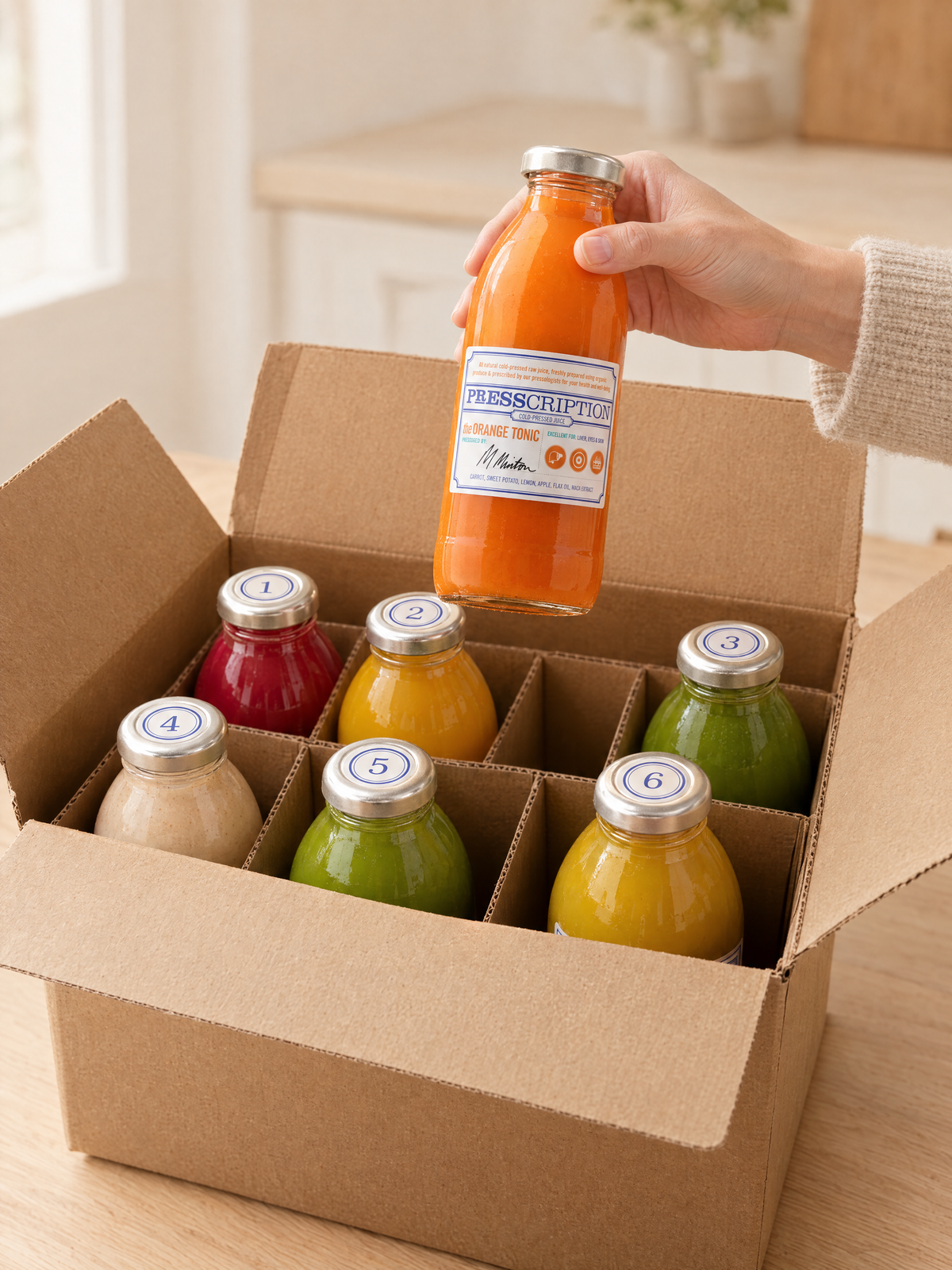
- Juice detoxes and cleanses: one or more days of cold-pressed juices, sometimes with shots, soups or a nut milk, in place of normal meals.
- Elimination plans: cutting out alcohol, sugar, caffeine or processed food for a set period.
- Colon cleanses: laxative teas, fibre powders, capsules or colonic irrigation.
- Liver "detox" products: supplements, teas or drinks sold as cleansing the liver.
What they share is the idea of a short, deliberate break from your usual habits. Where they differ is in what they claim to do, and that is where it pays to be clear.
How your liver and kidneys detoxify
Your body has its own detox system and it runs around the clock. According to the NHS, the liver has hundreds of jobs, including breaking down and removing harmful substances such as alcohol from the blood. It converts them into forms your body can get rid of, either through bile (and then your bowel) or through your blood to the kidneys.
Your kidneys, as the NHS explains, filter waste products and excess fluid out of your blood and turn them into urine. Your lungs breathe out carbon dioxide and your gut moves waste along and out.
The practical point is this: you cannot "flush" your liver or kidneys with a particular drink, but you can make their job easier. The NHS and the British Dietetic Association both point to the same everyday habits:
- Drinking enough fluid. The NHS suggests six to eight glasses a day.
- Keeping alcohol within the UK guideline of no more than 14 units a week, spread over three or more days, with several drink-free days.
- Eating plenty of vegetables, fruit, whole grains and fibre.
- Staying active and getting enough sleep.
What a juice detox realistically offers
A juice detox does not remove toxins by itself, and we will not pretend it does. What it does well is change, for a few days, what you are putting in and what you are leaving out.
- A break from alcohol. For many people this is the biggest change, and it gives your liver a few nights off.
- A break from caffeine. Cutting down or stopping for a few days can help you notice how much you rely on it.
- A break from ultra-processed food. No crisps, biscuits, ready meals or fizzy drinks for a few days, which often resets cravings and habits.
- Lots of vegetables. Our juices are around 80% vegetables, so a cleanse day can deliver more veg than many of us eat in a week.
- Plenty of fluid. Five or six juices plus water and herbal tea makes it easy to hit your fluid target.
- Structure. Everything is planned, so there are no decisions to make and nothing to snack on by default.
Weight loss? Many people do weigh less after a juice detox, because they are eating fewer calories than usual. Some of that early change is water, and how much you lose varies a lot from person to person. If weight loss is your goal, think of a juice detox as a kick-start to better habits rather than the whole plan; our Weight Loss Juice Cleanse is designed with that in mind.
Juice detox vs colon or liver "detox" products
This is where the search results get muddled, so it is worth separating them.
Colon cleanses usually rely on laxatives, high-dose fibre or colonic irrigation. Your bowel does not need to be "scraped clean", and there is little good evidence that colon cleansing improves health. Laxative products can cause cramping, diarrhoea and dehydration if overused. If you have ongoing bowel symptoms, speak to your GP or pharmacist rather than reaching for a cleanse.
Liver detox products are typically supplements or teas built around ingredients such as milk thistle or artichoke. Supplements are not a substitute for a varied diet, and some can interact with medicines, so check with a pharmacist or GP before taking them.
A juice detox is simply food: fruit and, in our case, mostly vegetables, cold-pressed into a drink. It works by what it replaces in your diet for a short time, not by pulling anything out of your body. That is a more modest claim, and a more honest one.
How to do a 1–3 day juice detox well
Pick the right length
If you have never done one, start with a single day. One to three days is plenty for most people. Our detox cleanse range covers one to five days and different levels, from beginner to advanced. If cutting back on sugar is your main aim, the Sugar Detox Cleanse is built around lower-sugar, green-heavy juices.
Prepare for two or three days beforehand
Ease off alcohol, caffeine and ultra-processed food in the days before, and lean towards vegetables, soups and simple meals. It makes the cleanse itself much easier, especially if you usually drink several coffees a day. Our guide on how to prepare for a juice cleanse has a day-by-day plan.
On the day
- Drink your juices in order, roughly every two to three hours.
- Drink water and herbal tea between juices.
- Keep exercise gentle: walking, stretching or yoga rather than a hard session.
- Expect to feel hungrier around normal mealtimes, especially on day one. If you feel unwell or dizzy, stop and eat something.
- Plan a quieter day if you can, and get to bed early.
Choose juice that is worth drinking
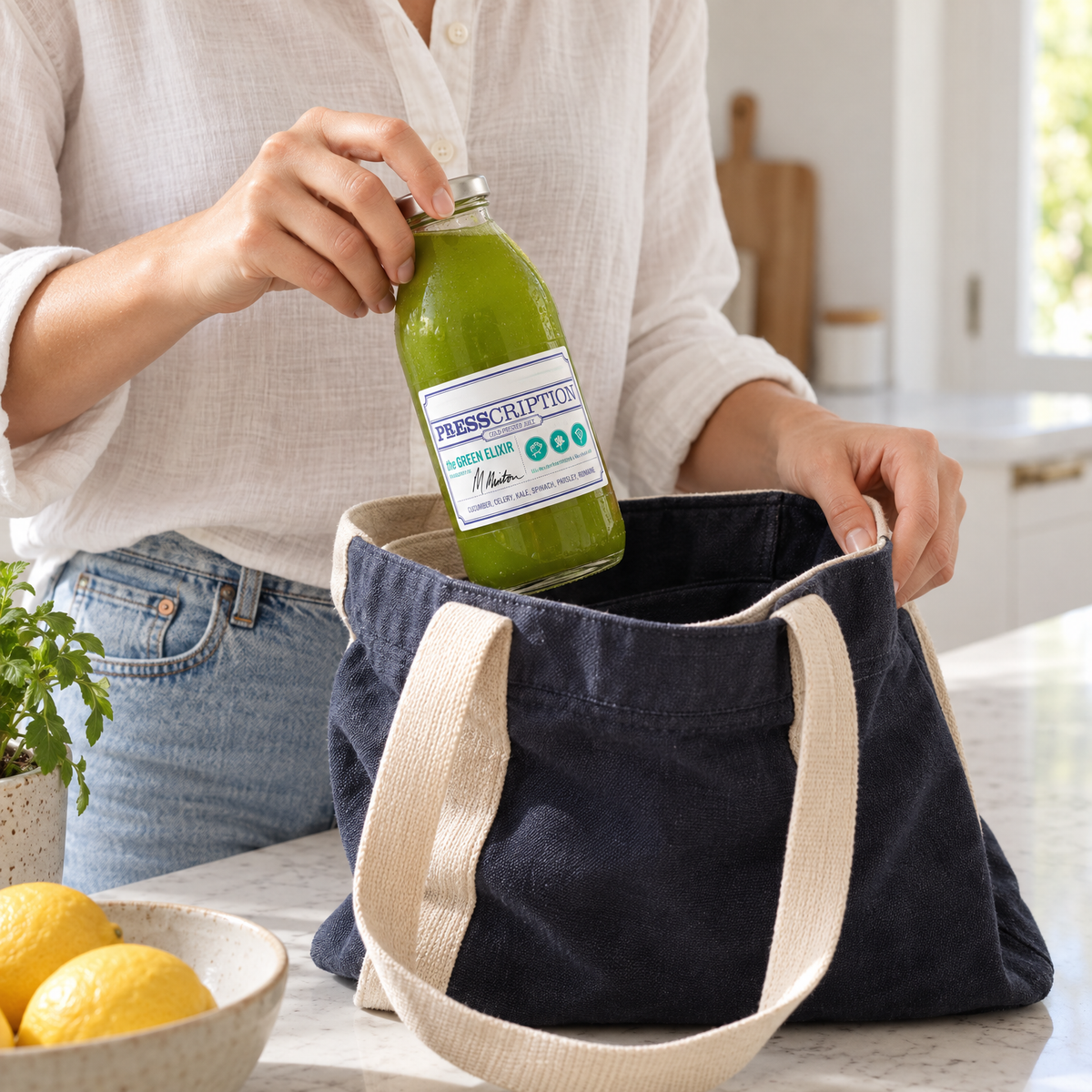
Every Presscription juice is cold-pressed, made fresh to order daily and never pasteurised, then bottled in glass. Our cleanses are designed by nutritionist Grace Kingswell, and we deliver the night before across London and nationwide across the UK.
What to eat after a juice detox
How you finish matters as much as how you start. Ease back in over a day or two with warm, soft, simple food: vegetable soup, porridge, eggs and cooked vegetables, in smaller portions than usual. Add lentils, whole grains, fish or tofu by day three, and wait a couple of days before bringing back alcohol. Our full plan is here: what to eat after a juice cleanse.
The real value comes from what you keep. Pick one habit to carry on, such as a daily green juice, an extra portion of veg at lunch or a couple more drink-free nights a week.
Who should check with a GP first
A short juice detox is not right for everyone. Speak to your GP before starting if you:
- are pregnant or breastfeeding;
- have diabetes or any condition affecting your blood sugar;
- have kidney or liver disease;
- take regular medication, particularly for blood pressure, blood sugar or blood thinning;
- have a history of disordered eating;
- are under 18.
If you are ever unsure, it is always better to ask first.
FAQs
Does a detox cleanse actually remove toxins?
Your liver and kidneys remove waste and harmful substances every day, and no juice or supplement does that job for them. A juice detox helps by giving you a break from alcohol, caffeine and ultra-processed food, while adding plenty of vegetables and fluid.
How long should a juice detox last?
One to three days is enough for most people. If you are new to it, start with a single day and see how you feel before trying a longer cleanse.
Will I lose weight on a juice detox?
Many people weigh less afterwards because they are eating fewer calories than usual, though some of that is water and results vary. It works best as a kick-start to longer-term habits.
Is a juice detox the same as a colon cleanse?
No. A colon cleanse usually uses laxatives, fibre supplements or irrigation. A juice detox is simply a few days of cold-pressed fruit and vegetable juices in place of normal meals.
Who should not do a juice detox?
Speak to your GP first if you are pregnant or breastfeeding, have diabetes, kidney or liver disease, take regular medication, have a history of disordered eating, or are under 18.