





Miso broth: how to make it, what is in it and how to drink it this winter

Quick answer
Miso broth is a light, savoury soup made by stirring miso (a fermented soybean paste) into hot stock, usually with mushrooms, ginger and greens. It takes about 15 minutes to make at home: simmer the stock, take it off the heat, then whisk in the miso so it never boils. Miso is salty, so keep portions sensible and count it towards the NHS limit of 6g of salt a day.
When the clocks go back and the evenings close in, a mug of something hot and savoury is hard to beat. Miso broth is one of the simplest winter warmers there is: a few ingredients, very little cooking and a deep, rounded flavour that makes it feel far more filling than it looks. Here is what miso actually is, how to make a good broth at home, what to watch on the salt front, and how to fit it into a soup or juice cleanse.
What is miso?
Miso is a Japanese paste made by fermenting soybeans with salt and koji (a cultured grain, usually rice or barley). The fermentation can run from a few weeks to a couple of years, and the length of time changes the colour, the strength and the saltiness of the finished paste.
- White miso (shiro): fermented for the shortest time. Pale, mild and slightly sweet. The easiest place to start, and the one most people use for broth.
- Yellow or barley miso (mugi): a middle ground, earthy and a little stronger. Barley miso contains gluten, so check the label if that matters to you.
- Red miso (aka): fermented for longest. Darker, punchier and usually saltier, so use less of it.
- Mixed miso (awase): a blend of white and red that works well in almost anything.
Miso soup in a Japanese restaurant is usually made with dashi, a stock that often includes fish flakes. A miso broth made with vegetable or mushroom stock, like ours, keeps the flavour plant-based.
How to make miso broth at home
This makes about four mugs. Grace Kingswell, our nutritionist, keeps it simple and lets the mushrooms and ginger do the work.
Ingredients
- 1 litre water or low-salt vegetable stock
- 150g mushrooms (shiitake, chestnut or a mix), sliced, or a small handful of dried shiitake
- A thumb of fresh ginger, sliced
- 2 garlic cloves, lightly crushed
- 2–3 tablespoons white miso (start with 2 and taste)
- 2 handfuls of greens: spinach, pak choi or shredded cabbage
- 2 spring onions, sliced, and a squeeze of lime to finish
- Optional: cubes of tofu, a little nori, or cooked noodles to make it a meal
Method
- Put the water or stock, mushrooms, ginger and garlic in a pan. Bring to a simmer and cook gently for 10 minutes.
- Add the greens (and tofu, if using) and cook for another 1–2 minutes until just wilted.
- Take the pan off the heat. Put the miso in a small bowl, add a ladle of the hot broth and whisk until smooth, then stir it back into the pan.
- Taste, add a little more miso if needed, then finish with spring onion and a squeeze of lime.
Why take it off the heat? Boiling miso dulls its flavour and aroma and can make it grainy. Stirring it in at the end keeps the broth clean-tasting and gives you more control over how salty it ends up.
Miso and salt: what to keep an eye on
Miso is a salted, fermented food, and that saltiness is part of its appeal. Many misos contain around 10g of salt per 100g or more, so a single tablespoon can add a gram or two of salt to your pan. Red miso tends to be saltier than white.
The NHS advises that adults eat no more than 6g of salt a day, about a teaspoon. A few simple habits help:
- Use a low-salt stock, or plain water with plenty of mushrooms and ginger for flavour.
- Add miso gradually and taste as you go rather than tipping in the full amount.
- Bulk the broth out with vegetables, so each mug is more filling for the same amount of miso.
- Check the label: on UK packs, more than 1.5g of salt per 100g counts as high.
If you have been advised to limit salt for any reason, speak to your GP or a dietitian before making miso broth a daily habit.
How to drink miso broth
Miso broth is best warm rather than piping hot. A few ways people enjoy it:
- As an evening wind-down: a mug after dinner in place of a sweet snack or a second glass of wine.
- As a light lunch: add tofu, greens and noodles and it becomes a proper bowl.
- Between meals in winter: something savoury and warm when cold juice does not appeal.
Miso broth on a soup or juice cleanse
A warm broth is one of the easiest ways to make a cleanse feel manageable in December and January. Savoury flavours make a nice break from a run of juices, and sipping something hot in the evening can make the day feel more like a normal routine.
Our Souper Cleanse combines soups and broths for the coldest months, and our soup cleanses pair warming soups with cold-pressed juices. If you are on a juice-only plan and fancy something warm, a mug of broth in the evening is a common swap. Our guide to soup delivery in the UK explains how our soups and broths get to you.
Homemade vs ready-made miso broth
Homemade broth is cheap and lets you control every ingredient. The trade-off is time, especially if you want a batch for several days or are planning a cleanse.
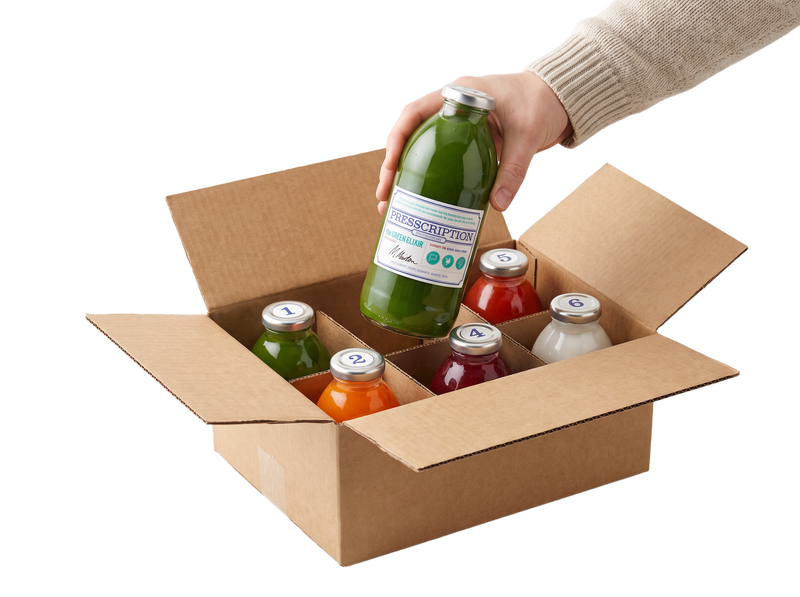
Our Miso Broth is designed by Grace Kingswell and made fresh to order, never pasteurised, and delivered in 500ml glass bottles. It is made with filtered water, courgette, onion, celery, miso, shiitake and brown mushrooms, ginger, garlic, lime, parsley, thyme and rock salt. It contains soya (from the miso) and celery.
- Keeping: about three days in the fridge. Want to freeze it? Add a note at checkout asking for plastic bottles instead of glass.
- Delivery: London night-before delivery and UK delivery. See all our soups and broths, or try a mix of six in the Soup Bundle.
FAQs
Is miso broth the same as miso soup?
They are very similar. Miso soup in Japanese cooking is usually made with dashi, which often contains fish. Miso broth is a looser term and is often made with vegetable or mushroom stock, which keeps it plant-based.
Can you drink miso broth every day?
Many people do, but miso is salty. Keep an eye on your total salt intake across the day: the NHS recommends adults have no more than 6g. Lower-salt stock and plenty of vegetables help.
Is miso vegan?
Miso paste itself is made from soybeans, salt and koji, so it is usually vegan. Ready-made miso soups can contain fish-based dashi, so check the ingredients. Our Miso Broth has no animal ingredients.
Can I have miso broth on a juice cleanse?
Yes, plenty of people add a warm broth to a juice cleanse in winter, often in the evening. If you would rather have it planned for you, our soup cleanses and the Souper Cleanse build soups and broths into each day.
How long does miso broth keep?
Homemade broth keeps for two to three days in a sealed container in the fridge. Our Miso Broth keeps for about three days in the fridge, and we can send it in plastic bottles if you want to freeze it.
Fancy a mug without the chopping? Order our Miso Broth, made fresh and delivered to your door, or make winter easier with the Souper Cleanse.