How To Lose Weight in 2 Weeks

Short answer: you can make a safe, real start on weight loss in two weeks by eating in a modest calorie deficit, filling up on vegetables, fibre and lean protein, cutting back on sugary drinks, ultra-processed snacks and alcohol, and adding regular exercise. How much you lose varies from person to person, and some early change is usually water rather than fat. Aim for habits you can keep, and talk to your GP before trying to lose weight rapidly.
Within a concentrated 14-day time frame, strategic diet and exercise changes can make a real start on weight loss. You can establish a consistent calorie deficit without losing muscle by using a combination of methods, such as juice cleanses, ketogenic or intermittent fasting regimes, balanced meal replacement, and targeted HIIT workouts. Power with high-fibre fruits, vegetables, lean protein and healthy fats to sustain energy, and steer clear of ultra-processed foods, sweet beverages and excessive booze that impede progress.
This guide covers eight evidence-based approaches, smart food choices and common pitfalls to help you make a safe, sustainable start over two weeks.
Is It Possible to Lose Weight in Just 2 Weeks?
Yes, you can make a meaningful start on losing weight in two weeks, provided one maintains a balance between intentional dietary adjustments and physical activity. How much you lose varies from person to person. This approach is designed to achieve a sustainable calorie deficit while ensuring nutritional balance alongside following safety standards.
Clinical evidence strongly supports short-term weight reduction programs. A systematic review by the Institute of Medicine published in the National Library of Medicine depicts that a moderate caloric restriction, in conjunction with an organised exercise program, is an effective way to reduce weight in healthy adults. The research involved patients who had implemented controlled dietary modification along with formal physical training, with repeated results in varied populations. The results confirm early weight loss, when well-regulated, as being attainable and appropriate.
A focused two-week period will be an excellent motivation for successful long-term weight control, building the foundation for habits that will translate into long-term success.
Losing weight quickly is not right for everyone. If you are pregnant or breastfeeding, have a medical condition or take regular medication, speak to your GP before starting a restrictive diet.
8 Proven Tips to Effectively Lose Weight in Just 2 Weeks
Weight loss in 14 days is about consistency and balance. Over the next two weeks, small reductions in calories, meal frequency, and intermittent periods of exercise can all be combined to support fat loss and enable you to lose weight in two weeks in a healthy and sustainable manner.
Below are the eight proven tips that will help you lose weight in just two weeks:
1. Short Juice Cleanses
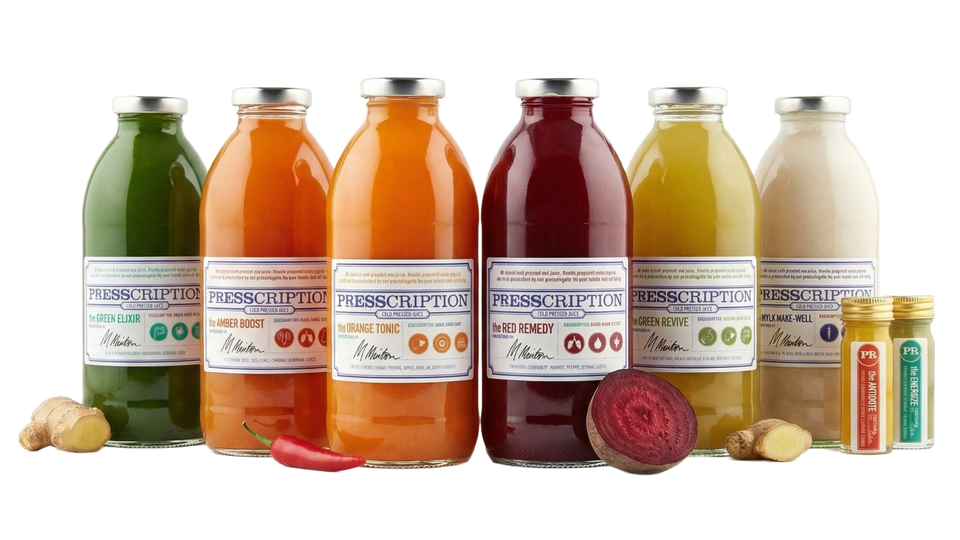
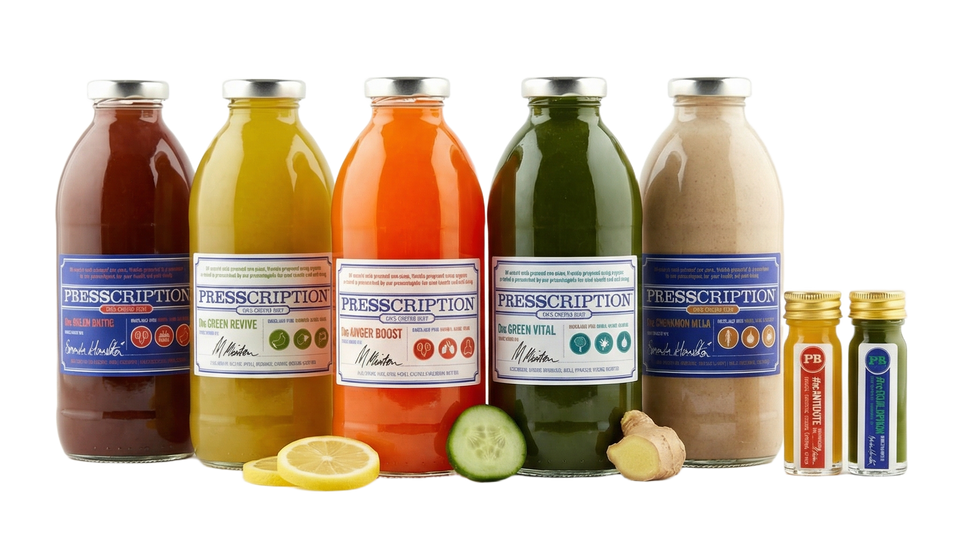
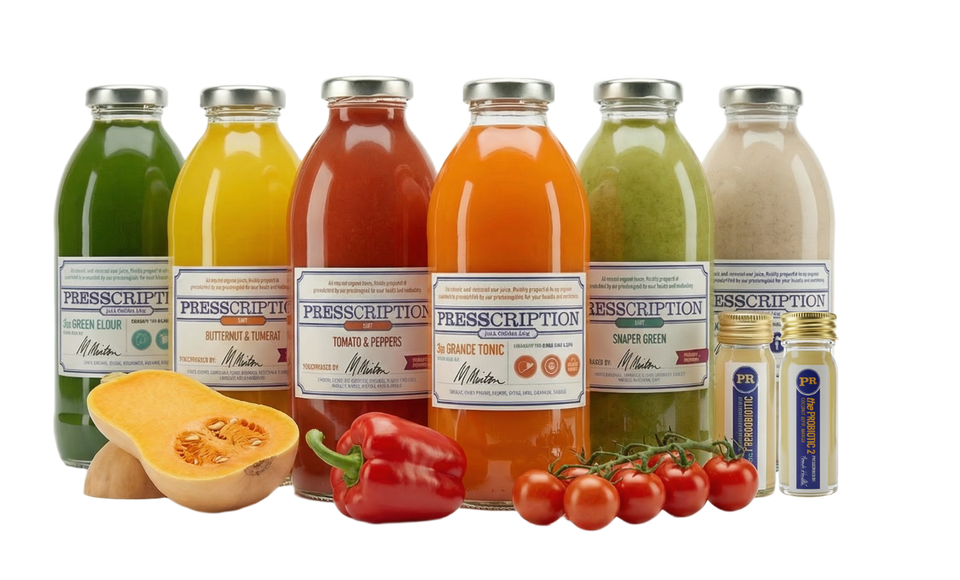
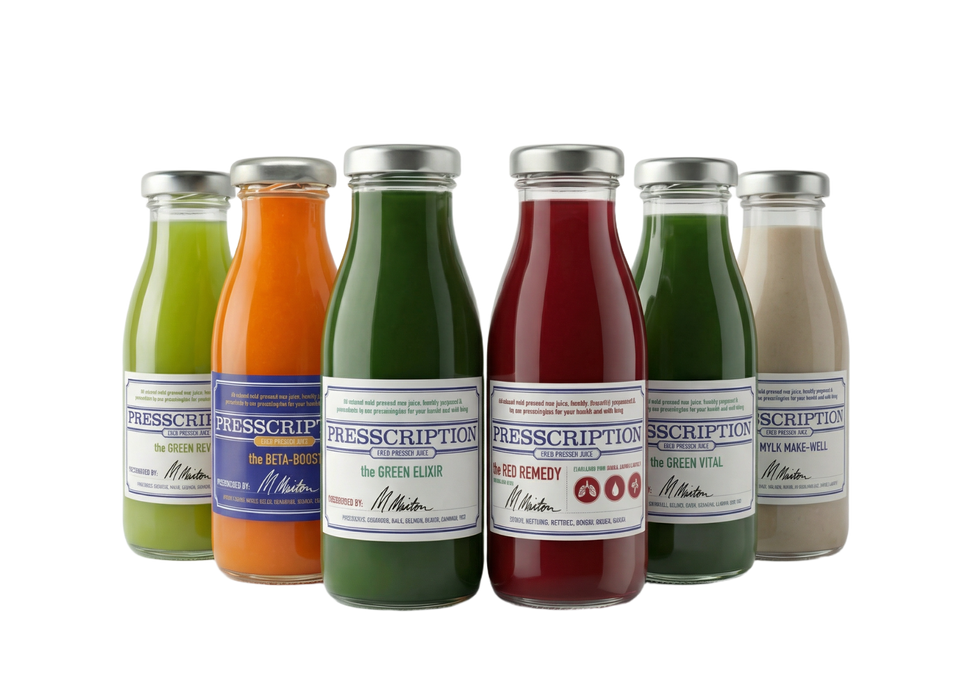
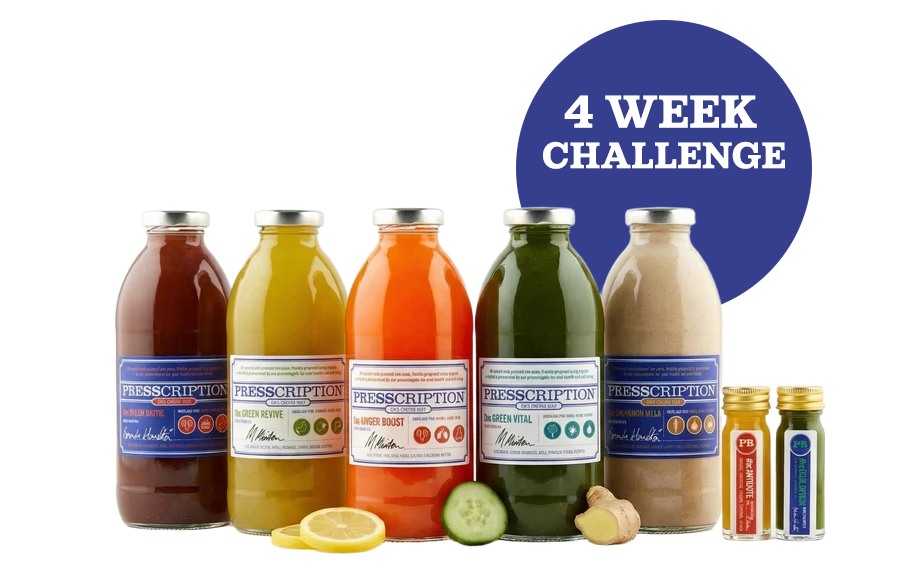
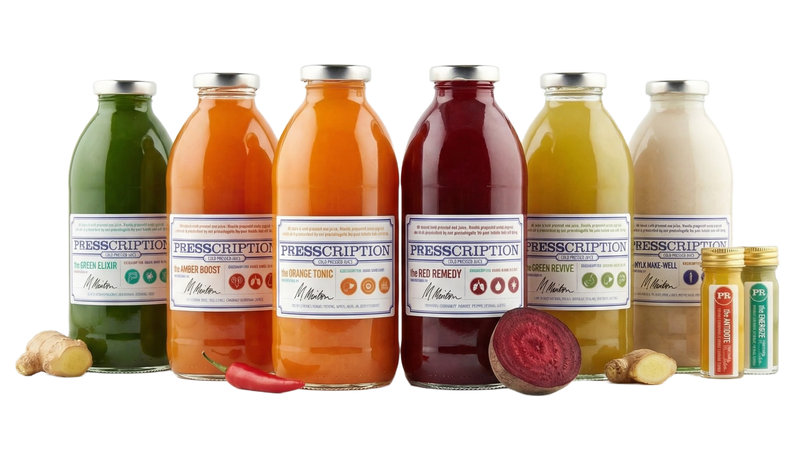
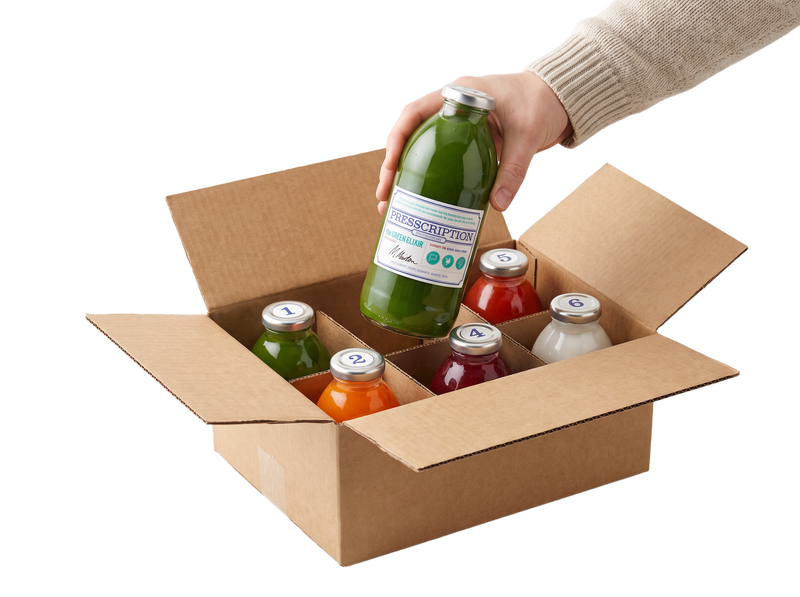
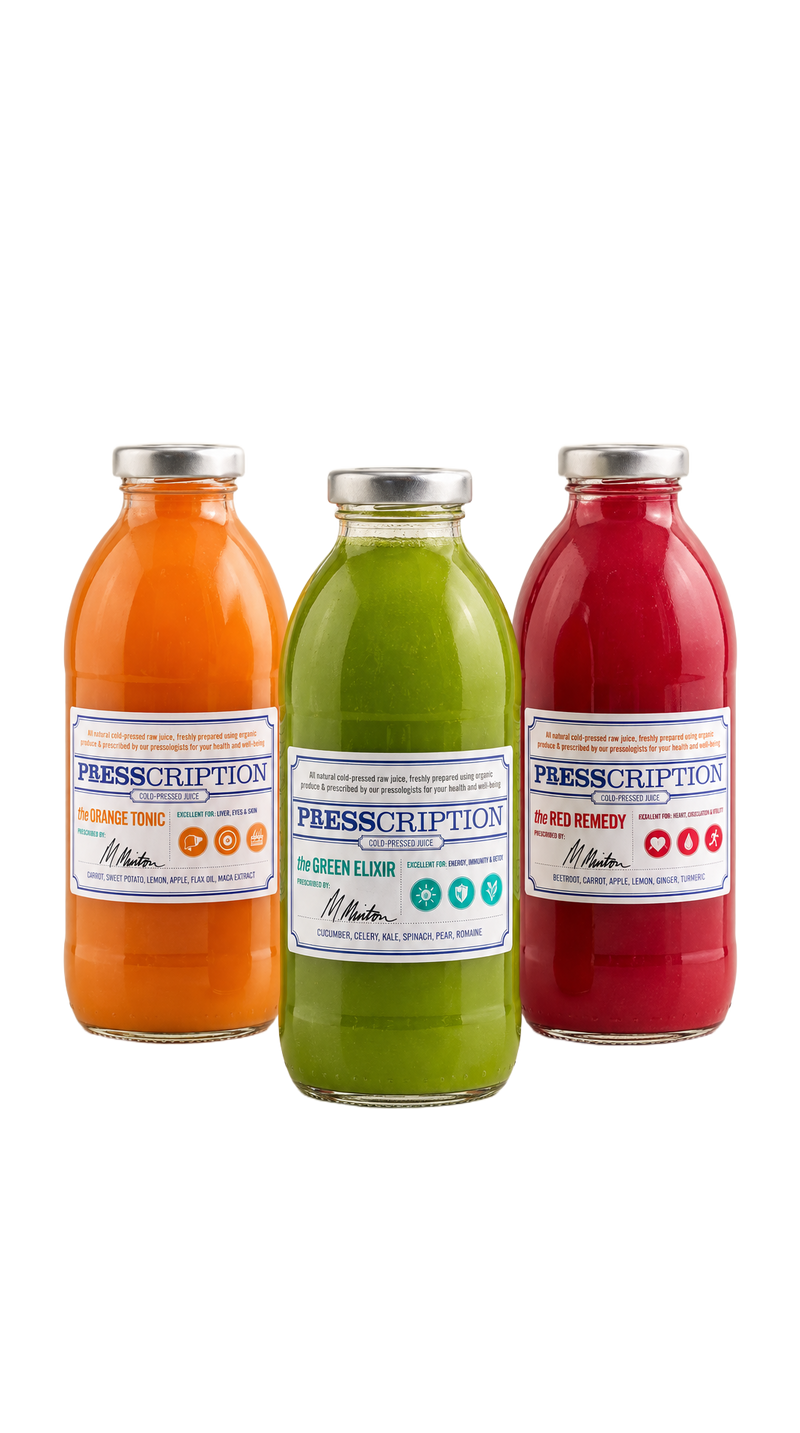
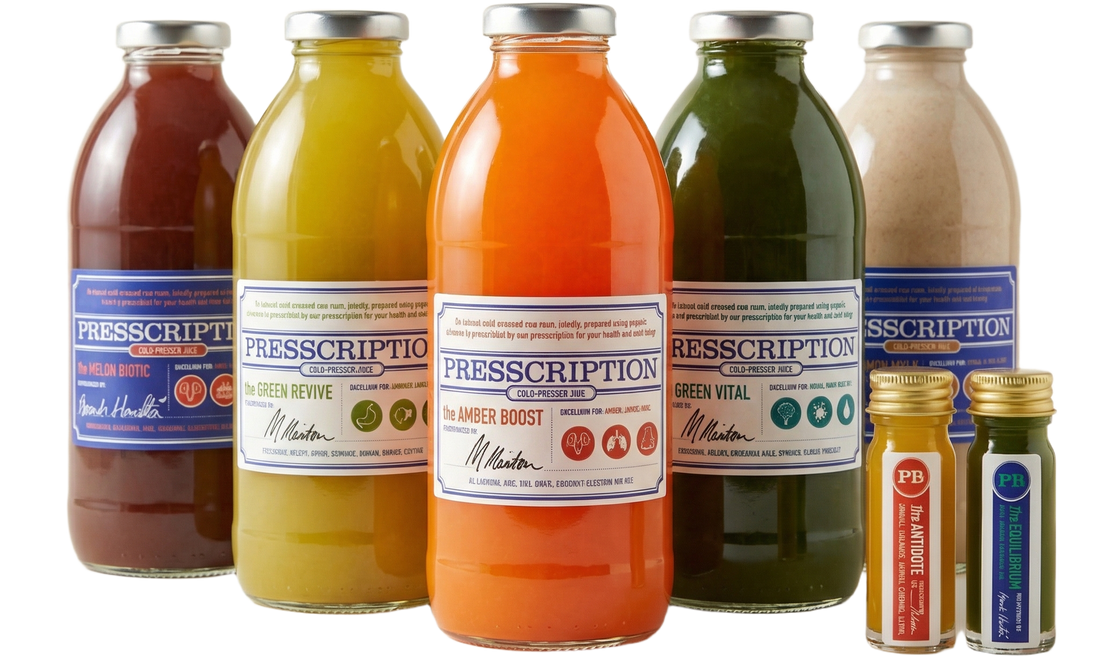
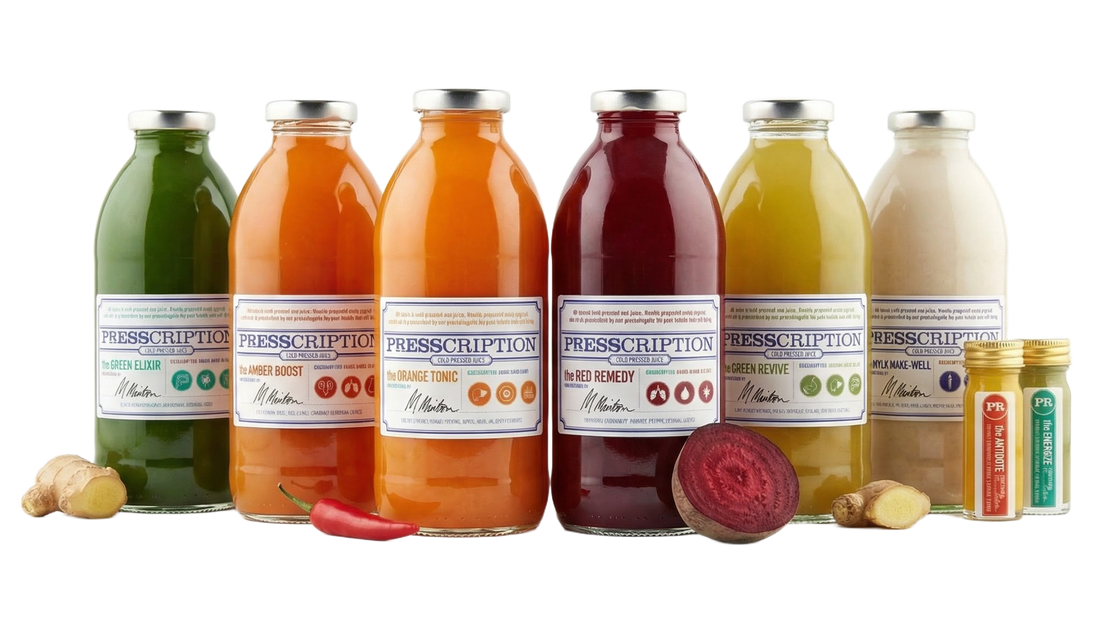
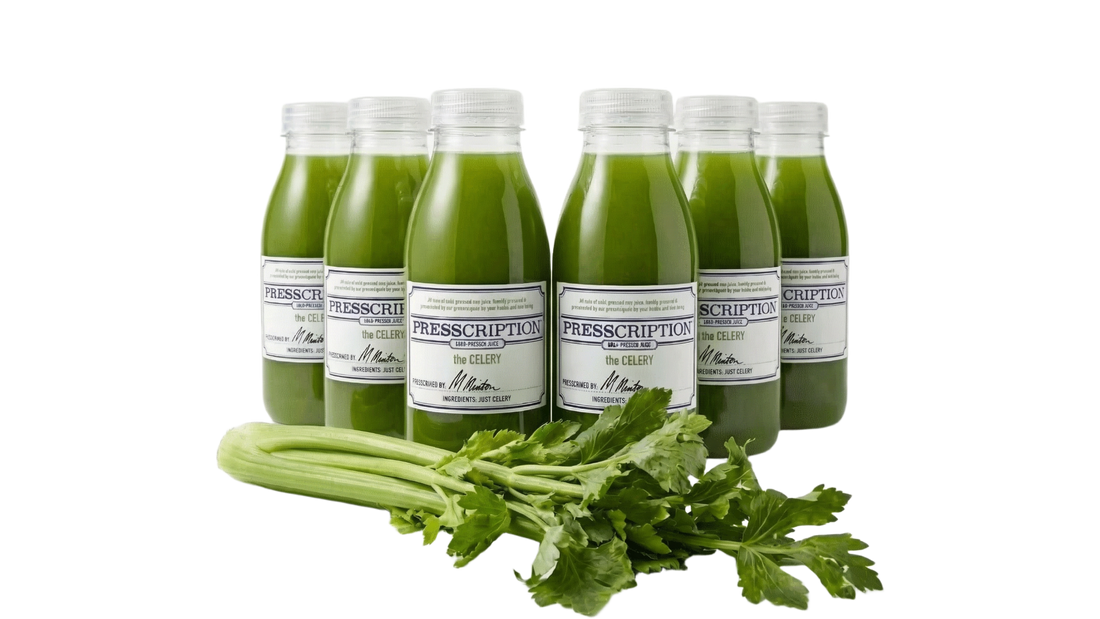
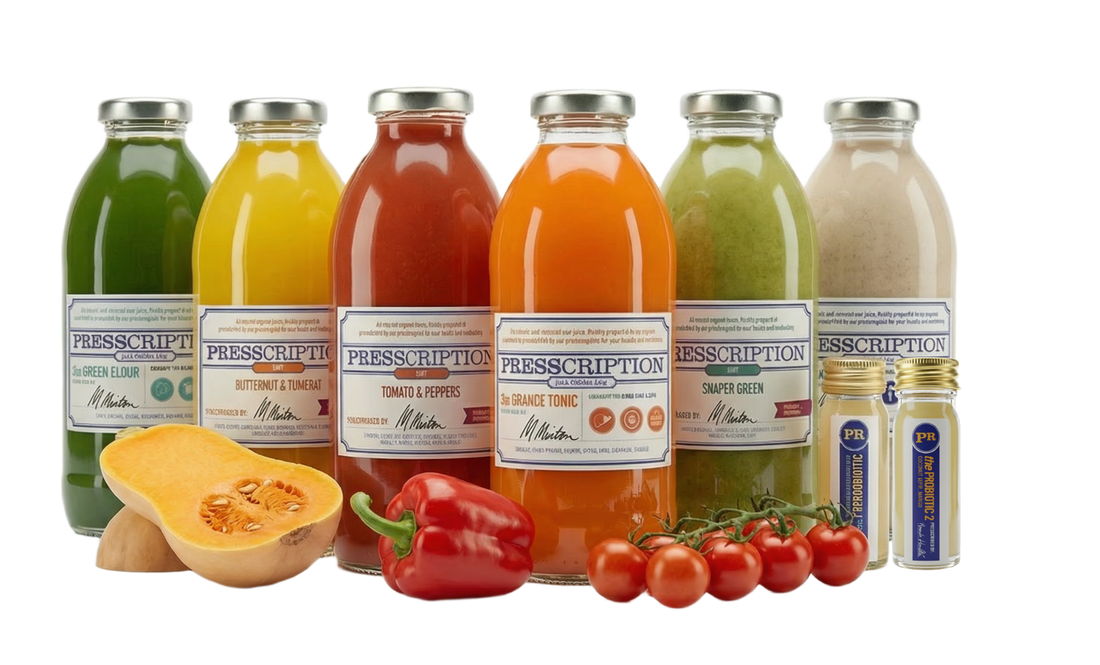
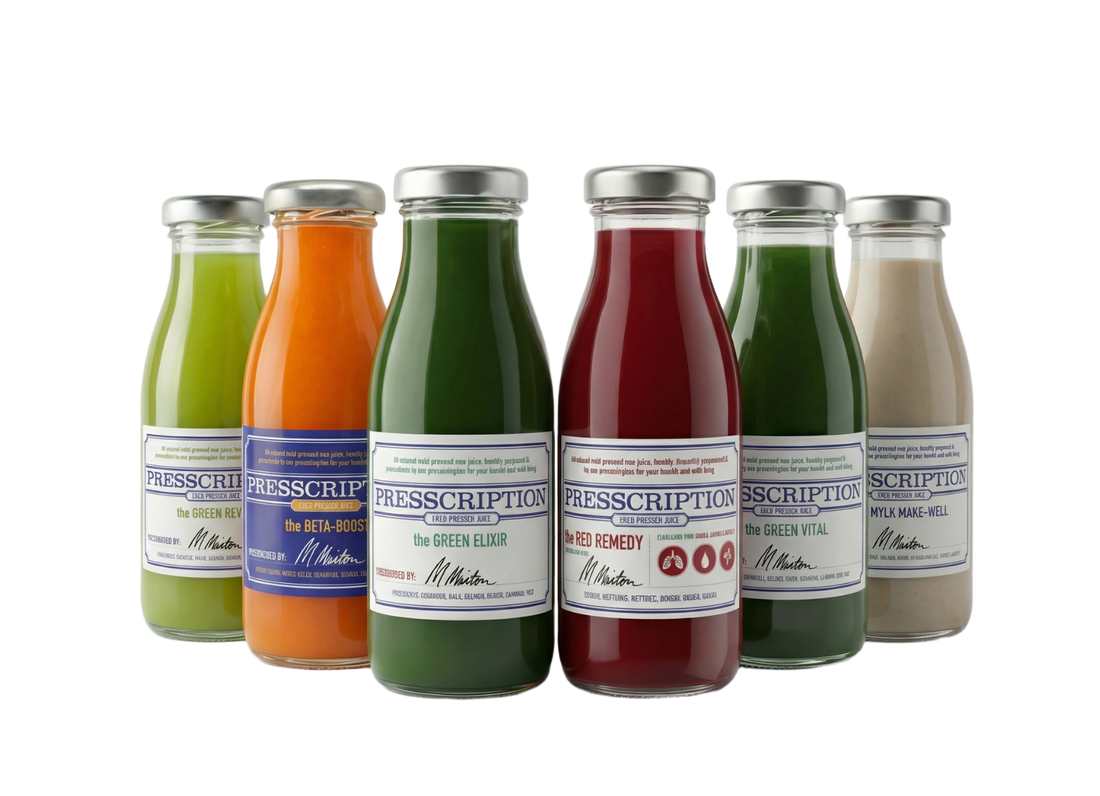
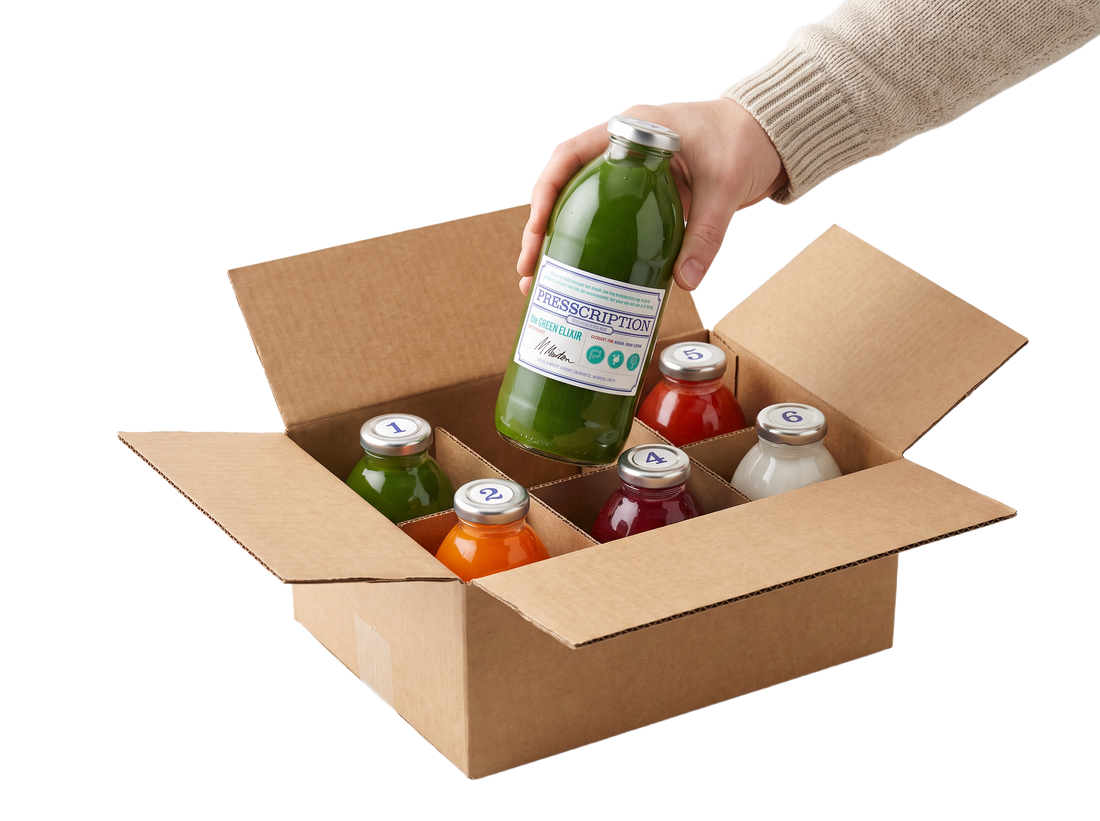
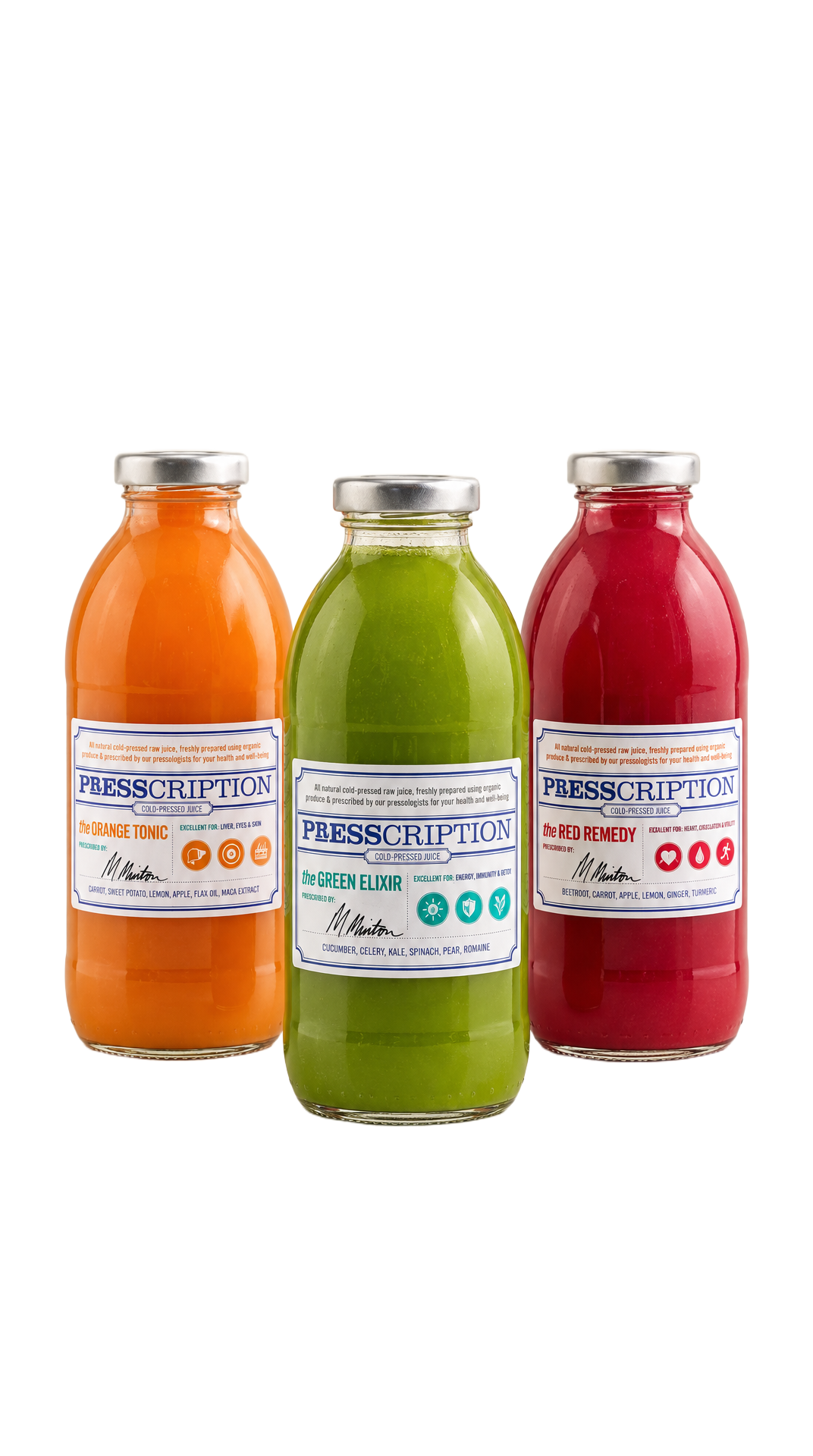
Juice cleanses can support weight loss by reducing calorie intake for a few days while still providing vitamins, minerals and plant compounds from fresh fruit and vegetables. Choose veg-led juices to keep sugar lower (ours are around 80% vegetables to 20% fruit), and use the cleanse as a reset that makes room for more nutrient-rich foods instead of added sugars in your diet afterwards. If you would like a structured option, our Weight Loss Juice Cleanse (from £185) is one way to do this; treat it as an option to support your plan, not a guaranteed result.
2. Ketogenic Diet & Fat Adaptation
The ketogenic approach turns the body's primary fuel source from glucose to ketones by restricting carbohydrate intake to below 50 grams daily. This metabolic condition, ketosis, forces the body to oxidise stored fat to generate energy. According to Kalyan R. Uppaluri from Campbell University et al., people on ketogenic diets lost more weight than those on low-fat diets in short-term studies.
3. Intermittent Fasting & Water Diets
Time-restricted feeding diets, like the trendy 16:8 diet (16 hours of fasting, 8 hours of feeding), naturally cut total caloric consumption without keeping track of precise calories. Strategic water intake during fasting time brings additional benefits, mainly by suppressing appetite and metabolic assistance.
Based on a study by Michelle Harvie from the University Hospital of South Manchester NHS Foundation Trust, Manchester, et al., intermittent fasting (like 16:8) naturally reduces calories without counting them. Studies show intermittent energy restriction (IER) is as effective as continuous calorie restriction (CER) for weight loss and maintenance over months, but with mixed long-term adherence.
4. High-Protein Meal Replacements
Replacing one or two daily meals with high-protein shakes provides a controlled caloric deficit of 300-500 calories without compromising lean muscle mass. In a meta-analysis of randomised controlled trials by Yijia Zhang from the School of Public Health, Indiana University, USA, et al., it was found that high-protein meal replacements significantly reduce body weight, BMI, and fat mass compared to controls, supporting their efficacy and safety for weight loss.
5. Low-Carb & Elimination Diets
Eliminating added sugars and grains helps avoid the blood sugar spikes and dips that drive cravings. In a controlled clinical trial by Wende Tian from the China Academy of Chinese Medical Sciences et al., low-carbohydrate diets reduced weight in adults living with overweight or obesity.
6. HIIT Workouts & Metabolic Training
High-intensity interval training (HIIT) alternates short, maximum-effort bursts with recovery, burning up to 15 kcal per minute, twice as much as jogging. A six-session, two-week HIIT regimen increased VO₂ max by 12 per cent in young adults. Supplement three HIIT sessions with daily brisk walking to supercharge your 14-day weight-loss plan.
7. Meal Prep & Calorie Cycling
Meal pre-planning facilitates accurate portioning and macronutrient management, minimising overeating. Calorie cycling, such that alternate days see low-calorie days (~800 kcal) and higher-calorie days (~1,500 kcal), avoids metabolic adaptation and sustains hunger suppression. It could be as effective at fat loss as chronic calorie restriction, but with improved compliance and less hunger. Very low-calorie days are not suitable for everyone, so check with your GP first.
8. Supplement Stacks & Thermogenics
Certain natural supplements like caffeine, green tea extract, and capsaicin may slightly raise calorie burn. Their effect is small, and supplements should never replace a healthy lifestyle.
Knowing various approaches to lose weight is not enough. It’s always best to partner your proven approaches with the best foods to fuel your two-week weight loss journey.
Best Foods to Fuel Your 2-Week Weight-Loss Plan

Choosing the correct food keeps you satisfied, energised and on the path to weight loss over the next 2 weeks. During the next fortnight, opt for foods that keep you full, provide energy, and minimise calories.
Below are six powerhouse categories to include in your diet, supported by clinical evidence and expert opinion.
Fibre-Rich Foods
Both soluble and insoluble fibre slow gastric emptying, making us feel fuller. Oats provide approximately 6 g of fibre per 40 g serving, and lentils as much as 8 g per 100 g cooked. According to Frank M. Sacks from Harvard TH Chan School of Public Health, Boston, MA, USA, et al., dietary fibre intake, independently of macronutrient and caloric intake, promotes weight loss and dietary adherence in adults with overweight or obesity consuming a calorie-restricted diet.
Fruits & Vegetables
Vegetables and fruits are packed with vitamins, minerals and plant compounds. They are low in calories and high in water, making them filling despite their low calorie content. Adding 200 grams of vegetables to your daily diet can suppress snacking and lead to weight reduction by decreasing total calorie consumption. Leafy greens, berries, and cruciferous vegetables should be the primary choices to support long-term energy and appetite management during weight reduction.
Water
Drinking around 500 ml of water before a meal can help you feel fuller, so you may naturally eat a little less. Water consumption on a daily basis, preferably before meals, curbs appetite. Hydration is a simple but effective measure to complement your 14-day weight-loss plan.
Juice Cleanses
Short-term juice cleanses can deliver vitamins and minerals for relatively few calories, making them a structured way to reset your habits. Keep juice-only phases short. Once the cleansing is complete, return to balanced, protein-rich meals to preserve lean muscle and keep your weight loss going.
Healthy Fats
Monounsaturated fats (olive oil, avocado) and medium-chain triglycerides (coconut oil) provide sustained energy. Adding small servings of good fats can enhance nutrient absorption and satisfy hunger, making it simpler to maintain your calorie intake.
Lean Proteins
Lean proteins like chicken breast, fish, and tofu contain 20 to 25 grams of good protein per 100 grams, which is needed to maintain muscle mass when weight loss is achieved. Boosting protein to around 1.5 grams per kilogram of body weight daily helps you feel full and hold on to muscle while you lose fat. Distributing protein evenly during meals reduces hunger and supports long-lasting energy and muscle conservation.
By incorporating these nutrient-dense foods into your chosen eating habits, you'll give your body just the fuel it needs to maintain energy levels and suppress cravings. This is preparation for success both during and beyond your two-week weight-loss regimen.
Foods That Will Sabotage Your Weight Loss
Some foods directly sabotage weight loss by driving cravings and overeating. Ultra-processed snack foods correlate with greater calorie intake, leading to unhealthy overconsumption habits. Cutting out sweet drinks could save around 200 calories per day.
As reported by K. D. Hall from the National Institute of Diabetes and Digestive and Kidney Diseases, USA, et al., a controlled trial demonstrated that an ultra-processed diet led people to eat around 500 more calories a day than an unprocessed diet, eventually leading to weight gain. Processed snacks and sweet drinks are easy to overeat and leave you hungry again soon after.
Key Takeaways

Consistent, sustainable changes make the biggest difference, even over 14 days. Emphasise lean protein, high-fibre vegetables and consistent hydration to silence hunger on fewer calories. Combine high-intensity training with active-rest days, and utilise plate-based portion control to streamline tracking. Try calorie cycling or a short juice cleanse as a reset if progress stalls.
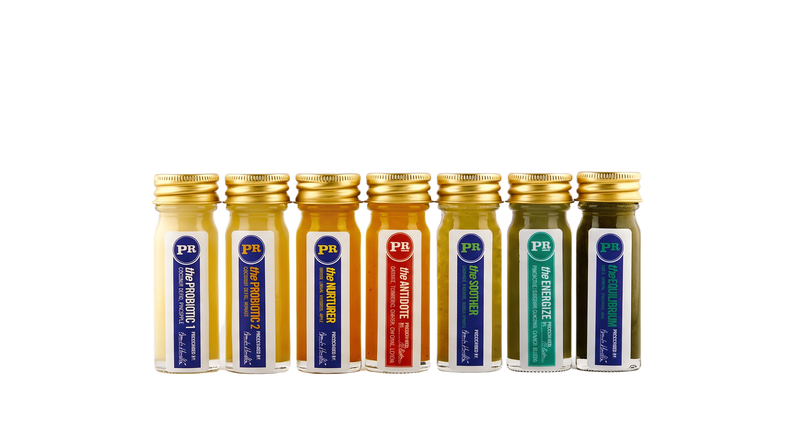
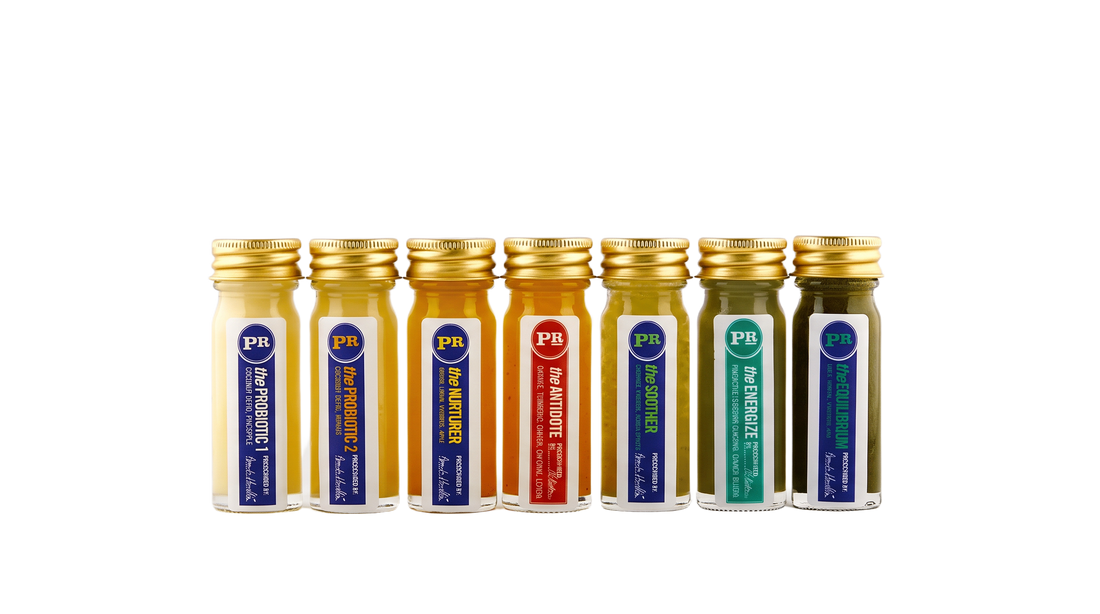
Once you've reached your goal, shift into maintenance with continued meal prep, strategic carb days and monthly check-ins. For custom guidance, meal plans, health shots, and juice cleanses, subscribe to Presscription and maintain your momentum in the long term.
Frequently Asked Questions
How much weight can you lose in 2 weeks?
It varies from person to person, depending on your starting point, diet and activity. Some early change is usually water rather than fat, so focus on steady, sustainable habits rather than a target number, and speak to your GP if you want to lose weight rapidly.
Is it safe to lose weight in 2 weeks?
For most healthy adults, a modest calorie deficit with balanced, nutrient-rich food and regular exercise is a sensible approach. Very low-calorie diets are not suitable for everyone; if you are pregnant or breastfeeding, have a medical condition or take regular medication, check with your GP first.
Can a juice cleanse help you lose weight in 2 weeks?
A short juice cleanse can be a structured way to reduce calories for a few days and reset your habits. Keep juice-only phases short and return to balanced, protein-rich meals afterwards. Results vary.
What foods should you avoid when trying to lose weight?
Sugary drinks, ultra-processed snacks and excessive alcohol are easy to overconsume and can leave you hungry again soon after. Prioritise vegetables, fibre-rich foods, lean protein and water instead.